How Often Should You Get a Dental Check-up and Cleaning?
Every 6 months is the common average, but the right interval depends on your gums and teeth. Here is what happens in the visit and how to care for your teeth afterwards.
Read article
Teeth whitening supervised by a dentist is safe for most adults and does not harm enamel when the right strength and timing are used. There are two main approaches: in-clinic whitening, which usually gives faster results in a single visit, and at-home whitening with custom trays and a milder gel over about two weeks. Results typically last from several months to a few years, depending on your habits.
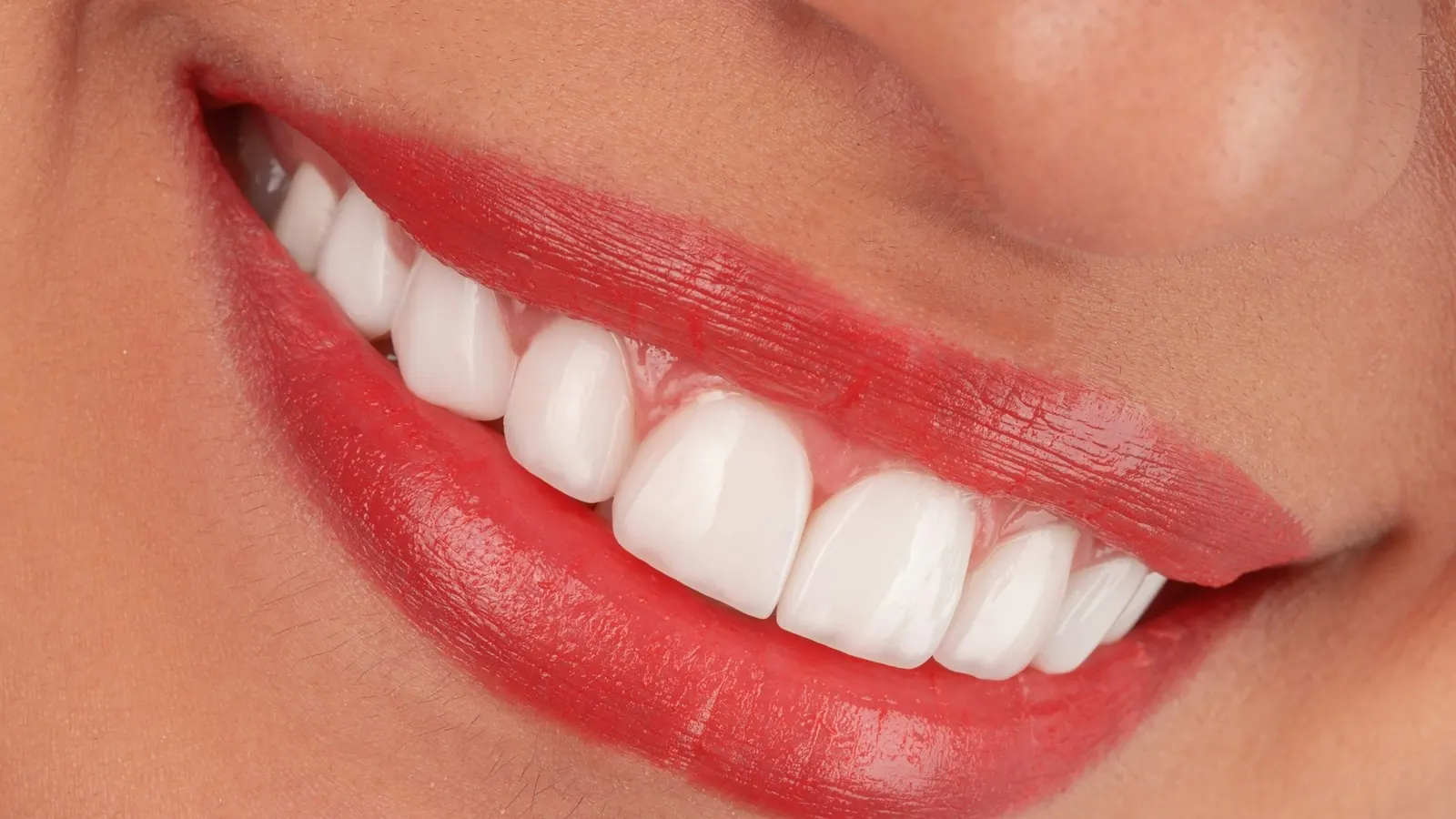
Approved whitening products are based on hydrogen peroxide or an ingredient that breaks down into it. It passes into the inner layers of the tooth and breaks down the coloured molecules, so the tooth becomes lighter from within rather than just losing surface stains.
Whitening only changes the colour of natural teeth. White fillings, crowns and veneers do not change shade, so your dentist will plan to replace them after whitening if a noticeable mismatch appears.
Both work well under a dentist's supervision. The choice depends on your time, the degree of staining and how sensitive your teeth are.
Available research indicates that whitening at the strength and duration set by a dentist does not cause meaningful damage to enamel. Harm usually comes from overuse: whitening too often, using products of unknown origin, or acidic or abrasive home remedies such as lemon, baking soda and charcoal powder.
The most common side effect is temporary sensitivity to cold and heat, sometimes with mild gum irritation. It appears during the whitening days and usually settles within a few days afterwards. It can be eased with a sensitivity toothpaste, a fluoride product recommended by your dentist, or by shortening daily wear time.
Your dentist needs to examine your teeth before any whitening, because some situations need treatment first or will not benefit:
Whitening is not permanent; teeth gradually pick up colour again over time. Results usually last from about 6 months to 3 years, and less with frequent coffee, tea and smoking.
Arabic coffee and tea are part of daily life and you do not have to give them up, but a few habits make a real difference:
Whitening does not need anaesthetic, but some people feel sensitivity or mild twinges during and after it. This is usually temporary, and your dentist can ease it by adjusting the timing or using desensitising products.
Results vary with your natural tooth colour and the cause of the staining. Yellowish stains usually respond better than greyish ones, and your dentist can give you a realistic expectation after examining you.
It is usually better to wait until fixed braces come off, because the areas under the brackets will not change colour. With clear aligners, your dentist may discuss options that suit your case.
Yes. Many people prefer to have the clinic session or wear their trays after iftar. Take care with coffee and tea in the first hours after whitening.
Before starting any whitening, even home products, it is wise to have a check-up to rule out decay and gum inflammation and to find out why your teeth have changed colour. See a dentist promptly if a single tooth suddenly darkens, which can point to a problem with its nerve, or if you have severe sensitivity or pain lasting more than a few days after whitening, or gum irritation that does not improve. You can book a consultation at Medical Care Clinics, where our dental team will assess the shade of your teeth and its cause and suggest the option that suits you best.
This article is general health education and does not replace a medical examination. Every case needs its own assessment by a doctor.
Every 6 months is the common average, but the right interval depends on your gums and teeth. Here is what happens in the visit and how to care for your teeth afterwards.
Read articleA Hollywood smile is not one treatment but a plan to enhance the front teeth, usually with veneers. Here are the differences between the options and what to know before you decide.
Read articleAn implant is an artificial root placed in the jawbone to hold a new tooth. Learn the stages, how long it takes, who it suits and how to keep it for many years.
Read article