How Often Should You Get a Dental Check-up and Cleaning?
Every 6 months is the common average, but the right interval depends on your gums and teeth. Here is what happens in the visit and how to care for your teeth afterwards.
Read article
"Hollywood smile" is a popular name for a smile makeover in which the visible front teeth are covered with thin shells called veneers to change their colour, shape and alignment. There are three main options: porcelain veneers, composite veneers, and ultra-thin veneers known by the brand name Lumineers. Each has advantages and limits, and the right choice comes after examining your teeth and gums and discussing your expectations with your dentist.
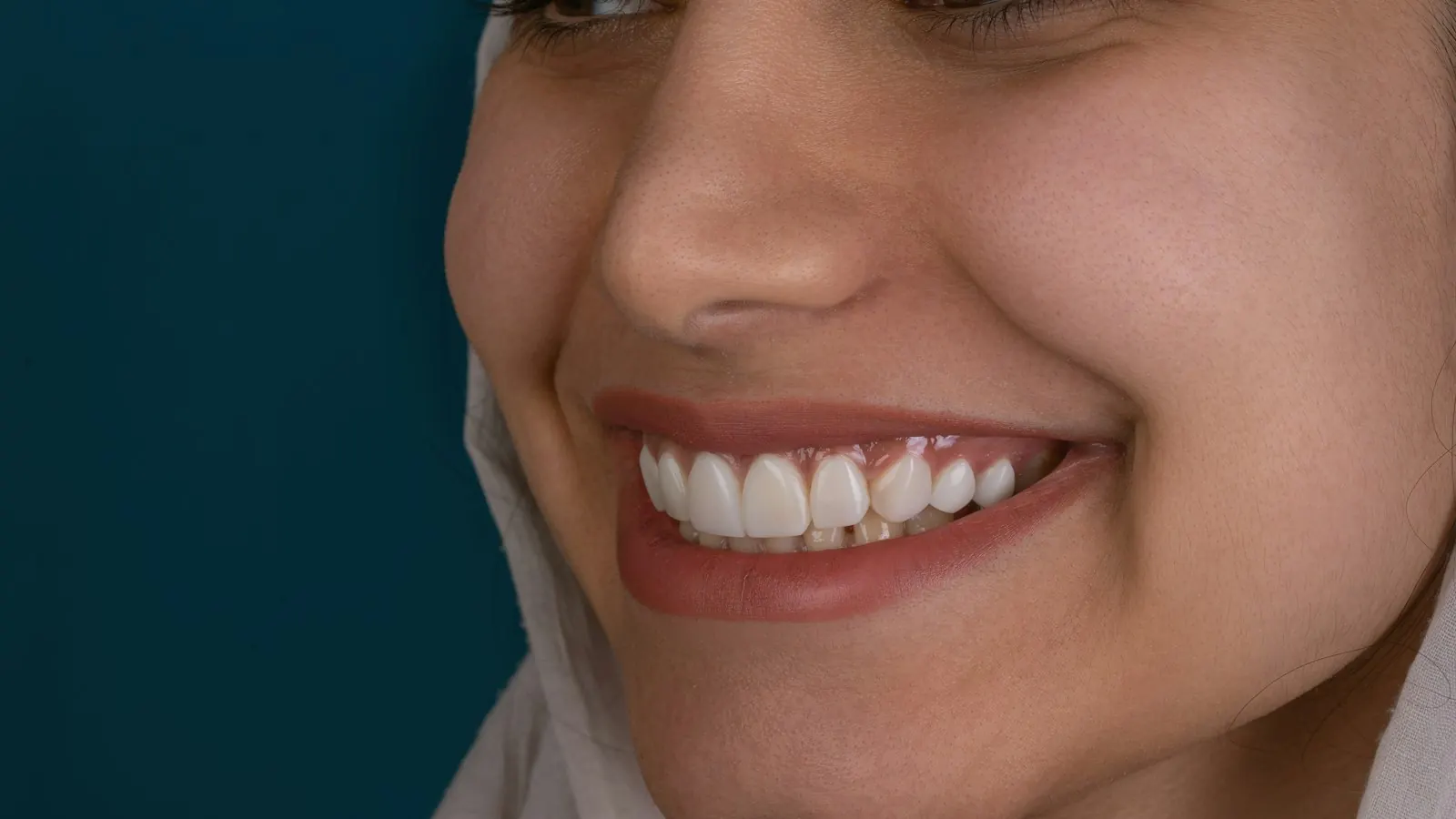
It is a cosmetic plan, not a specific material. The dentist designs the shape and shade of your new smile to suit your face, lips and gums, then bonds veneers to the teeth that show when you smile, usually between 6 and 10 upper teeth, and sometimes the lower teeth too.
Veneers are used for stains that do not respond to whitening, chipped or worn edges, small gaps, and minor differences in shape or size. Clearly crooked teeth may need orthodontic treatment first.
The main differences are the material, how much tooth preparation is needed, and expected lifespan:
Steps vary by type, but porcelain veneers usually involve these stages over 2–3 visits within about one to three weeks:
A good candidate is an adult with healthy gums and enough enamel who wants a change that whitening or simple fillings cannot achieve. Remember that preparing teeth for porcelain cannot be undone; the tooth will always need a covering afterwards.
Your dentist may delay treatment or suggest an alternative in these cases: untreated gum disease or decay, severe night-time grinding without a night guard, severe crowding that needs orthodontics, and teenagers whose teeth and gums are still developing. Pregnant women usually postpone non-urgent cosmetic procedures until after delivery.
Treat veneers like natural teeth: brush twice a day with a non-abrasive toothpaste, clean between your teeth daily and keep up regular check-ups and cleanings. Avoid biting hard objects such as ice, nut shells and fingernails, or opening packets with your teeth, and wear a night guard if your dentist recommends one.
A good result is a natural smile that suits your face, not teeth so white they draw uncomfortable attention. Over-white shades can look artificial, so your dentist will help you choose a balanced one. Veneers may need repair or replacement after some years, and the gums around them need ongoing care.
With porcelain veneers, usually only a thin layer of surface enamel is removed, much less than for a crown. Composite veneers and Lumineers may need very little or no preparation, depending on the case.
Preparation is done under local anaesthetic, and some people feel mild sensitivity to hot and cold for a few days afterwards. Composite veneers without preparation often need no anaesthetic at all.
No. Whitening products do not change the colour of porcelain or composite. Composite veneers can be polished or resurfaced, while porcelain keeps its colour well but is replaced if damaged.
Mostly yes, while avoiding biting very hard foods directly with your front teeth. Composite stains more than porcelain with coffee and tea, so rinse with water afterwards.
If you are unhappy with the colour, shape or gaps of your front teeth, or have chipped or worn edges, start with an assessment before choosing any type of veneer. If you already have veneers, see a dentist if they feel loose or chip, their edges darken, or the gums around them become sore or bleed. You can book a consultation at Medical Care Clinics, where our dental team will examine your teeth and gums and explain the suitable options and realistic outcomes clearly.
This article is general health education and does not replace a medical examination. Every case needs its own assessment by a doctor.
Every 6 months is the common average, but the right interval depends on your gums and teeth. Here is what happens in the visit and how to care for your teeth afterwards.
Read articleWhitening supervised by a dentist is safe for most people when used correctly. Learn your options, what sensitivity to expect and how to keep your results.
Read articleAn implant is an artificial root placed in the jawbone to hold a new tooth. Learn the stages, how long it takes, who it suits and how to keep it for many years.
Read article