Laser Hair Removal: How It Works and How Many Sessions
How many laser sessions will you need, and is it right for your skin? A practical guide to preparation, aftercare, side effects and when to wait.
Read article
Daily sunscreen is one of the most effective ways to prevent sunburn, pigmentation, melasma, premature skin ageing and skin cancer. Dermatologists generally recommend a broad-spectrum sunscreen with SPF 30 or higher, applied generously and reapplied about every two hours when outdoors. In Saudi Arabia, sunny for most of the year, this is a daily necessity rather than a summer-only habit.
Two main types of ultraviolet light reach the skin: UVB, mainly responsible for sunburn, and UVA, which penetrates deeper, causes pigmentation and skin ageing, and passes through window glass.
The SPF number measures protection against UVB, while UVA protection is shown by the words broad spectrum or by the PA rating, where more plus signs (PA++++) mean higher protection. Choose a sunscreen that offers both: SPF 30 or higher and broad-spectrum protection, ideally SPF 50 if you spend long hours outdoors or have melasma.
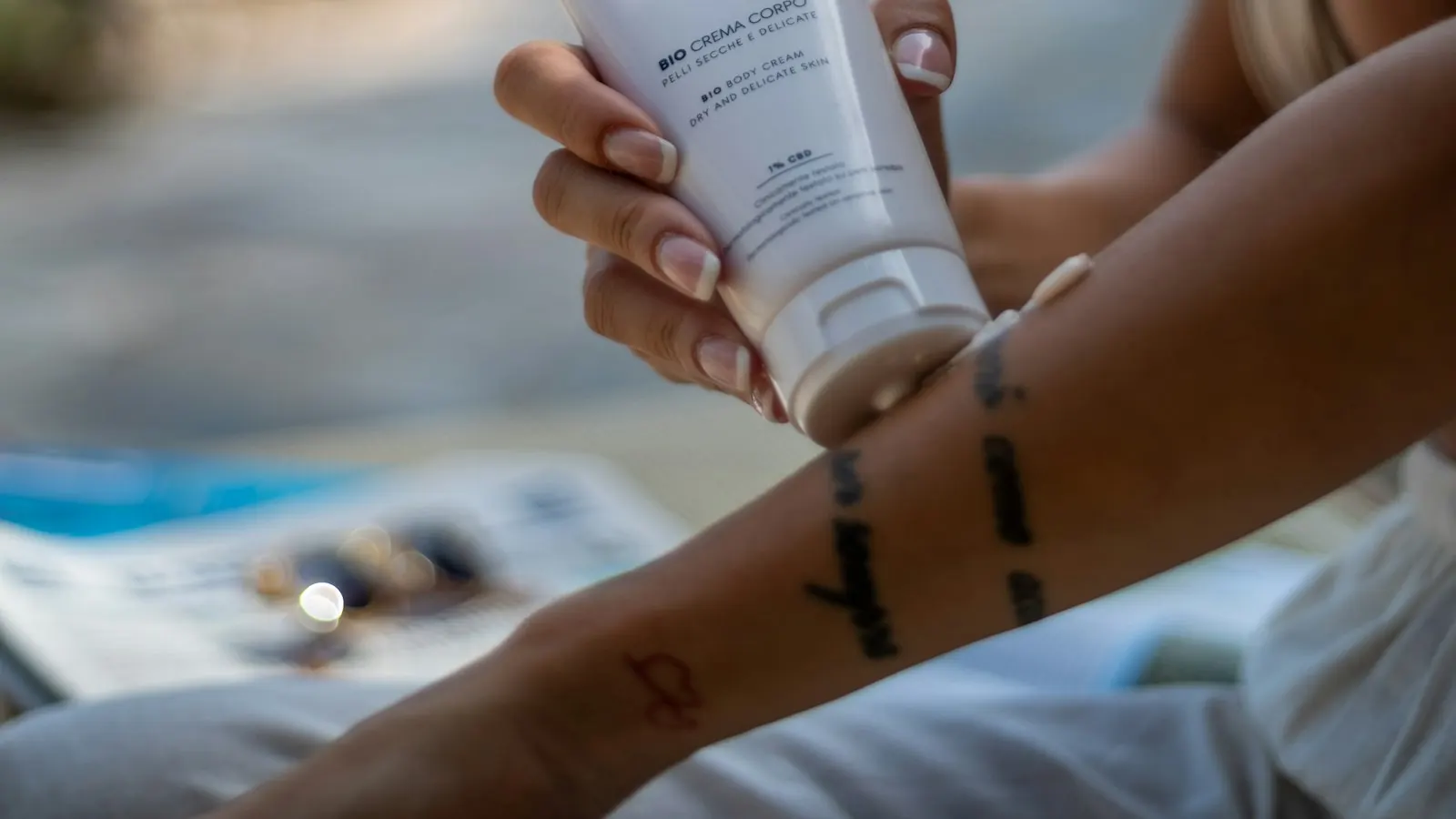
The most common mistake is using too little, which lowers real protection well below the number on the bottle. To get the protection you need:
Mineral sunscreens use zinc oxide or titanium dioxide to reflect and scatter UV light. They often suit sensitive skin and children but may leave a white cast. Chemical sunscreens absorb UV light and are usually lighter and easier to spread. Both work well when used in the right amount, and the best sunscreen is the one you are comfortable using every day.
For oily or acne-prone skin, choose a gel or light fluid labelled non-comedogenic or oil-free. People with melasma benefit from a tinted sunscreen containing iron oxides, because it also protects against visible light.
UVA passes through car and window glass, so if you spend long periods near a sunny window or drive for long stretches every day, sunscreen helps even indoors. Some drivers notice more pigmentation or changes on the side of the face nearest the window.
If you work in an office away from windows all day, a morning application is usually enough, with reapplication before going out around midday.
Babies under 6 months should be protected with shade, clothing and hats and kept out of direct sun; sunscreen should only be used on them with a doctor's advice. From 6 months, a children's sunscreen can be used, preferably a mineral one, reapplied during outdoor play or swimming, while keeping them out of the peak sun hours as much as possible.
Several common beliefs lead people to skip protection. The most widespread are:
Some heavy or oily sunscreens can worsen breakouts in acne-prone skin. Choose a light, non-comedogenic product and cleanse your face well at the end of the day.
You can use a sunscreen spray, powder or stick with SPF to top up during the day, keeping in mind that these complement a generous morning layer rather than replace it.
It is usually enough if you stay indoors away from windows. When you go out, sweat or sit near windows, reapply about every two hours.
Yes. Sun protection is important in pregnancy because melasma tends to worsen, and many doctors prefer mineral sunscreens during this time. Talk to your doctor if you have sensitive skin or allergies.
See a dermatologist if you have severe sunburn with blisters or fever, a new mole or a mole that changes in shape, colour or size or bleeds, a spot that does not heal, pigmentation that keeps increasing despite protection, or a rash or reaction to sunscreens. You can book a consultation at Medical Care Clinics in Dammam, where our dermatology team will examine your skin and help you choose the right protection for it.
This article is general health education and does not replace a medical examination. Every case needs its own assessment by a doctor.
How many laser sessions will you need, and is it right for your skin? A practical guide to preparation, aftercare, side effects and when to wait.
Read articleBotox relaxes muscles while filler restores volume. Learn how they differ, how long each lasts and how to choose the right doctor.
Read articleAcne is treatable, but the right treatment differs between mild, moderate and severe acne. Learn the options and when a doctor is needed.
Read article