Laser Hair Removal: How It Works and How Many Sessions
How many laser sessions will you need, and is it right for your skin? A practical guide to preparation, aftercare, side effects and when to wait.
Read article
Acne is a common, treatable skin condition, and the right treatment depends on how severe it is. Mild acne often improves with over-the-counter topical products and a simple daily routine, while moderate and severe acne usually need treatment prescribed by a dermatologist. Most treatments take 6 to 12 weeks to show results, so patience and consistency are part of the plan.
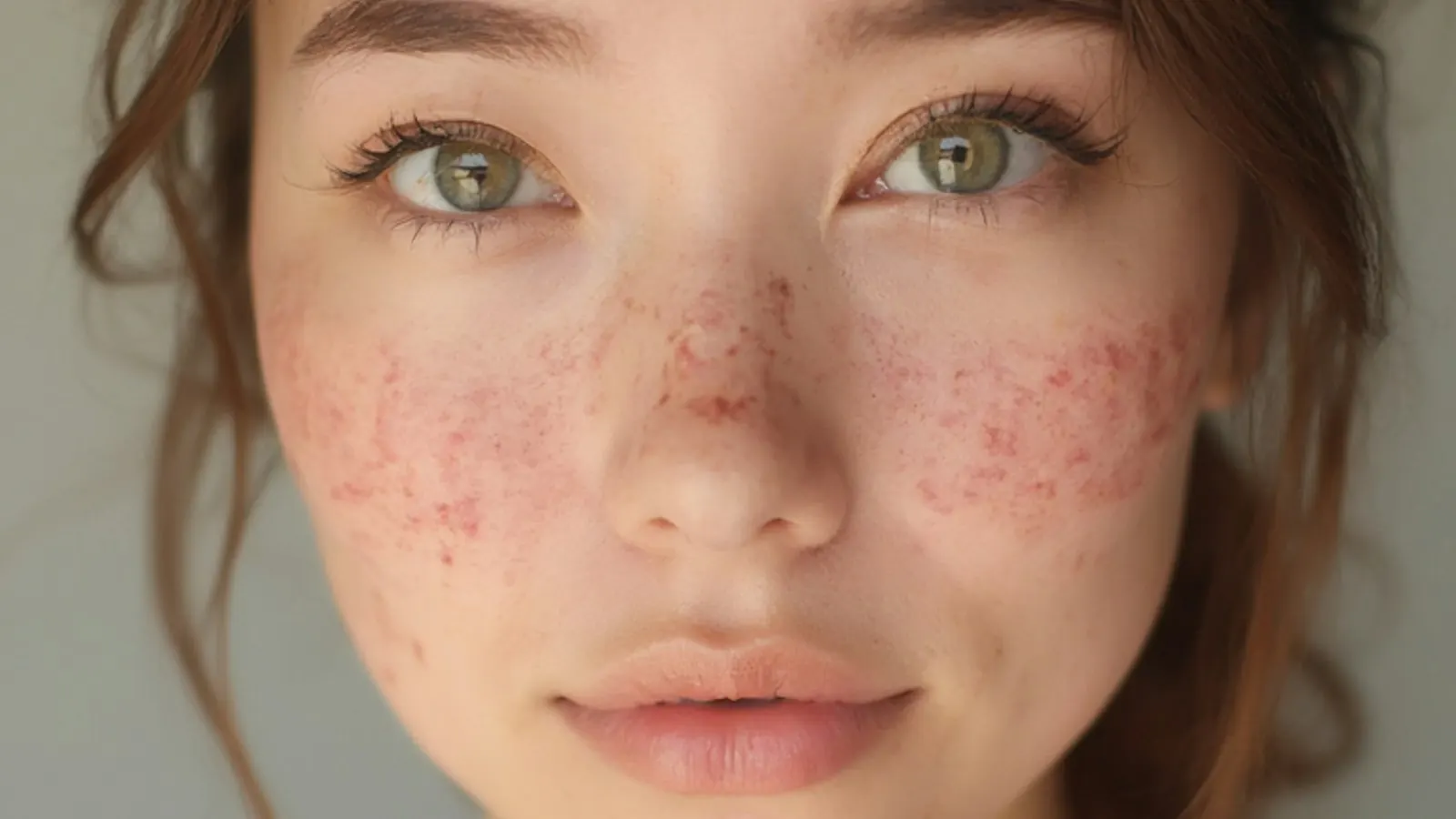
Acne starts when pores become clogged with a mix of dead skin cells and the oil produced by sebaceous glands. Bacteria that normally live on the skin multiply inside the blocked pore and cause inflammation. That is why breakouts tend to appear on the face, chest and back, where oil glands are most numerous.
Several factors make acne more likely: hormonal changes during the teenage years and before periods, genetics, some medicines, and heavy cosmetics that block pores. Diet plays a smaller role than many people think; some research suggests high-sugar foods and certain dairy products may worsen acne in some people only, and this varies from person to person.
Dermatologists usually grade acne into three levels, and knowing the level is the first step in choosing treatment:
One person can have several types of spots at the same time, and an accurate grade is made during an examination.
For mild acne, you can start with products that contain well-studied active ingredients, such as:
Start with one product and apply a thin layer to the whole area, not just to individual spots. Expect mild redness or flaking in the first weeks, which usually settles. If you are pregnant or breastfeeding, check with your doctor before using any acne treatment, especially vitamin A derivatives.
If your skin has not improved after about 2 to 3 months of regular use, or if your acne is moderate or severe from the start, it is time to see a dermatologist. Depending on your case, options may include:
Isotretinoin is very effective for severe acne, but it requires close medical supervision and regular blood tests, and it causes serious birth defects, so pregnancy must be avoided during treatment and for a period afterwards set by the doctor. All of these medicines need a doctor's prescription, and the doctor decides the type and duration. Never use medicine prescribed for someone else.
Treatment works best alongside habits that protect the skin from irritation and keep pores clear. Hot, humid weather increases sweating and oil, so wash your face after being outdoors or exercising, and choose light, gel-based products.
Many people improve after their teenage years, but acne can persist or even start after 20, especially in women. Leaving moderate or severe acne untreated increases the risk of permanent scarring.
There is no strong evidence that greasy food itself causes acne, but some people notice more breakouts with high-sugar foods or dairy. Watch how your skin responds, but do not rely on diet alone as treatment.
Some treatments, especially retinoids, can cause dryness, irritation or a temporary flare at first. If irritation is severe or lasts more than a few weeks, see your doctor so the plan can be adjusted.
Yes, but only with selected options, because some medicines such as retinoids, isotretinoin and certain antibiotics must be avoided in pregnancy. Talk to your doctor before using any product.
See a dermatologist if you have deep, painful nodules or cysts, if spots are leaving scars or dark marks, if your skin has not improved after 2 to 3 months of regular treatment, if acne appears suddenly with irregular periods or excess hair growth, or if it is affecting your confidence and mood. You can book a consultation at Medical Care Clinics in Dammam, where our dermatology team will assess your skin and suggest a treatment plan that suits you.
This article is general health education and does not replace a medical examination. Every case needs its own assessment by a doctor.
How many laser sessions will you need, and is it right for your skin? A practical guide to preparation, aftercare, side effects and when to wait.
Read articleBotox relaxes muscles while filler restores volume. Learn how they differ, how long each lasts and how to choose the right doctor.
Read articleMelasma is one of the most common skin concerns in sunny climates. Learn how it differs from other pigmentation, how it is treated, and how to reduce relapse.
Read article