Laser Hair Removal: How It Works and How Many Sessions
How many laser sessions will you need, and is it right for your skin? A practical guide to preparation, aftercare, side effects and when to wait.
Read article
Botox and fillers are both cosmetic injections, but they work in different ways. Botox relaxes specific muscles to soften wrinkles that appear with movement, such as forehead lines, while filler fills hollows and restores volume, for example deep lines around the mouth or in the lips. Doctors often use the two together for a balanced result.
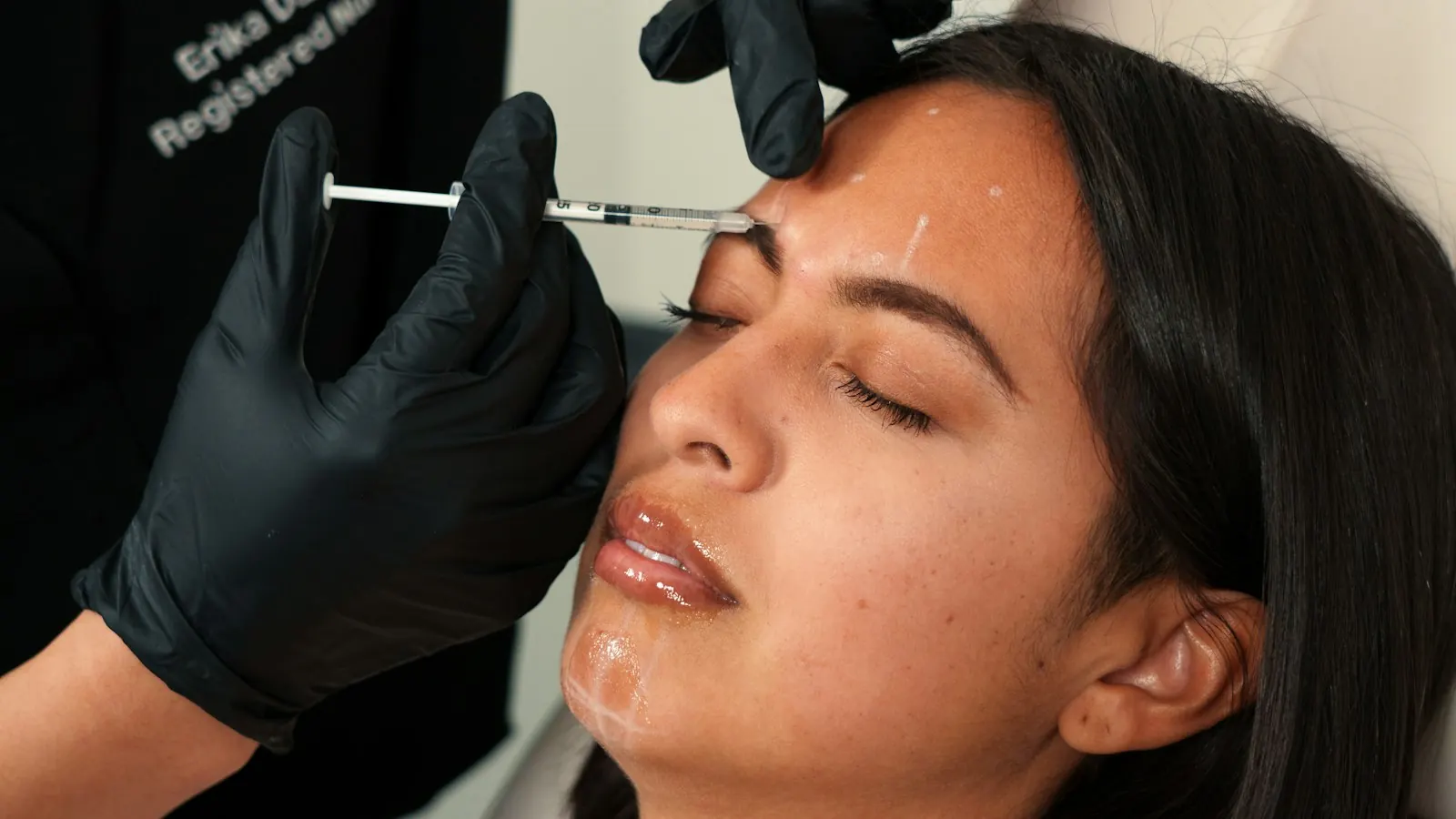
Botox is a well-known brand name for botulinum toxin, a purified medicine injected in very small amounts into specific muscles. It temporarily blocks the nerve signal to the muscle so it relaxes, and wrinkles caused by repeated movement smooth out. Common treatment areas include:
It also has medical uses, such as treating excessive underarm sweating, which require their own assessment by a doctor.
Most fillers used today are made of hyaluronic acid, a substance found naturally in the skin that attracts water and gives fullness. Filler is injected under the skin to soften deep lines or restore volume the face loses with age, and one advantage is that it can be dissolved with a special enzyme if needed. Common areas include:
Botox starts to work within about 2 to 5 days, reaches its full effect in around two weeks, and usually lasts 3 to 6 months before movement gradually returns. Filler results are almost immediate and usually last 6 to 18 months depending on the product and area; filler in the lips, for example, breaks down faster than in the cheeks.
Duration varies from person to person with age, metabolism, sun exposure and lifestyle. The fact that results are temporary is also an advantage, because the plan can be adjusted over time.
Neither usually requires time off work, and most people return to normal activities the same day. After Botox you are usually advised not to rub the area or lie down for a few hours, and to avoid strenuous exercise for the first day. After filler, swelling or bruising can last several days, especially in the lips.
Cosmetic injections are medical procedures, not ordinary beauty services. Choose a licensed doctor trained in dermatology or aesthetics who knows facial anatomy well, uses products approved by the Saudi Food and Drug Authority, and can manage complications if they occur.
Yes, and this is common. Botox treats wrinkles caused by movement, while filler treats volume loss and static lines, so they complement each other. Your doctor may do both in one session or over two sessions, depending on the area and your goals.
Neither is recommended during pregnancy or breastfeeding, or when there is an infection in the area, and people with neuromuscular disorders, bleeding disorders or autoimmune conditions need a specific assessment before treatment.
It is a purified medicine used in very small, carefully measured doses, with a long history of medical use. It is generally safe when injected by a qualified doctor using an approved product.
Not usually with appropriate amounts; the aim is to soften wrinkles while keeping natural expression. A frozen look usually comes from too much product or poor placement.
As filler breaks down, the face gradually returns to how it would have looked with natural ageing; with moderate amounts, stopping does not usually cause sagging.
Two to four weeks before is usually advised, so Botox reaches its full effect and any filler swelling or bruising settles, with time left for adjustments.
Seek medical help immediately if you develop severe pain, whitening or bluish discolouration of the skin, or any change in vision after filler. After Botox, if you notice difficulty swallowing, breathing or speaking, or general weakness, go to the emergency department. Increasing swelling, or redness with heat, also needs prompt assessment. If you are considering either treatment, you can book a consultation at Medical Care Clinics, where our dermatology and aesthetics team will assess your face and discuss the option that best fits your goals.
This article is general health education and does not replace a medical examination. Every case needs its own assessment by a doctor.
How many laser sessions will you need, and is it right for your skin? A practical guide to preparation, aftercare, side effects and when to wait.
Read articleAcne is treatable, but the right treatment differs between mild, moderate and severe acne. Learn the options and when a doctor is needed.
Read articleMelasma is one of the most common skin concerns in sunny climates. Learn how it differs from other pigmentation, how it is treated, and how to reduce relapse.
Read article