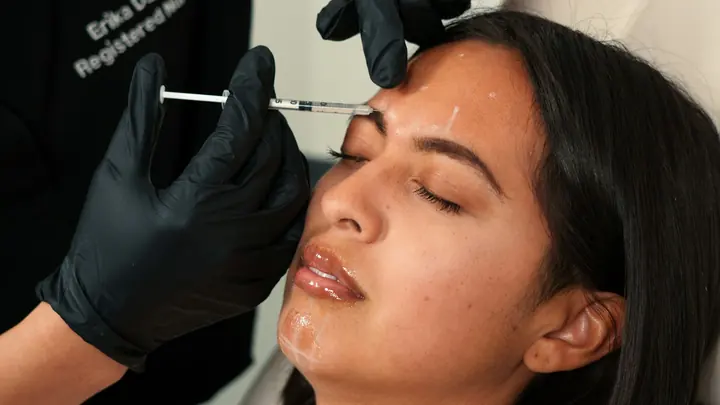
Botox vs Filler: What Is the Difference and Which Suits You?
Botox relaxes muscles while filler restores volume. Learn how they differ, how long each lasts and how to choose the right doctor.
Read article
Laser hair removal uses a beam of light that targets the pigment in hair and weakens the follicle, so regrowth reduces gradually over a course of sessions. Most people need around 6 to 8 sessions, and results vary with hair colour, skin type, body area and hormones. The realistic goal is a large, long-lasting reduction in hair, possibly with top-up sessions, rather than complete permanent removal.
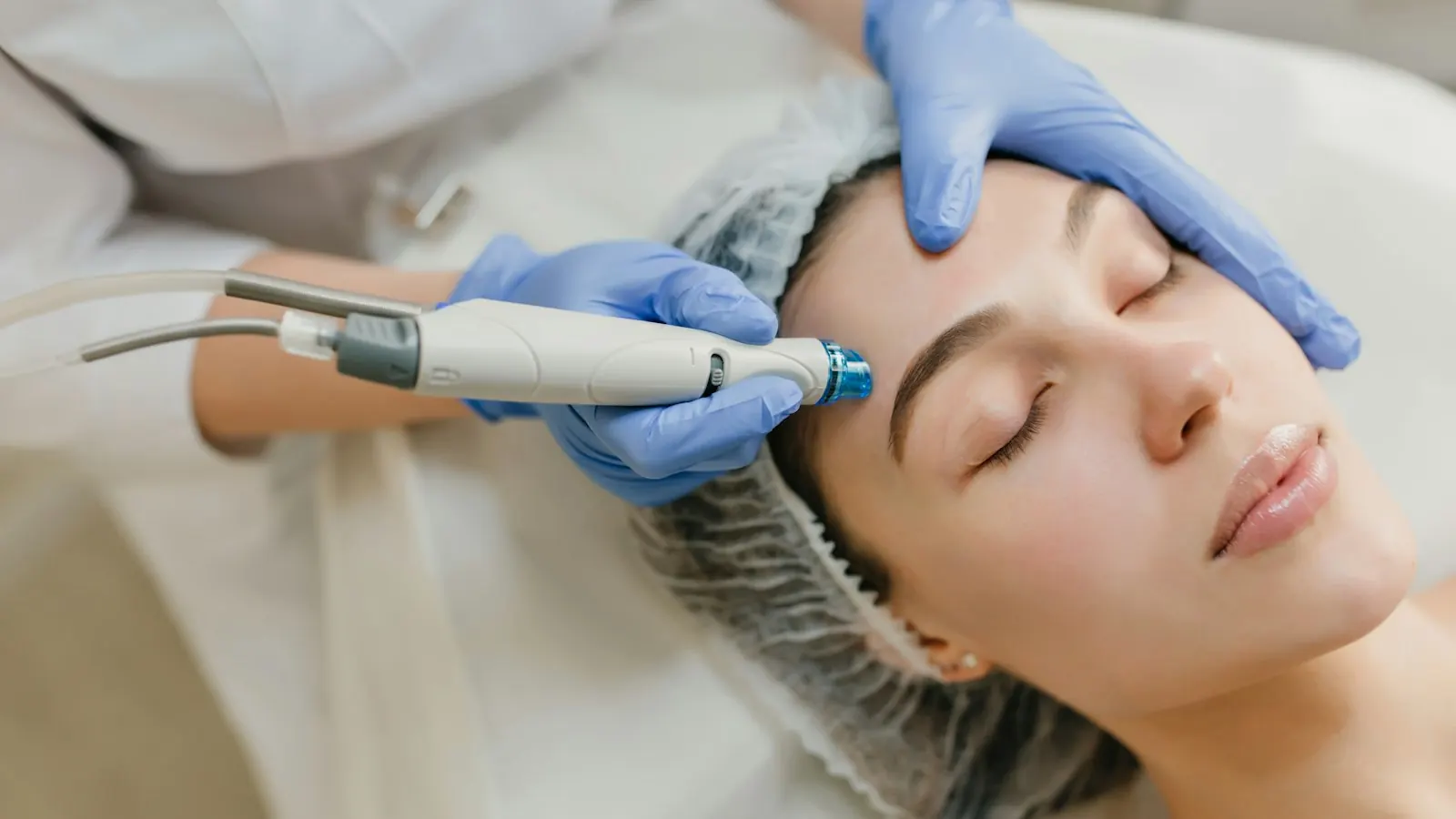
The melanin pigment in the hair absorbs the laser energy, which turns into heat that damages the follicle and weakens its ability to grow new hair. That is why laser works best on dark, coarse hair and less well on blonde, white or red hair, which contain little pigment.
Hair grows in cycles, and laser mainly affects hairs in the active growth phase. Because not all hairs are in that phase at the same time, several spaced-out sessions are needed.
Most people need around 6 to 8 sessions, some need more, followed by occasional top-ups when needed. The interval between sessions depends on the area; these are common approximate ranges:
Hair growth driven by hormonal conditions such as polycystic ovary syndrome may need more sessions, together with medical follow-up of the underlying cause.
Your doctor chooses the device and its settings according to your skin and hair colour. Alexandrite lasers generally suit fair to olive skin, diode lasers are used across a wide range of skin tones, and Nd:YAG lasers have a longer wavelength and are considered a safer choice for brown and dark skin.
Intense pulsed light (IPL) devices are not true lasers and may be less suitable for darker skin. What matters more than the device name is choosing the right settings and assessing your skin first, which lowers the risk of burns and changes in skin colour.
Good preparation makes the session safer and more effective. Follow these steps, and always follow your doctor's instructions:
Mild redness and small bumps around the follicles are normal for a few hours to a day or two. After about 1 to 3 weeks the treated hairs start to shed, which can look like regrowth when they are actually being pushed out of the skin.
Less common effects include blisters, burns and lightening or darkening of the skin, which are more likely with tanned skin or unsuitable settings; rarely, hair growth can increase in nearby areas. To reduce these risks:
Laser suits many people, but some situations call for postponing treatment or a specific assessment by your doctor first:
Most people describe a mild sting, like a rubber band snapping on the skin. It varies with the area and hair density; device cooling helps, and your doctor may use a numbing cream when needed.
There is no evidence of this. Hair-removal lasers reach only layers near the skin surface and do not use ionising radiation like X-rays.
Laser works poorly on white, grey and light blonde hair because they lack pigment; your doctor may suggest other methods such as electrolysis.
It is usually advised to avoid direct sun for about two weeks after a session and to use sunscreen daily throughout your course of treatment.
See a dermatologist if you develop blisters, crusting or severe pain after a session, dark or light patches that do not improve, or signs of infection such as pus or heat. Also see a doctor before starting if you have sudden thick hair growth or hair in unusual places, or irregular periods, as this may point to a hormonal cause that needs checking. You can book a consultation at Medical Care Clinics, where our dermatology and aesthetics team will assess your skin and hair and suggest the right plan for you.
This article is general health education and does not replace a medical examination. Every case needs its own assessment by a doctor.
Botox relaxes muscles while filler restores volume. Learn how they differ, how long each lasts and how to choose the right doctor.
Read articleAcne is treatable, but the right treatment differs between mild, moderate and severe acne. Learn the options and when a doctor is needed.
Read articleMelasma is one of the most common skin concerns in sunny climates. Learn how it differs from other pigmentation, how it is treated, and how to reduce relapse.
Read article