Laser Hair Removal: How It Works and How Many Sessions
How many laser sessions will you need, and is it right for your skin? A practical guide to preparation, aftercare, side effects and when to wait.
Read article
Melasma causes symmetrical brown or greyish patches, usually on the cheeks, forehead and upper lip, and it is more common in women. It can be lightened well with daily sun protection and topical treatments chosen by a doctor, but it is a chronic condition that tends to come back, so it is managed as something to keep under control rather than cured in one go.
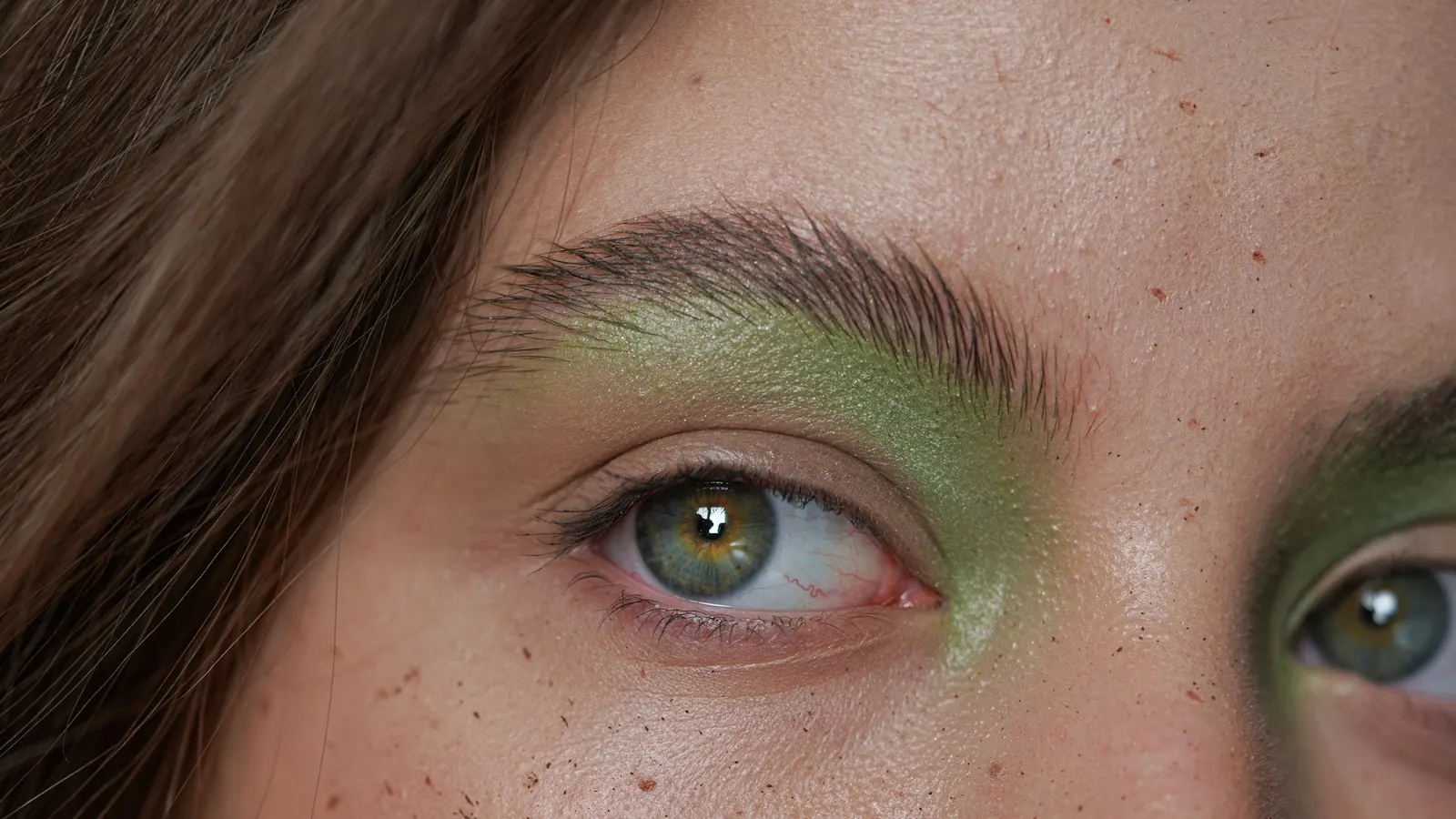
Not every dark patch is melasma, and the type matters because each is treated differently:
More than one type can appear on the same face, and some new or changing dark spots need examining to make sure they are nothing else, so an accurate diagnosis is made by a dermatologist.
There is no single cause. Several factors activate the pigment-producing cells in the skin, mainly:
This is why one woman may develop melasma while her sister does not, despite the same sun exposure: susceptibility varies from person to person.
The foundation of treatment is a daily broad-spectrum sunscreen with SPF 30 or higher. A tinted sunscreen containing iron oxides is preferred, because it also blocks visible light, which worsens melasma. Without this step, no other treatment works well.
Your doctor may then recommend lightening creams. Some are available without a prescription, such as azelaic acid, vitamin C and kojic acid, while others need a prescription and follow-up, such as hydroquinone or combination creams used for set periods. Avoid lightening creams from unknown sources, as some contain harmful ingredients that can thin the skin or cause paradoxical darkening.
In some cases the doctor may prescribe an oral treatment such as tranexamic acid after assessing your general health, as it is not suitable for everyone.
Superficial chemical peels and some lasers can speed up improvement, but they are used with great caution. Melasma is sensitive to heat and inflammation, and the wrong procedure or strong settings can make pigmentation worse rather than better, especially in olive and brown skin.
That is why these procedures usually come as a supporting step after several weeks of preparing the skin with creams and sun protection, using gentle sessions decided by the doctor.
It is also important not to combine several strong procedures or products at once in search of faster results, as irritation itself can increase pigmentation. A gradual plan followed and adjusted by your doctor according to your skin's response works better.
Melasma is chronic, and the pigment cells of people who have it are easily activated. A few days of sun or heat without protection can bring part of the patches back, even after clear improvement.
In Saudi Arabia the sun is strong for most of the year and peaks in summer with intense heat, so many people notice their melasma worsens in these months. The answer is not to stop treatment but to keep up daily protection and the maintenance treatment your doctor recommends.
Pregnancy-related melasma may fade gradually over the months after delivery, but it persists in some women. Many lightening treatments should not be used during pregnancy or breastfeeding without a doctor's approval.
It can be lightened considerably and kept under control, but it can return with sun, heat and hormonal changes, so daily prevention remains a permanent part of the plan.
This is not recommended, as long-term use or high strengths can cause side effects such as irritation or changes in skin colour. Your doctor will set the right strength and duration for you.
Not always, as the wrong laser can worsen melasma. It is sometimes a supporting option after topical treatment and sun protection, with settings chosen carefully by the doctor.
See a dermatologist if new dark patches appear and you are unsure what they are, if a spot changes in shape, colour or size or bleeds, if melasma has not improved after several months of sun protection, or if you notice irritation or colour changes after using lightening creams. You can book a consultation at Medical Care Clinics in Dammam, where our dermatology team will identify the type of pigmentation and build a treatment and prevention plan for your skin.
This article is general health education and does not replace a medical examination. Every case needs its own assessment by a doctor.
How many laser sessions will you need, and is it right for your skin? A practical guide to preparation, aftercare, side effects and when to wait.
Read articleBotox relaxes muscles while filler restores volume. Learn how they differ, how long each lasts and how to choose the right doctor.
Read articleAcne is treatable, but the right treatment differs between mild, moderate and severe acne. Learn the options and when a doctor is needed.
Read article