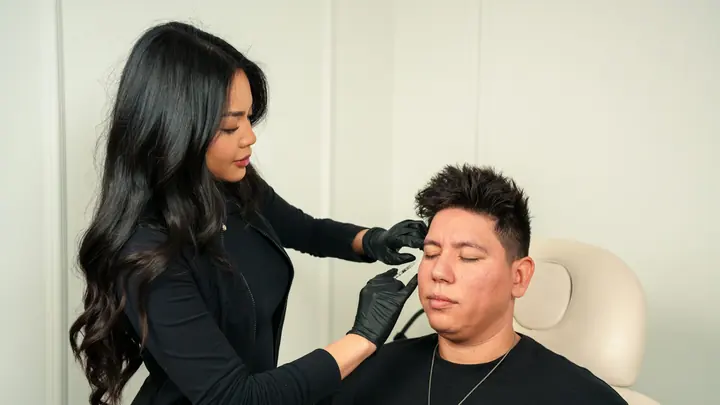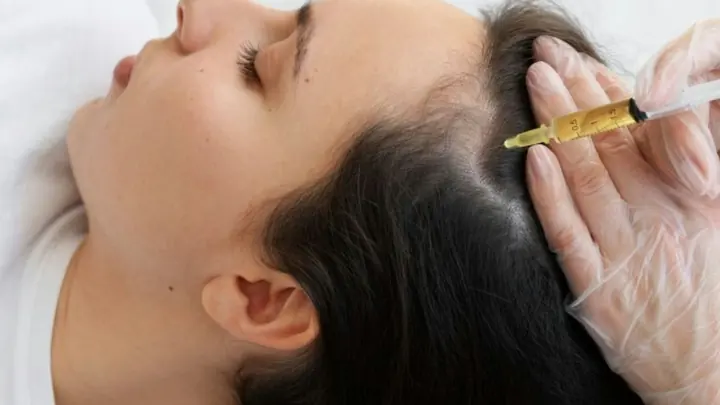
PRP for Hair and Skin: Does It Work, and Who Is It For?
Can platelet-rich plasma help hair loss or skin texture? An honest look at the evidence, who it does not suit, and what a session and aftercare involve.
Read article
Sunburn is skin inflammation caused by ultraviolet light. It usually appears a few hours after exposure as redness, heat and pain, and more severe burns can blister. It is common after long days by the sea, because water and sand reflect UV and increase its strength, while the sea breeze hides the feeling of heat. Most mild sunburn improves at home within days, but some needs a doctor.

Whether on the Dammam or Al-Khobar Corniche or on a trip to Half Moon Bay, several factors make sunburn come faster than expected: water and pale sand reflect some UV back onto the skin, the cool breeze masks the heat so we stay out longer, and swimming and sweating remove sunscreen quickly.
Skin under shallow water is not fully protected either, and UV still gets through on dusty or partly cloudy days. That is why many people are surprised by a burn in the evening after a day that felt pleasant.
As soon as you notice redness, get out of the sun, because a burn keeps developing for hours after exposure. Then follow these steps:
Several home remedies may feel soothing but harm burnt skin or raise the risk of infection. The most common are:
Children burn faster than adults, and severe sunburn in childhood is linked to a higher risk of skin problems later. Take any baby under one year with sunburn to a doctor, and any child with widespread blisters, fever, vomiting, unusual drowsiness or passing little urine.
To prevent it on beach trips, choose shade and an umbrella, dress your child in a wide hat and a long-sleeved swim shirt, and use a water-resistant children's sunscreen reapplied after every swim. Babies under 6 months should be kept out of direct sun, and sunscreen should only be used on them with a doctor's advice.
A comfortable trip starts with planning: go early in the morning or late in the afternoon, and take an umbrella and plenty of water. Apply a broad-spectrum, water-resistant sunscreen of SPF 30 or higher 15 minutes before going out, and reapply every two hours and after every swim or towel-dry.
Do not forget the spots many people miss: the ears, back of the neck, tops of the feet, the scalp if your hair is thin, and the lips with an SPF lip balm. Sunglasses protect your eyes and the delicate skin around them.
Mild sunburn usually improves within 3–7 days and may peel afterwards. Blistering burns take longer and may need medical follow-up.
The redness fades, but pigmentation or a tan may last for weeks, especially in skin prone to pigmentation. Repeated burns speed up skin ageing and raise the long-term risk of skin cancer.
Yes. UV passes through shallow water, and swimming removes sunscreen. Use a water-resistant sunscreen, wear a swim shirt and reapply after getting out of the water.
Aloe vera gel or gentle moisturisers soothe the skin and ease dryness, but they do not speed up healing of severe burns. If you notice redness or itching after applying it, stop, as it can cause allergy in some people.
See a doctor if the sunburn is widespread or has many blisters, if it comes with fever, chills, severe headache or nausea, if there are signs of infection such as pus or increasing pain, or if the person burnt is a baby or young child. If someone faints, becomes confused or has a very high temperature after sun exposure, call an ambulance straight away. You can book a consultation at Medical Care Clinics in Al-Shati Al-Gharbi, Dammam, close to Al-Khobar and Dhahran, where our dermatology team will assess the burn and follow up any pigmentation it leaves behind.
This article is general health education and does not replace a medical examination. Every case needs its own assessment by a doctor.
Can platelet-rich plasma help hair loss or skin texture? An honest look at the evidence, who it does not suit, and what a session and aftercare involve.
Read articleWhy does beard hair need more sessions, and can laser help razor bumps on the neck? A guide for men on areas, sessions, preparation and side effects.
Read articleSummer humidity in the Eastern Province leaves skin shiny and sweaty, then air-conditioning dries it indoors. Here is a simple, light-layered routine that suits this changeable climate.
Read article