PRP for Hair and Skin: Does It Work, and Who Is It For?
Can platelet-rich plasma help hair loss or skin texture? An honest look at the evidence, who it does not suit, and what a session and aftercare involve.
Read article
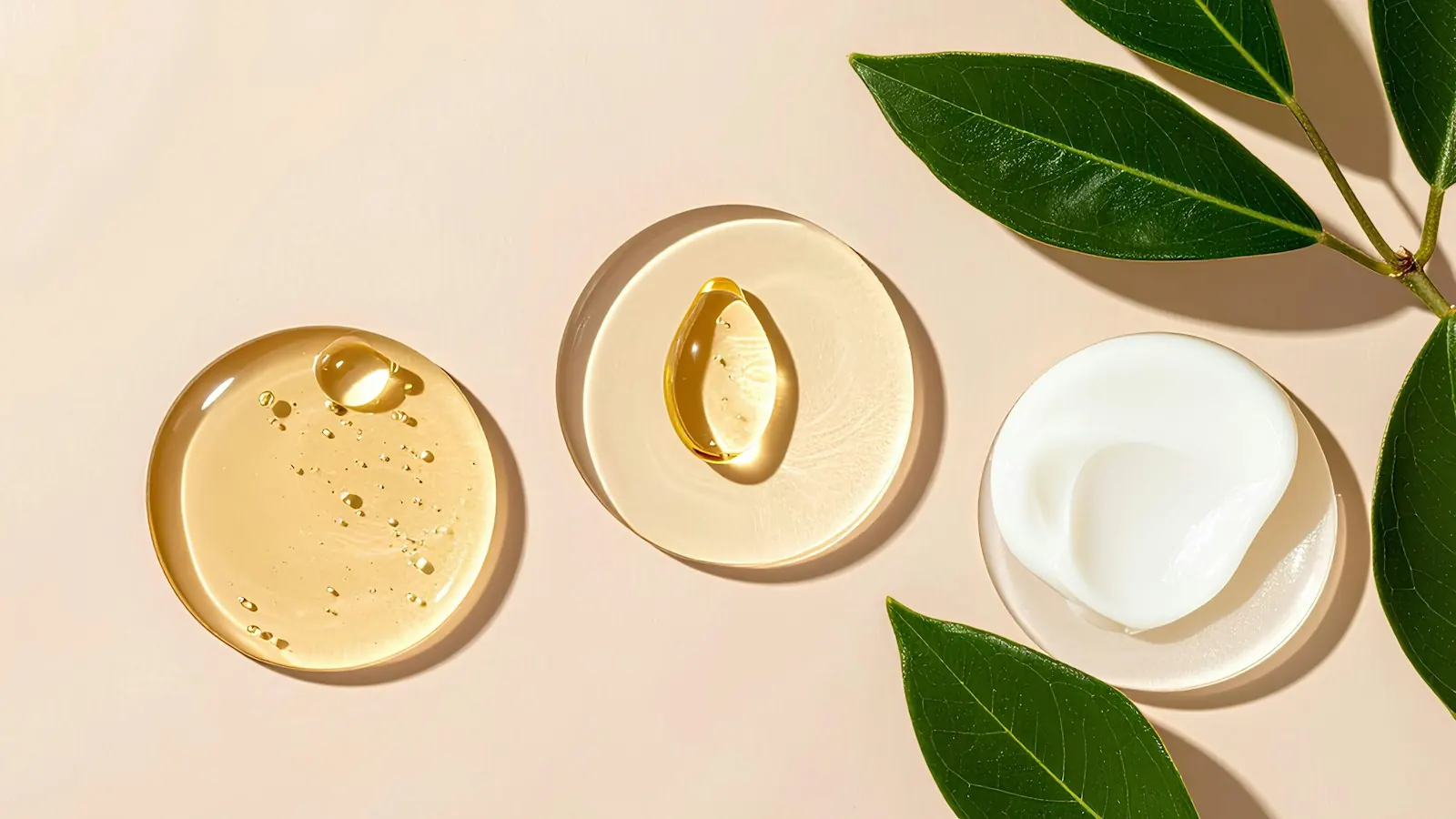
In Dammam and Al-Khobar the skin lives between two opposite climates: high humidity and heat outdoors that increase sweating and oil, and cool, dry air-conditioned spaces that draw water out of the skin. Most people do best with a short routine of light layers: a gentle cleanser, a light non-comedogenic moisturiser and sunscreen every morning, adjusted a little between summer and winter and to your skin type.
High humidity slows the evaporation of sweat, so it stays on the skin longer and mixes with oil, dust and sunscreen. This raises the chance of clogged pores, small bumps and heat rash, especially on the forehead, neck and back.
At the same time, long hours in air-conditioned offices, cars and homes lower the moisture around the skin, so many people feel tightness or light flaking, and the skin may respond by producing more oil. That is why skin can be oily and shiny yet dehydrated at the same time, sometimes called dehydrated oily skin.
In the morning the aim is to protect your skin without weighing it down with layers that melt as soon as you step into the heat:
After a hot, humid day the skin carries a layer of sweat, oil, sunscreen and dust, so it needs a good cleanse. If you wear make-up or water-resistant sunscreen, you can start with a cleansing oil or micellar water, then use your usual cleanser.
Then apply a moisturiser that suits your skin type, plus any treatment your doctor has prescribed. Exfoliating ingredients such as salicylic acid can help oily skin in summer, but start two or three times a week, stop if you notice redness or stinging, and do not combine several exfoliants without advice.
Sweat itself is not harmful; it is sweat sitting on the skin for long periods, combined with friction, that irritates it. Pat sweat away with a clean tissue rather than wiping hard, and rinse your face with water after exercise or outdoor work when you can.
Loose cotton clothing, changing out of damp clothes quickly and showering after activity reduce spots on the back and chest. People who wear a shemagh, ghutra or hijab for long hours benefit from washing them regularly, because their contact with the forehead and chin while sweating can add to breakouts there.
Usually, yes. In humid summer most skin types prefer light textures and a gently cleansing face wash. In the cooler, less humid months, or for anyone spending the day under air-conditioning, the skin may need a slightly richer moisturiser with ingredients such as glycerin, ceramides or hyaluronic acid.
Listen to your skin: tightness and flaking mean it needs more hydration, while heavy shine and spots suggest your products are too rich. Sunscreen stays the same in every season.
It is usually not recommended, because cleansing and air-conditioning dry the skin and it then produces more oil. Choose a light, non-comedogenic gel moisturiser, or a moisturising sunscreen if that is enough for you.
Twice a day, morning and evening, is enough for most people, with a water rinse after heavy sweating. Washing with cleanser too often can dry and irritate the skin.
Water varies from home to home, and some people feel drier with hard or hot water. Use lukewarm water and apply moisturiser straight after washing while the skin is still slightly damp.
Gel, light fluid or mattifying sunscreens usually suit humid weather. What matters most is broad-spectrum protection of at least SPF 30, reapplied when you stay outdoors.
See a dermatologist if spots or redness last more than 6–8 weeks despite regular care, if itchy red patches appear in skin folds that may be fungal, if you keep reacting to products, or if dryness and cracking with itching do not improve with moisturiser. You can book a consultation at Medical Care Clinics in Al-Shati Al-Gharbi, Dammam, close to Al-Khobar and Dhahran, where our dermatology team will assess your skin type and suggest a routine that suits it.
This article is general health education and does not replace a medical examination. Every case needs its own assessment by a doctor.
Can platelet-rich plasma help hair loss or skin texture? An honest look at the evidence, who it does not suit, and what a session and aftercare involve.
Read articleWhy does beard hair need more sessions, and can laser help razor bumps on the neck? A guide for men on areas, sessions, preparation and side effects.
Read articleHow many laser sessions will you need, and is it right for your skin? A practical guide to preparation, aftercare, side effects and when to wait.
Read article