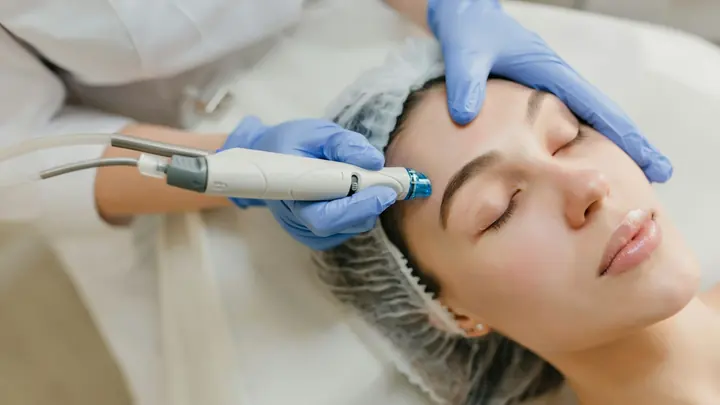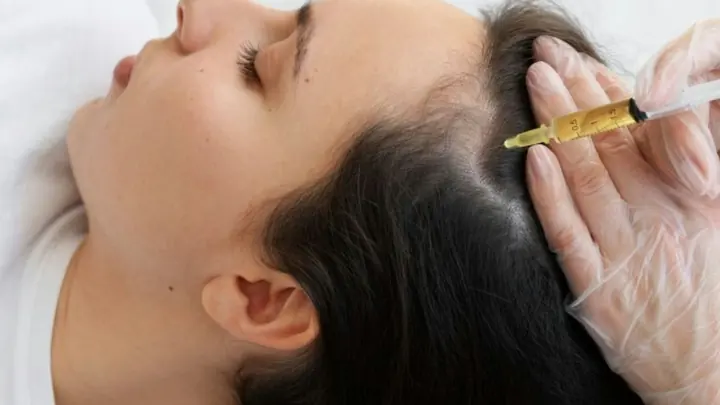
PRP for Hair and Skin: Does It Work, and Who Is It For?
Can platelet-rich plasma help hair loss or skin texture? An honest look at the evidence, who it does not suit, and what a session and aftercare involve.
Read article
Many men turn to laser to shape the beard, clear hair from the neck and back, or reduce ingrown hairs and razor bumps. Laser can genuinely help with this, but men's hair is denser and darker, and facial hair is driven by male hormones, so it usually needs more sessions and maintenance. The realistic goal is a large, long-lasting reduction in hair, not complete permanent removal.
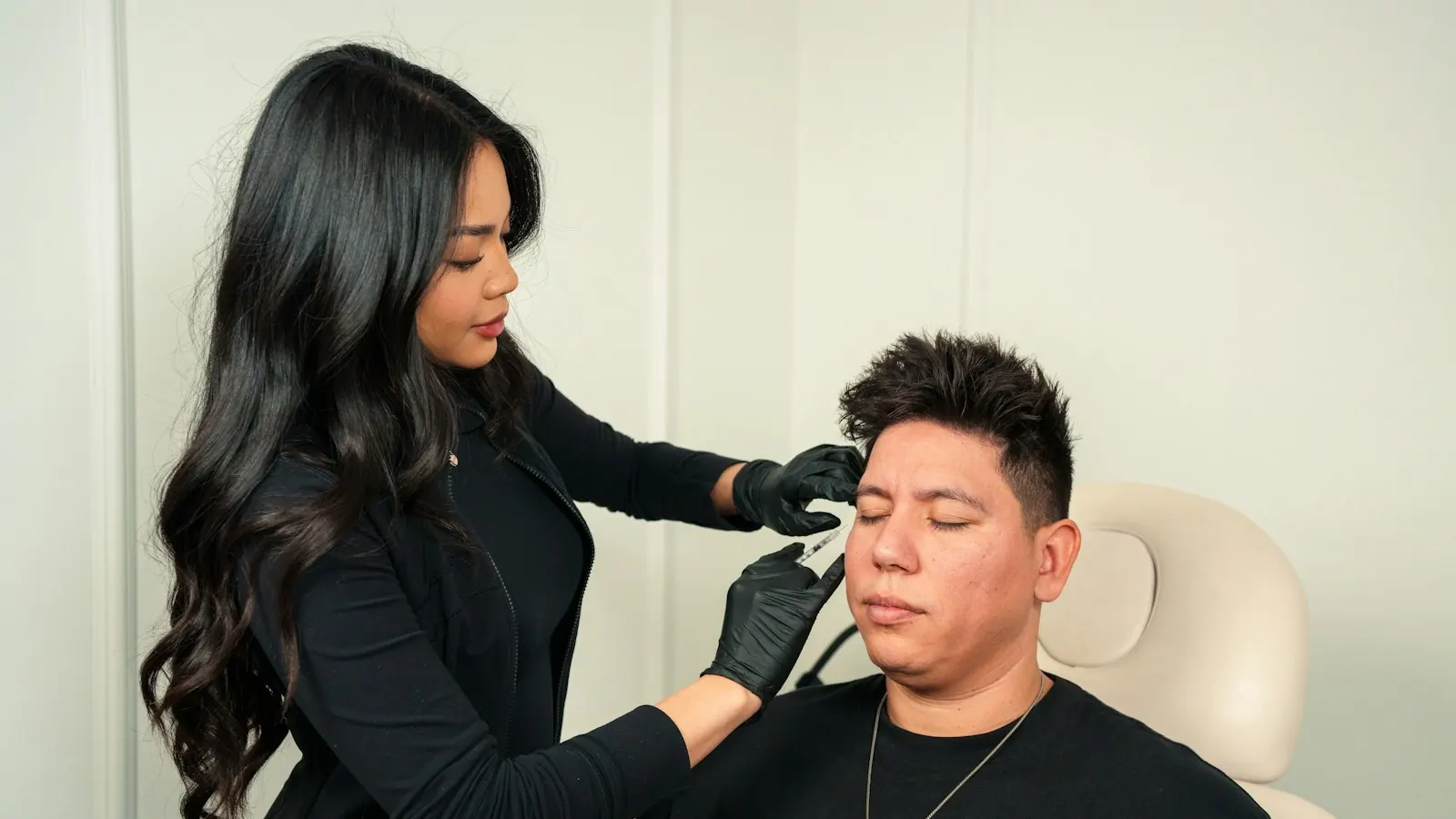
The areas depend on your goal: some men want a cleaner beard line, others want to clear thick body hair. If you are shaping your beard, agree a conservative, clear line with your doctor before starting, because hair weakened by laser often does not grow back as before, and your preferred beard style may change over the years. The line is usually drawn on the skin before the session.
The most common areas men treat are:
Razor bumps, or pseudofolliculitis barbae, are common in men with coarse or curly hair, especially on the neck. After shaving, the hair curls back and pierces the skin, causing painful red bumps that can leave dark marks or scars.
Laser reduces the number and thickness of hairs, so they are less likely to grow inward, and it is one of the effective options for this problem. If the bumps are badly inflamed, your doctor may first treat the inflammation with prescription creams, then start laser once the skin settles. Do not try to dig out ingrown hairs with a needle or tweezers, as this raises the risk of infection and dark marks.
Dark, coarse hair responds well to laser because it is rich in pigment, but it absorbs more energy, so sessions can be more uncomfortable and irritation or inflamed follicles afterwards are more likely. That is why the doctor sets the energy carefully, especially in the first beard and neck sessions.
Many people in our region have olive to brown skin, and here the choice of device matters: the Nd:YAG laser has a longer wavelength and is considered a safer choice for brown and dark skin, while diode lasers are used across a wide range of skin tones. Your doctor may do a test patch before a full session. White hairs in the beard barely respond to laser.
Beard and neck hair in men is constantly stimulated by male hormones, so it responds more slowly than hair on most of the body, and new hairs can appear over time that need top-up sessions. If you take testosterone therapy or anabolic hormones, tell your doctor, as they can increase hair growth and reduce results.
These are common approximate ranges, and your doctor will set what suits how your hair responds:
Redness and small bumps around the follicles are normal for a few hours to a day or two, and the treated hairs start to shed after about 1 to 3 weeks. For good preparation and aftercare:
Small acne-like bumps can appear after a session and usually clear within days. Less common effects include burns, blisters and changes in skin colour, especially with tanned skin. Rarely the opposite happens and hair growth increases in nearby areas; this is seen more on the face, neck, shoulders and upper back, and your doctor manages it by adjusting the plan.
Postponing a session, or a specific assessment, is advised in these situations:
It can reduce it a great deal, but male facial hair is stubborn, and some fine hairs often remain or new ones appear that need top-up sessions. So think carefully before treating the whole beard.
The sensation can be stronger in areas with thick hair during the first sessions, then usually eases as the hair weakens. Device cooling helps, and your doctor may use a numbing cream when needed.
Yes. Shaving is fine and better than plucking or waxing, which remove the follicle the laser needs. Shave gently, and avoid shaving irritated skin straight after a session.
Start as early as possible, because improvement takes several sessions. It is best not to have your last session only a few days before the occasion, as temporary redness or bumps can appear afterwards.
See a dermatologist if razor bumps on your neck keep coming back, hurt, or leave dark marks or scars, or if after a laser session you develop blisters, crusting, severe pain, signs of infection such as pus or heat, or patches that do not improve. A check before starting is also advised if you have moles or undiagnosed spots in the area. You can book a consultation at Medical Care Clinics, where our dermatology and aesthetics team will assess your skin and hair type and suggest the right device and plan for you.
This article is general health education and does not replace a medical examination. Every case needs its own assessment by a doctor.
Can platelet-rich plasma help hair loss or skin texture? An honest look at the evidence, who it does not suit, and what a session and aftercare involve.
Read articleSummer humidity in the Eastern Province leaves skin shiny and sweaty, then air-conditioning dries it indoors. Here is a simple, light-layered routine that suits this changeable climate.
Read articleHow many laser sessions will you need, and is it right for your skin? A practical guide to preparation, aftercare, side effects and when to wait.
Read article