PRP for Hair and Skin: Does It Work, and Who Is It For?
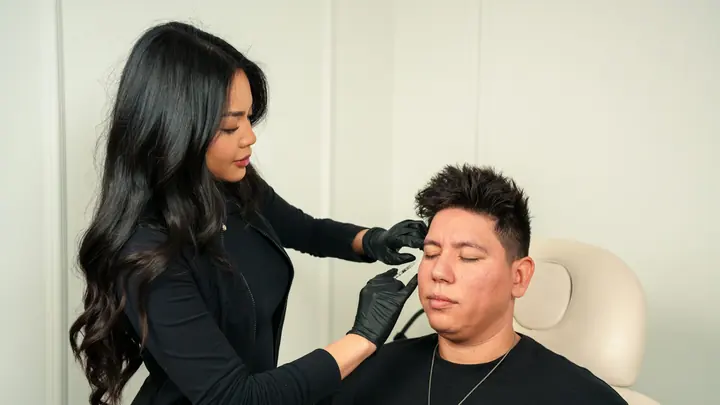
Can platelet-rich plasma help hair loss or skin texture? An honest look at the evidence, who it does not suit, and what a session and aftercare involve.
Read article
The Eastern Province summer brings three challenges for the skin at once: strong sun for long hours, heat that increases sweating, and humidity that keeps sweat on the skin. Effective protection does not rely on a single cream but on a plan that combines shade, timing, the right clothing, sunscreen, drinking water and caring for the skin after the heat. This plan matters even more for children and for people who work outdoors.
As heat and humidity rise, certain problems become more common. Knowing them helps you prevent them early:
UV rays are usually strongest between 10 am and 4 pm, so try to run errands and be active outdoors early in the morning or late in the afternoon. A simple rule: if your shadow is shorter than you are, the sun is at its peak.
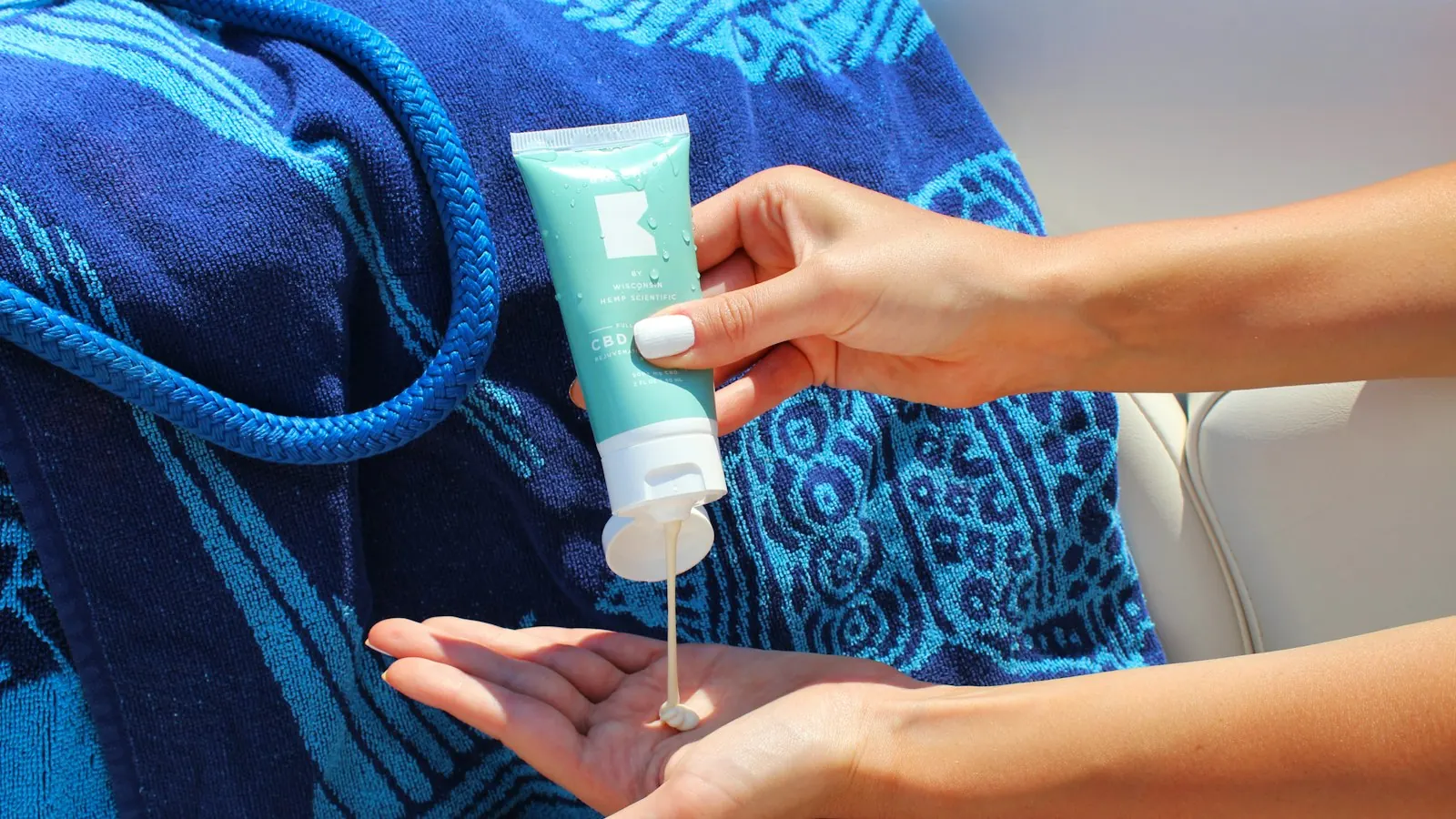
Use a broad-spectrum sunscreen of SPF 30 or higher on all exposed skin, and reapply every two hours outdoors and after heavy sweating. Complete your protection with a wide-brimmed hat, sunglasses and light long-sleeved clothing where possible; clothing is one of the most reliable forms of protection because it does not wash off with sweat.
Drink water at intervals through the day, even before you feel thirsty. Dehydration tires the whole body and lowers its ability to cope with heat.
Site and field workers, delivery drivers and anyone who spends hours in a car get more sun than most, and need steady habits rather than occasional protection:
Children's skin is thinner and burns more easily, and severe sunburn in childhood is linked to a higher risk of skin problems later. Babies under 6 months are protected with shade, light clothing and a hat, and sunscreen should only be used on them with a doctor's advice. After that age, a mineral children's sunscreen reapplied during play and swimming is preferred.
Dress them in loose cotton clothes and avoid piling on layers in the heat, as this causes heat rash. Never leave a child in a closed car, even for a few minutes, because the temperature rises very quickly. Watch for signs of heat exhaustion such as unusual drowsiness, vomiting or passing little urine; these need urgent medical care.
When you get home, shower with lukewarm water and a mild soap to remove sweat, sunscreen and dust, and dry skin folds and between the toes well. Then apply a light moisturiser, as the skin dries out after hours of sun followed by hours of air-conditioning.
If you notice mild redness from the sun, cool compresses and a moisturiser containing aloe vera may soothe it. Avoid scrubbing, strong exfoliants and fragranced products on days when your skin is irritated.
Yes. Darker skin burns less easily but is more prone to pigmentation and melasma, and UV affects it over time. Sunscreen, shade and clothing matter for every skin tone.
Not entirely, as much of the UV light passes through clouds and dust. Keep up your usual protection and cleanse your face well in the evening to remove the dust.
Usually not on its own, because the amount of moisturiser or foundation we apply is far less than needed to reach the protection on the label. Use a separate sunscreen in a generous amount, and treat the SPF in make-up as extra protection only.
Some lightening products make the skin more sensitive to the sun, and products of unknown origin or creams containing cortisone should not be used without a prescription. Ask a dermatologist to choose a suitable, safe treatment for pigmentation.
See a dermatologist if you have widespread sunburn, blisters, or sunburn with fever or chills, a rash that does not improve within a few days, recurring fungal patches, pigmentation that gets worse every summer, or a new or changing mole. If you feel very dizzy, faint or confused after heat exposure, call an ambulance straight away. You can book a consultation at Medical Care Clinics in Al-Shati Al-Gharbi, Dammam, close to Al-Khobar and Dhahran, where our dermatology team will examine your skin and build a protection plan around your work and daily routine.
This article is general health education and does not replace a medical examination. Every case needs its own assessment by a doctor.
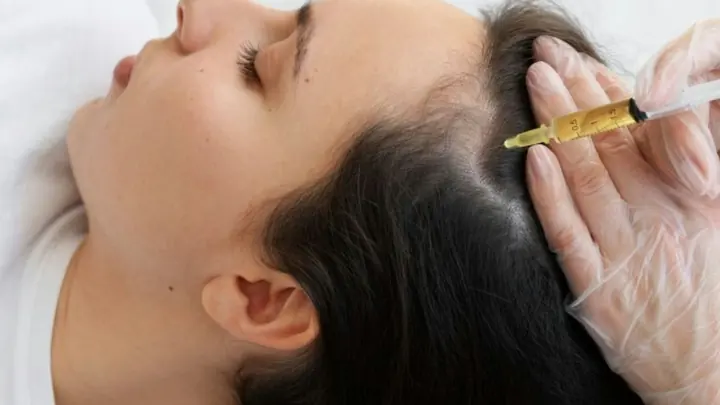
Can platelet-rich plasma help hair loss or skin texture? An honest look at the evidence, who it does not suit, and what a session and aftercare involve.
Read articleWhy does beard hair need more sessions, and can laser help razor bumps on the neck? A guide for men on areas, sessions, preparation and side effects.
Read articleSummer humidity in the Eastern Province leaves skin shiny and sweaty, then air-conditioning dries it indoors. Here is a simple, light-layered routine that suits this changeable climate.
Read article