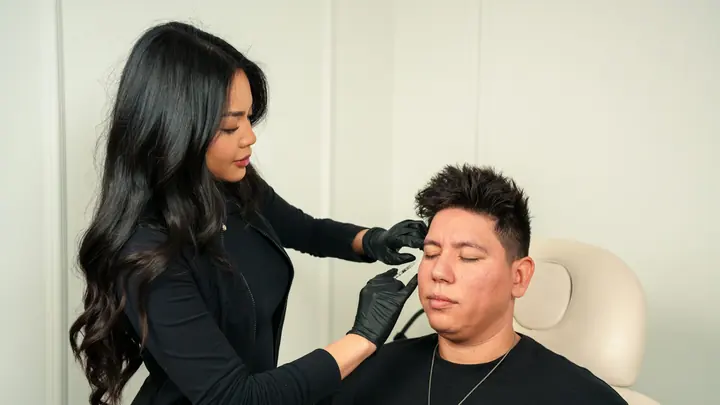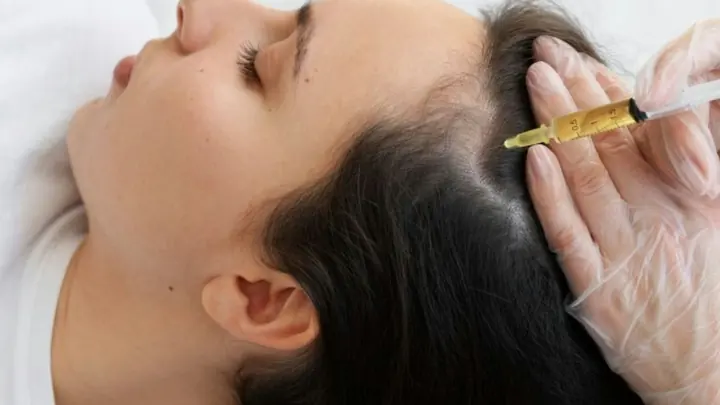
PRP for Hair and Skin: Does It Work, and Who Is It For?
Can platelet-rich plasma help hair loss or skin texture? An honest look at the evidence, who it does not suit, and what a session and aftercare involve.
Read article
Stretch marks are lines that form when the skin stretches faster than it can adapt, as in pregnancy, puberty, weight gain or rapid muscle building. They are harmless and fade on their own over time in many people. Available treatments improve their colour and texture to varying degrees, and work best when started while the marks are still red or pink, but no treatment is guaranteed to remove them completely.
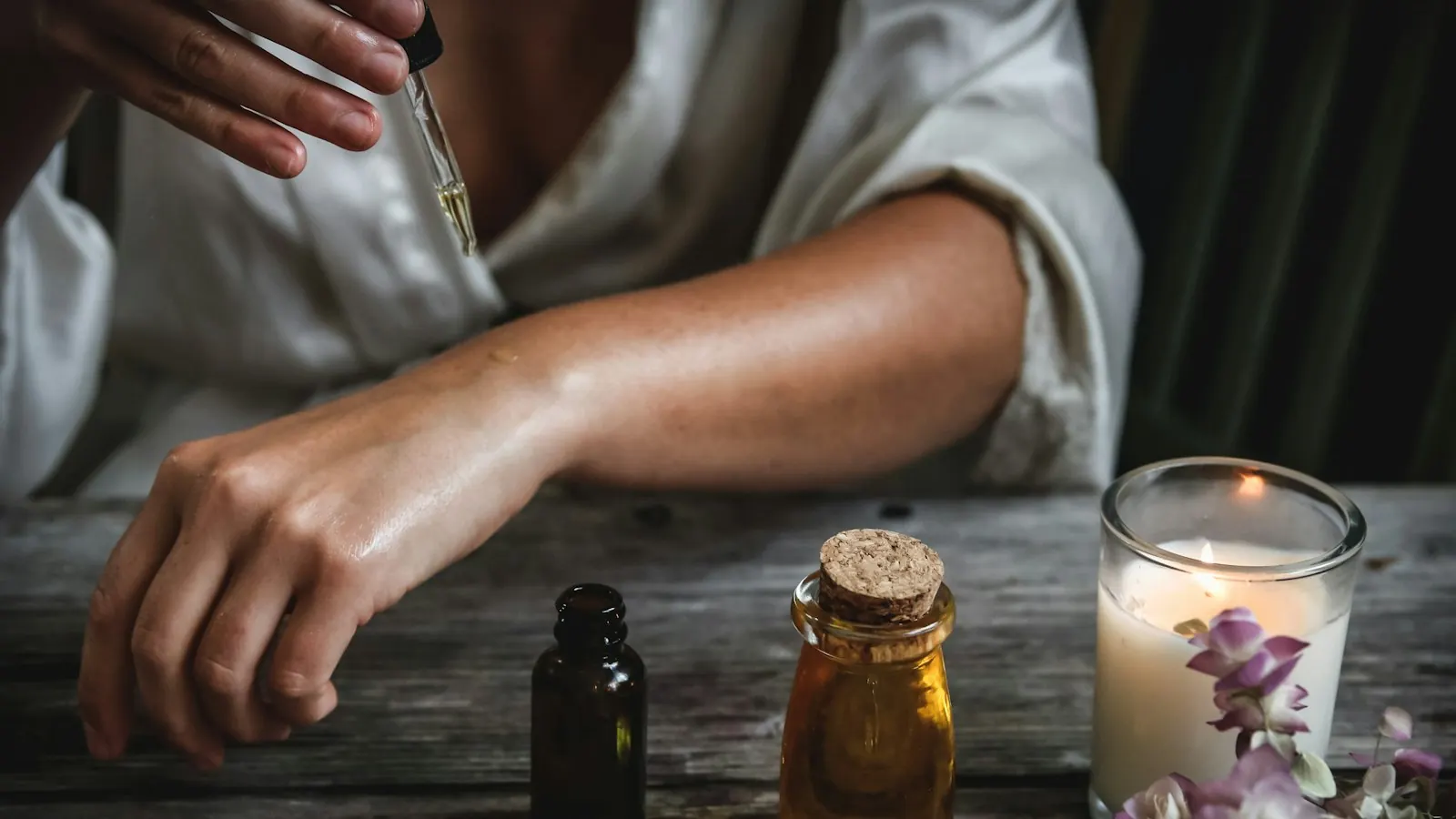
Beneath the skin's surface is a layer rich in collagen and elastin fibres that keeps it supple. When the skin stretches quickly, these fibres tear, leaving lines that start red, pink or purple and sometimes slightly raised, then gradually fade to pale or silvery lines that sit slightly below the skin surface.
Common causes include:
They usually do not disappear completely, but most people see them improve a lot with time: the redness fades over months to years and the marks become less noticeable. New red marks respond to treatment much better than old white ones.
So if your marks bother you, it is better to see a dermatologist early rather than waiting until they turn white. Still, treatment is not a medical necessity, and the decision is yours.
No single treatment suits everyone. The doctor chooses based on the age and colour of the marks and your skin type. Options include:
These treatments usually need several sessions weeks apart, and improvement is gradual over months. People with darker skin need carefully chosen settings, because some lasers can cause temporary pigmentation.
Many creams and oils claim to prevent pregnancy stretch marks, but the evidence that they can prevent them is weak, because genetics, skin type and the speed of stretching play the biggest role. Even so, moisturising the belly regularly eases the itching and dryness common in pregnancy, especially with air-conditioning dryness.
During pregnancy and breastfeeding, choose simple moisturisers, avoid any product containing retinoids, and ask your doctor before any treatment. Laser and microneedling are usually postponed until after delivery and breastfeeding, as your doctor advises.
Stretch marks cannot always be prevented, but some habits reduce the chance or severity: keep your weight steady and avoid crash diets that cause rapid loss and regain, increase gym loads gradually rather than chasing sudden muscle size, and avoid hormonal performance enhancers.
Do not use strong steroid creams on large areas or for long periods without medical supervision, as they are a known cause of thinning skin and stretch marks.
Laser improves colour and texture to a degree that varies between people, but it does not restore the skin fully. The realistic goal is for the marks to become less noticeable.
Yes, men get them in puberty, with weight gain and with rapid muscle building, especially on the shoulders, arms and back, and their treatment options are the same as women's.
Studies have not shown that they prevent or remove stretch marks, though they may moisturise the skin. They are usually harmless to use unless they cause irritation.
If wide purple marks appear quickly without an obvious reason such as pregnancy or weight gain, especially with other symptoms like weight gain in the face and abdomen or muscle weakness, they need a medical assessment.
See a dermatologist if wide purple stretch marks appear suddenly without a clear reason, or with other symptoms such as tiredness, high blood pressure or changes in body shape, if they appeared after using steroid creams, or if they affect your confidence and you want to know the options for your skin. You can book a consultation at Medical Care Clinics in Al-Shati Al-Gharbi, Dammam, close to Al-Khobar and Dhahran, where our dermatology team will assess the marks and explain honestly what can be improved.
This article is general health education and does not replace a medical examination. Every case needs its own assessment by a doctor.
Can platelet-rich plasma help hair loss or skin texture? An honest look at the evidence, who it does not suit, and what a session and aftercare involve.
Read articleWhy does beard hair need more sessions, and can laser help razor bumps on the neck? A guide for men on areas, sessions, preparation and side effects.
Read articleSummer humidity in the Eastern Province leaves skin shiny and sweaty, then air-conditioning dries it indoors. Here is a simple, light-layered routine that suits this changeable climate.
Read article