PRP for Hair and Skin: Does It Work, and Who Is It For?
Can platelet-rich plasma help hair loss or skin texture? An honest look at the evidence, who it does not suit, and what a session and aftercare involve.
Read article
Skin tags and moles are among the most common reasons people see a dermatologist, and most are benign and only need removal for cosmetic reasons or because they get irritated by rubbing. The first step is always to confirm the diagnosis, because some skin cancers can look like an ordinary tag or mole. When removing them, the doctor chooses a suitable method and may send the tissue to the laboratory if there is any doubt.
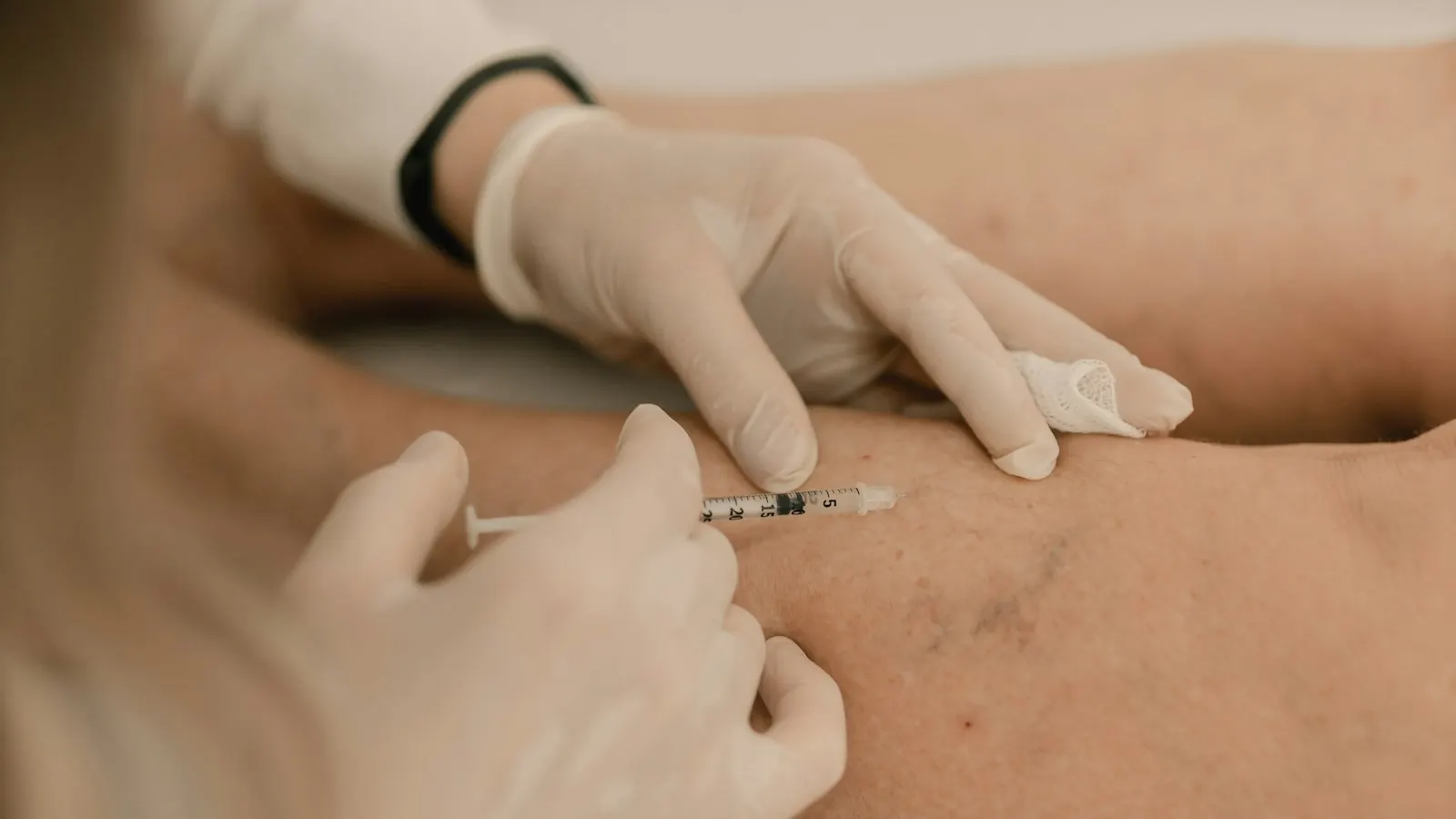
A skin tag is a small, soft piece of skin hanging from a thin stalk, skin-coloured or slightly darker. Tags usually appear on the neck, armpits, eyelids, under the breasts and in the groin folds, where skin rubs against skin. They become more common with age, weight gain, insulin resistance and pregnancy. They are benign and do not turn into cancer.
A mole is a cluster of pigment cells in the skin. It can be flat or raised, brown, black or skin-coloured. Most moles are also benign, but a small number can change over time, so moles need closer monitoring than skin tags.
Removal is an optional, cosmetic choice when a tag or mole has been examined and found benign but bothers you. It becomes medically useful in other situations, including:
Removal is usually done in clinic under local anaesthetic and takes minutes. The doctor chooses the method based on the type, size and location of the growth, and whether it needs analysis:
Any removal can leave a small mark or a change in skin colour, depending on skin type and location. People with darker skin are more prone to post-inflammatory pigmentation and need careful wound care and sun protection.
A biopsy means the removed tissue is examined under a microscope by a pathologist. It is the definitive way to know what a mole is, and whether it is completely benign or shows changes that need follow-up or further treatment.
This is why removing a mole by laser or burning without prior examination is not advised: these methods destroy the tissue so it cannot be analysed, and they may hide a problem that needed early detection. The doctor usually gives you the result within days to two weeks, depending on the lab.
Good aftercare speeds healing and reduces marks. Always follow your doctor's instructions for your case, which usually include:
True skin tags are benign and do not become cancer. However, some growths can look similar, so a doctor examines any unusual growth before removing it.
The doctor uses local anaesthetic, so most people feel only the needle prick. Mild soreness may last a few days afterwards.
This is a common myth. Proper medical removal does not spread anything; removing and analysing a suspicious mole is actually the safe way to get peace of mind.
Skin tags often appear in pregnancy because of hormonal changes, and some shrink after delivery. Cosmetic removal is usually best postponed until after the birth, unless your doctor advises otherwise.
See a dermatologist if you notice a new mole that looks different from your others, a mole that changes in size, shape or colour, or one that bleeds, itches or ulcerates, a skin tag that keeps getting irritated, or if you would like any growth removed for cosmetic reasons. You can book a consultation at Medical Care Clinics in Al-Shati Al-Gharbi, Dammam, close to Al-Khobar and Dhahran, where our dermatology team will examine it and advise whether removal, analysis or simple monitoring is needed.
This article is general health education and does not replace a medical examination. Every case needs its own assessment by a doctor.
Can platelet-rich plasma help hair loss or skin texture? An honest look at the evidence, who it does not suit, and what a session and aftercare involve.
Read articleWhy does beard hair need more sessions, and can laser help razor bumps on the neck? A guide for men on areas, sessions, preparation and side effects.
Read articleSummer humidity in the Eastern Province leaves skin shiny and sweaty, then air-conditioning dries it indoors. Here is a simple, light-layered routine that suits this changeable climate.
Read article