PRP for Hair and Skin: Does It Work, and Who Is It For?
Can platelet-rich plasma help hair loss or skin texture? An honest look at the evidence, who it does not suit, and what a session and aftercare involve.
Read article
In Ramadan, the timing of eating, drinking and sleeping changes, and many people notice dry skin and lips, dullness or dark circles. The answer is not lots of products, but spreading your water intake between iftar and suhoor, getting enough sleep even in two blocks, and keeping a gentle, steady routine. If you are planning a cosmetic treatment before Eid, booking early is the key to a comfortable result.
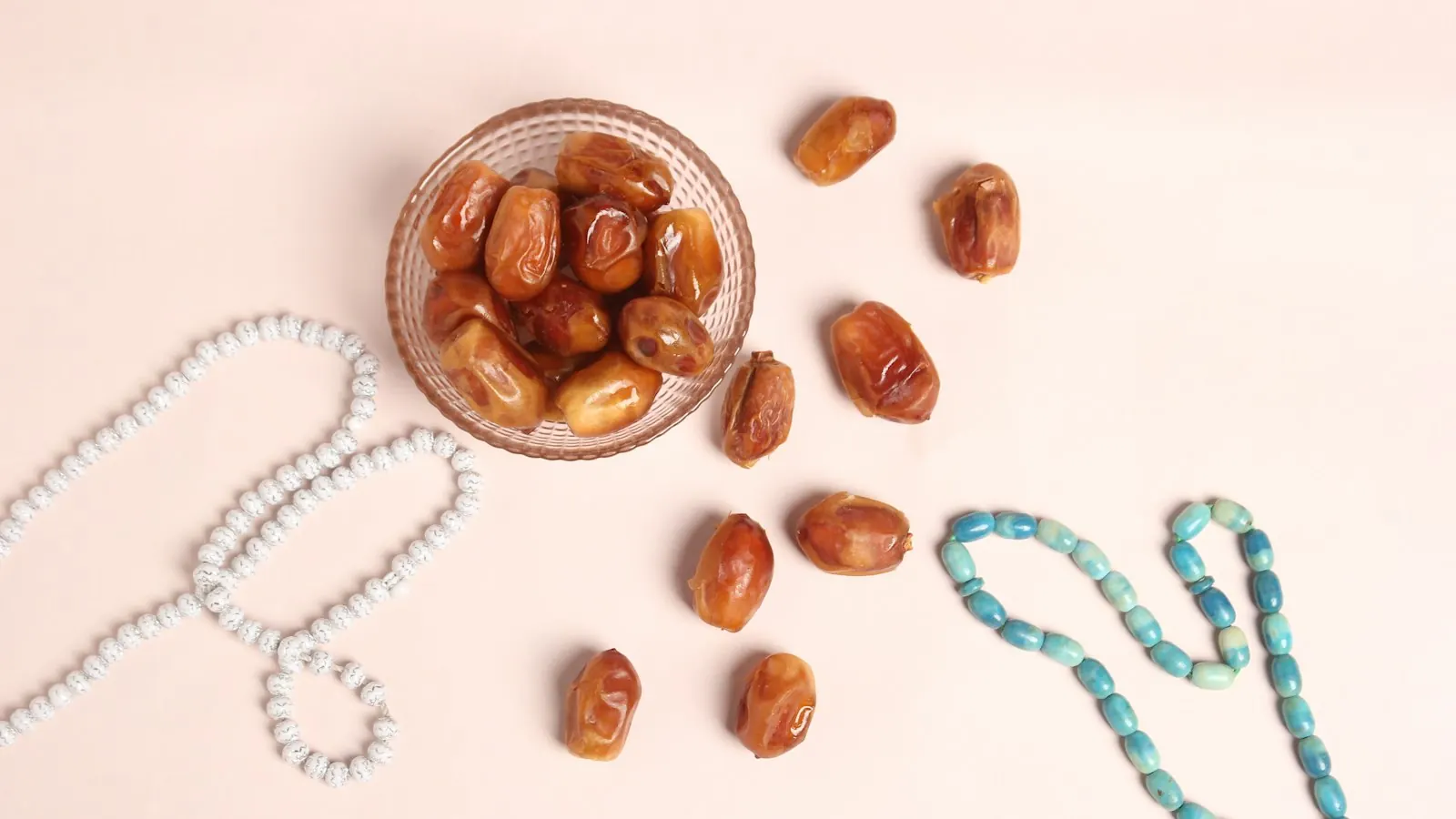
Long fasting hours reduce how much fluid the body receives, especially when Ramadan falls in the hot months. Added to this are late nights and broken sleep, plenty of fried, salty and sweet food at iftar, and long hours in dry air-conditioned air.
Responses vary from person to person; some feel dryness and tightness, others notice dullness or breakouts, and conditions such as eczema can worsen with dryness.
Hydration starts at the table, and the idea is to drink water in portions throughout the period between iftar and suhoor rather than a large amount at once:
Choose a simple routine that does not overload the skin: a gentle cleanser morning and evening, a moisturiser with ingredients such as glycerin or ceramides, and sunscreen during the day if you go out, especially for shopping or visits before iftar. Use a lip balm regularly, as lips are the first to dry out.
Ramadan is not the time to try strong new products or harsh exfoliation, because dry skin is more easily irritated. If you use prescription skin treatments, such as oral acne medicines, ask your doctor about the best time to take them between iftar and suhoor, since some need to be taken with food.
Lack of sleep makes skin look dull and brings out dark circles and puffiness under the eyes. Because unbroken sleep is hard in Ramadan, try to split it into two regular blocks, such as after taraweeh and after suhoor, or take a short daytime nap.
Many people in the region work shifts; if you are one of them, keep your sleep period as regular as possible and make the room dark and cool. Reduce screen time before bed, as good sleep is one of the simplest and cheapest forms of skincare.
The most common mistake is booking a treatment in the last days of Ramadan, leaving no time for swelling or redness to settle or for any adjustment. The general schedule below helps you plan, and your doctor will advise what suits your case:
Fasting does not directly cause acne, but changes in sleep, diet and fluid intake can make some people notice more spots. If they persist or are painful, see a dermatologist.
Natural henna, which stains orange to brown, is usually safe for most people. So-called black henna, however, may contain a chemical dye that causes severe allergic reactions and scarring, so avoid it.
Some perfume ingredients can react with sunlight and cause pigmentation where they were applied. Apply perfume to clothing rather than sun-exposed skin, and see a doctor if the patches persist.
Not necessarily; many treatments can be done during Ramadan after discussing timing with your doctor. What matters most is leaving enough time before Eid for recovery.
See a dermatologist if your skin becomes so dry it cracks or bleeds, if you develop itching and redness that look like eczema, painful acne or acne that leaves marks, or an allergic reaction after henna or a new product, especially with swelling or blisters. People with chronic illnesses or who take regular medicines should ask their doctor before changing their treatment timing in Ramadan. If you would like to prepare for Eid with a plan that suits your skin, you can book a consultation at Medical Care Clinics in Al-Shati Al-Gharbi, Dammam, close to Al-Khobar and Dhahran, where our dermatology and aesthetics team will help you choose the right treatment and timing.
This article is general health education and does not replace a medical examination. Every case needs its own assessment by a doctor.
Can platelet-rich plasma help hair loss or skin texture? An honest look at the evidence, who it does not suit, and what a session and aftercare involve.
Read articleWhy does beard hair need more sessions, and can laser help razor bumps on the neck? A guide for men on areas, sessions, preparation and side effects.
Read articleSummer humidity in the Eastern Province leaves skin shiny and sweaty, then air-conditioning dries it indoors. Here is a simple, light-layered routine that suits this changeable climate.
Read article