PRP for Hair and Skin: Does It Work, and Who Is It For?
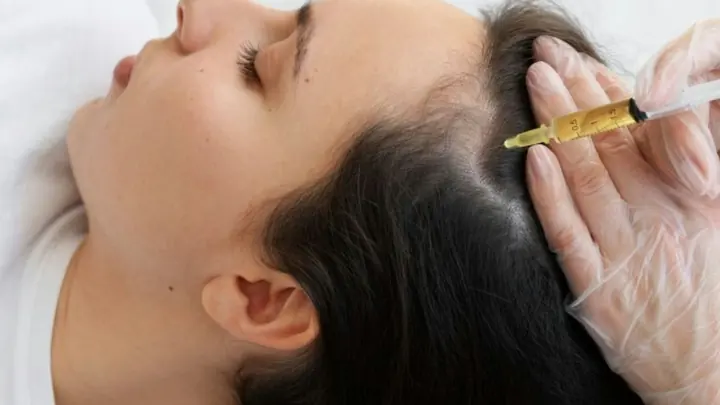
Can platelet-rich plasma help hair loss or skin texture? An honest look at the evidence, who it does not suit, and what a session and aftercare involve.
Read article
A scar is a natural part of healing after any deep wound, but in some people healing produces too much collagen and the scar becomes raised. If the raised scar stays within the wound edges it is called a hypertrophic scar, which often improves with time; if it spreads beyond the edges and keeps growing, it is a keloid. Early prevention and timely treatment improve the outcome considerably, although keloids can return even after treatment.
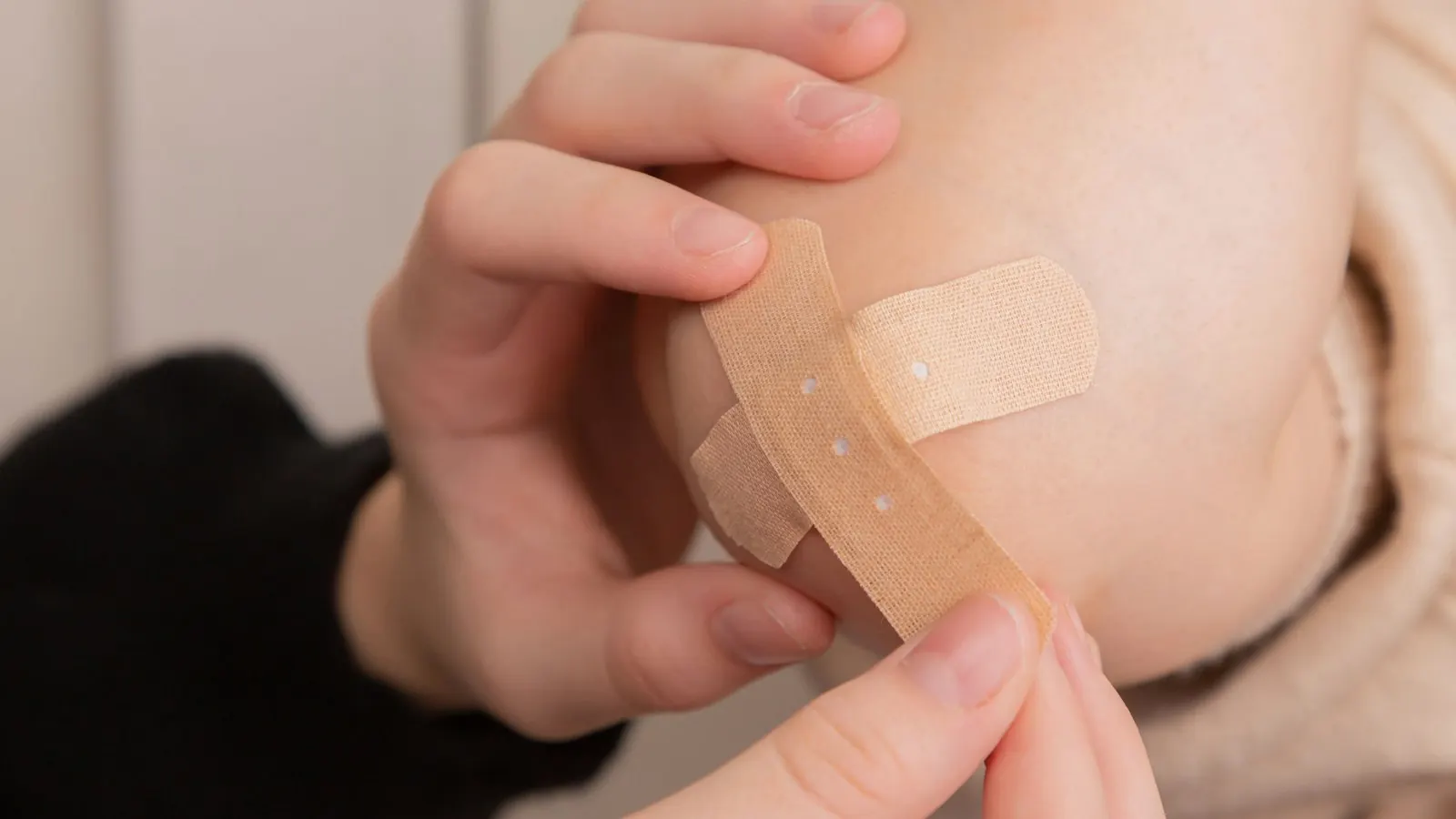
The two look similar at first, but they behave differently over time, and that difference guides treatment:
Depressed scars, such as acne or chickenpox scars, are a different type caused by loss of collagen, and they have different treatments.
Keloids are more likely in people with darker and medium skin tones, in those with a family history, and are most common between the teenage years and age thirty. The strong sun in our region also affects new scars, which can become darker and more noticeable if not protected.
Keloids appear most often on the earlobes, chest, shoulders, upper back and jawline. They can follow very minor injuries, such as ear piercing, acne, vaccination or burns, as well as surgical wounds such as a caesarean section.
Being prone to keloids does not mean every wound will become one, but it does mean prevention deserves extra attention. If you know that you or a parent tends to form them, treat inflamed acne early, do not pick at spots, and tell any doctor performing a skin procedure beforehand.
Good wound care from day one reduces inflammation and improves how the scar looks later. Follow the instructions of the doctor who treated the wound or performed the surgery. Helpful general steps include:
A dermatologist chooses treatment based on the scar's size, age, location and symptoms, and often combines more than one method, as a single treatment may not be enough:
Earlobe keloids are among the most common types and sometimes appear months after piercing. Do not cut or tie them off at home, as this can cause infection and make them come back larger.
After removal, doctors usually add a supporting treatment such as corticosteroid injections, and may advise special pressure earrings for several months to reduce recurrence. Anyone who has had a keloid on an ear is best advised not to pierce it again.
Most popular creams and oils have weak evidence and are not enough to treat a keloid. Silicone products have the best evidence for prevention and improvement, and your doctor can advise what suits you.
They are a common, well-established treatment when given by a specialist. They can sometimes thin the skin or change its colour around the scar, so the doctor adjusts the amount and the interval between sessions.
Yes, a raised or painful scar can be improved once it has fully healed. Some treatments may be postponed during pregnancy and breastfeeding, so discuss this with your doctor.
The realistic aim is a flatter, lighter and less symptomatic scar; complete removal is not usually possible.
See a dermatologist if a scar starts growing beyond the wound edges, becomes painful or very itchy, limits the movement of a joint, or if you develop more than one keloid. Any rapid change in an old scar, or bleeding or ulceration in it, also needs examination. You can book a consultation at Medical Care Clinics in Al-Shati Al-Gharbi, Dammam, close to Al-Khobar and Dhahran, where our dermatology team will assess the scar and suggest a treatment plan suited to its type and location.
This article is general health education and does not replace a medical examination. Every case needs its own assessment by a doctor.
Can platelet-rich plasma help hair loss or skin texture? An honest look at the evidence, who it does not suit, and what a session and aftercare involve.
Read articleWhy does beard hair need more sessions, and can laser help razor bumps on the neck? A guide for men on areas, sessions, preparation and side effects.
Read articleSummer humidity in the Eastern Province leaves skin shiny and sweaty, then air-conditioning dries it indoors. Here is a simple, light-layered routine that suits this changeable climate.
Read article