PRP for Hair and Skin: Does It Work, and Who Is It For?
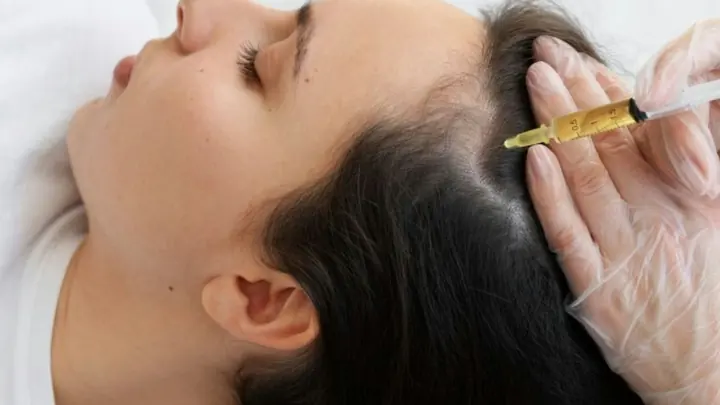
Can platelet-rich plasma help hair loss or skin texture? An honest look at the evidence, who it does not suit, and what a session and aftercare involve.
Read article
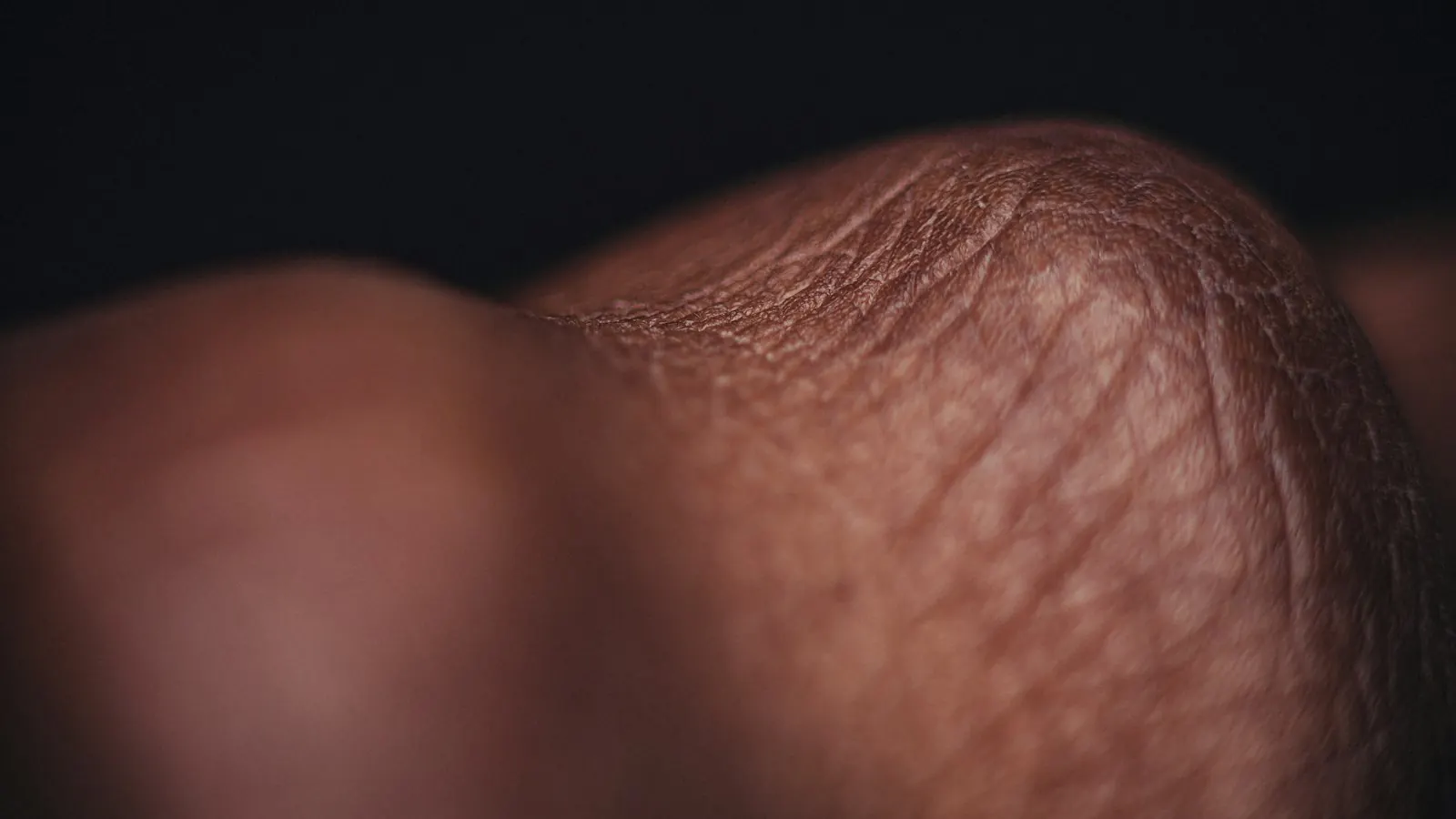
Psoriasis is a chronic immune condition that makes skin cells renew faster than normal, forming raised red or darker plaques covered with silvery scale, usually on the elbows, knees, scalp and lower back. It is not contagious at all, and it goes through calm and active phases. Although there is no permanent cure yet, modern treatments help many patients control it and live normally.
Psoriasis appears in different forms, and one patient can have more than one type:
Psoriasis is not contagious and does not spread through touch, sharing items or swimming. It is caused by an immune system imbalance that sends inflammatory signals making the skin renew too quickly. Genetics play a role, and another family member is often affected.
In some people psoriasis flares because of triggers, including stress, infections such as a sore throat, cuts and scratches (psoriasis can appear at the site of an injury), smoking, obesity, dry weather and air-conditioning, and certain medicines. Any medicine should only be stopped on the advice of the doctor who prescribed it.
Sometimes, yes, which is why doctors now treat it as a condition of the whole body, not just the skin. Some patients develop psoriatic arthritis, with joint pain, stiffness and swelling, especially in the morning, or a whole swollen finger. Finding it early matters to protect the joints from damage.
Moderate to severe psoriasis is also linked to a higher chance of obesity, high blood pressure, diabetes, abnormal cholesterol and heart disease, as well as anxiety and depression. Patients are therefore advised to have regular check-ups, follow a healthy lifestyle and talk openly with their doctor about their mood.
A dermatologist chooses treatment based on the type of psoriasis, how much skin it covers, where it is and how it affects the patient's life, often combining more than one option:
Daily care reduces flares and helps treatment work better: moisturise straight after showering, use lukewarm rather than hot water, and avoid scrubbing or forcibly removing scale. Scratch as little as possible and keep your nails short.
Some patients' skin improves with short, moderate sun exposure, but sunburn makes psoriasis worse, so do not use the sun as self-treatment. Stopping smoking, keeping a healthy weight, getting enough sleep and managing stress all help. If you fast in Ramadan and take medicines, discuss their timing with your doctor in advance.
If you are pregnant or planning a pregnancy, tell your doctor, because some psoriasis medicines are not suitable in pregnancy and need planning ahead.
There is no treatment yet that removes it permanently, but it can stay calm for long periods. Modern treatments allow many patients to reach almost clear skin or a major improvement, although response varies from person to person.
No diet cures psoriasis, but keeping a healthy weight and eating a balanced diet help control it and may improve the response to treatment. Be wary of extreme diets and remedies that promise a cure.
Cortisone creams are a core treatment and are safe when used as prescribed. Long-term unsupervised use can thin the skin, and suddenly stopping oral cortisone can trigger a severe flare, so treatment is managed with your doctor.
It can start in childhood, and guttate psoriasis may appear after a sore throat. A child needs a doctor's assessment, because treatments for children differ in type and dose from those for adults.
See a dermatologist if you have scaly plaques that do not improve, if psoriasis affects your sleep, work or confidence, or if you notice joint pain or swelling or changes in your nails. Seek urgent care if redness spreads over most of your body, or widespread pus-filled spots appear with fever or exhaustion. You can book a consultation at Medical Care Clinics in Dammam, where our dermatology team will assess your condition and set up a suitable treatment and follow-up plan with you.
This article is general health education and does not replace a medical examination. Every case needs its own assessment by a doctor.
Can platelet-rich plasma help hair loss or skin texture? An honest look at the evidence, who it does not suit, and what a session and aftercare involve.
Read articleWhy does beard hair need more sessions, and can laser help razor bumps on the neck? A guide for men on areas, sessions, preparation and side effects.
Read articleSummer humidity in the Eastern Province leaves skin shiny and sweaty, then air-conditioning dries it indoors. Here is a simple, light-layered routine that suits this changeable climate.
Read article