PRP for Hair and Skin: Does It Work, and Who Is It For?
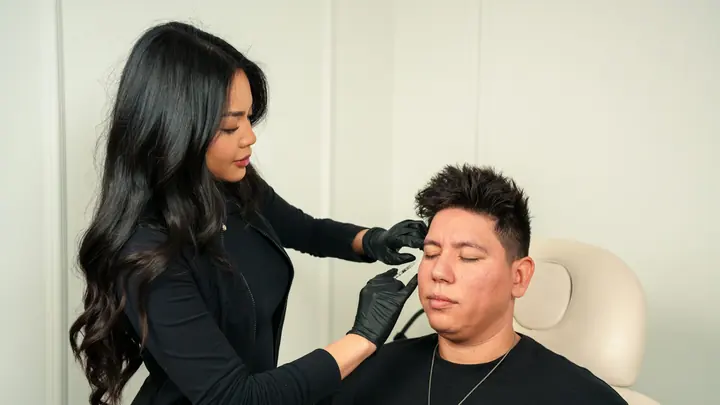
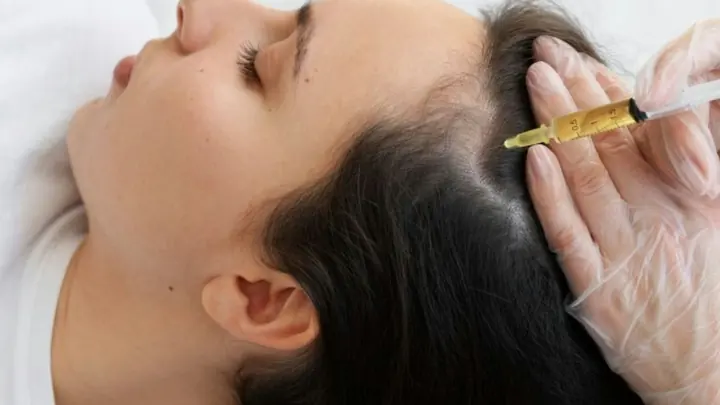
Can platelet-rich plasma help hair loss or skin texture? An honest look at the evidence, who it does not suit, and what a session and aftercare involve.
Read article
In hot, humid weather, oil and sweat glands work harder, so oily skin looks shiny just hours after washing. The answer is not to wash your face many times a day or to use harsh, drying products, as that irritates the skin and can increase oil. A successful routine is simple: a gentle cleanser twice a day, a light moisturiser, a suitable sunscreen and one active ingredient when needed.

Heat makes oil glands more active, and high humidity slows the evaporation of sweat, so sweat mixes with oil on the skin and adds shine and a heavy feeling. This is very noticeable in coastal cities such as Dammam, Al-Khobar and Jubail, where heat and humidity combine in the summer months.
At the same time, many of us spend long hours in air-conditioned spaces, and air-conditioning draws moisture from the skin. So skin can be oily on the surface yet lacking water underneath, showing signs of dehydration such as tightness and light flaking despite the shine.
This is one of the most common mistakes. Washing more than twice a day, or using strong soap or products high in alcohol, strips the skin's protective layer, leaving it irritated and dry, and it may become red and spotty.
Washing morning and evening with a gentle gel or foam cleanser is enough. If you sweat a lot after exercise or outdoor work, wash once more with lukewarm water or a light cleanser, then pat dry rather than rubbing.
A short routine you stick to is better than a long one you abandon after a week:
Many people with oily skin think moisturiser will add shine, but skin deprived of hydration gets irritated easily, especially with air-conditioning and active ingredients like acids and retinoids. What you need is a suitable non-comedogenic moisturiser, not no moisturiser.
Sunscreen is essential in the strong Eastern Province sun, because sun darkens the marks left by spots and weakens the collagen around pores. Choose one labelled non-comedogenic and reapply every two hours when outdoors, such as on Corniche or beach outings.
Some shine during the day is normal in summer, and you can control it without adding heavy layers:
If you work outdoors or on shifts in the heat, carry a light cleanser, a small sunscreen and blotting papers, so you can remove sweat and reapply protection without stressing your skin.
It may help clear pores and hydrate the skin without heaviness, giving a clearer look for weeks. But it complements the daily routine rather than replacing it, and your doctor will advise whether it suits your skin.
Skin oil production is controlled more by hormones and genetics than by food. A balanced diet is good for your general health, but it will not change your skin type.
Skin can be oily and dehydrated at the same time because of air-conditioning, harsh products or over-exfoliating. Cut back on strong products and add a light moisturiser; if flaking persists or redness appears, see a doctor, as it may be seborrhoeic dermatitis.
Skin type is largely genetic and does not change completely, but you can control oil and improve appearance with the right routine. In severe cases, a doctor may suggest prescription treatments.
See a dermatologist if oiliness comes with persistent inflamed spots, redness and flaking around the nose and eyebrows, or dark marks left by spots, or if you have followed a regular routine for 2 to 3 months without improvement. You can book a consultation at Medical Care Clinics in Al-Shati Al-Gharbi, Dammam, close to Al-Khobar and Dhahran, where our dermatology team will assess your skin and suggest a routine and treatments suited to the summer heat and humidity.
This article is general health education and does not replace a medical examination. Every case needs its own assessment by a doctor.
Can platelet-rich plasma help hair loss or skin texture? An honest look at the evidence, who it does not suit, and what a session and aftercare involve.
Read articleWhy does beard hair need more sessions, and can laser help razor bumps on the neck? A guide for men on areas, sessions, preparation and side effects.
Read articleSummer humidity in the Eastern Province leaves skin shiny and sweaty, then air-conditioning dries it indoors. Here is a simple, light-layered routine that suits this changeable climate.
Read article