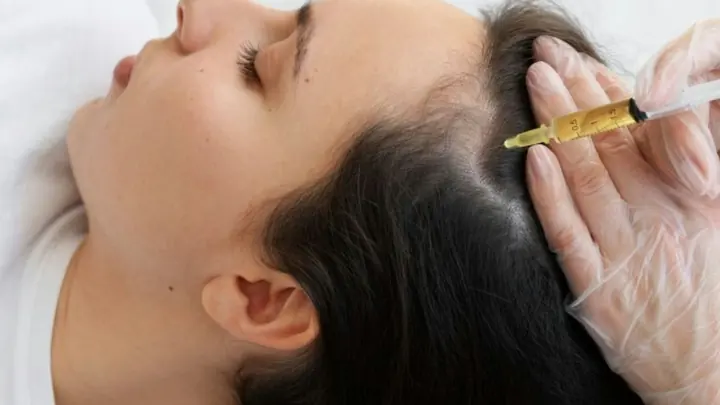
PRP for Hair and Skin: Does It Work, and Who Is It For?
Can platelet-rich plasma help hair loss or skin texture? An honest look at the evidence, who it does not suit, and what a session and aftercare involve.
Read article
Nail fungus is a common infection that makes nails thick, yellow or brittle, and it affects toenails more often than fingernails. Treatment takes a long time because medicine does not repair the infected part of the nail; it protects the new nail as it grows, so a healthy nail only appears once it has grown out completely, which takes months. The good news is that a correct diagnosis and sticking with treatment help many patients improve.
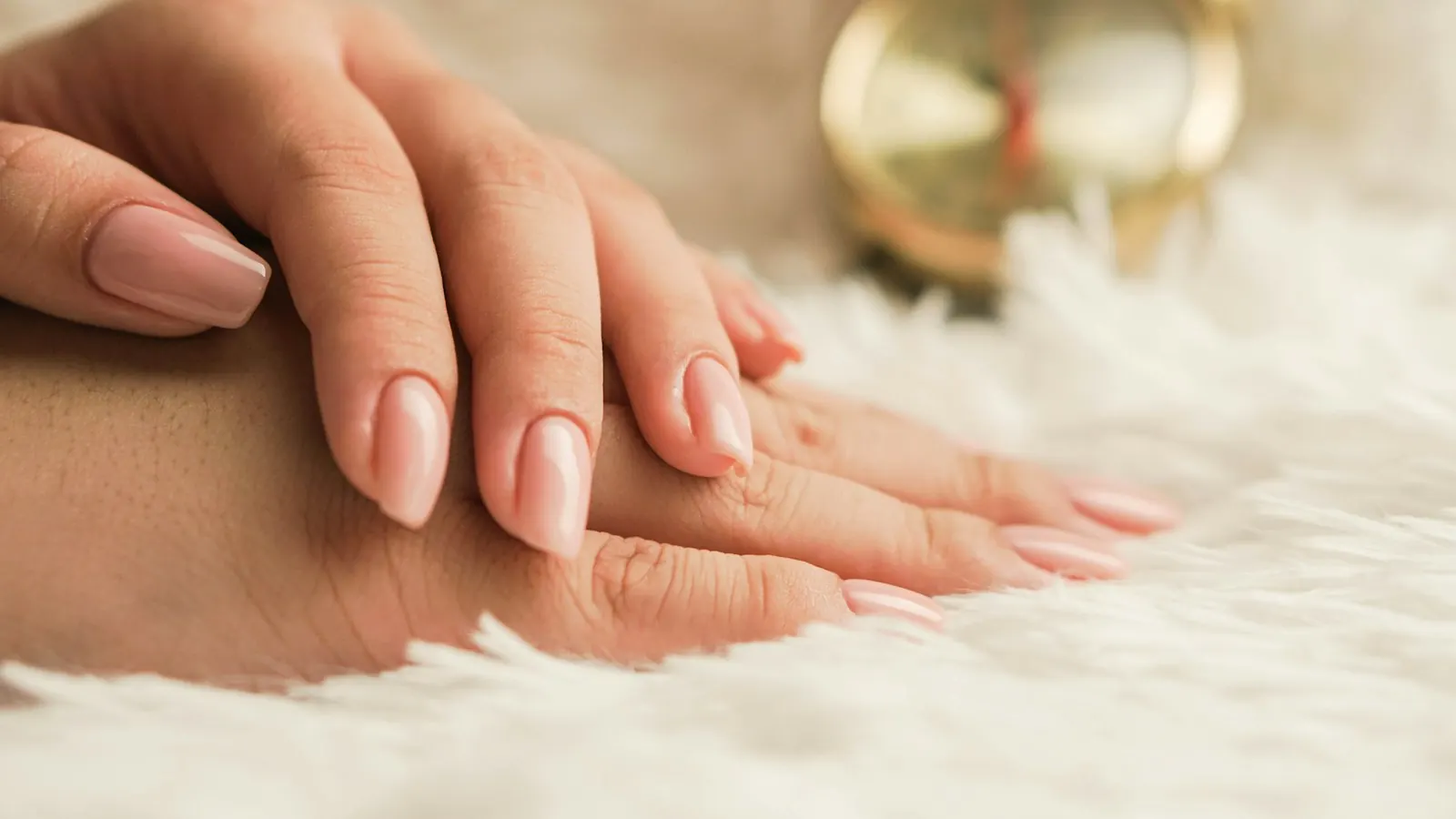
The infection often starts with the tip of the nail turning white or yellow, then the nail thickens, crumbles and may lift from the skin underneath. Common signs include:
However, not every abnormal nail is fungal; psoriasis, repeated injury from tight shoes and some other conditions can look very similar. That is why a doctor usually takes a small nail sample to examine under a microscope or culture before prescribing a long course of treatment.
Fungi thrive in warm, damp places, so infection is more common in people whose feet stay in closed shoes for long hours or who sweat a lot, especially in summer heat. The risk rises with age, diabetes, poor circulation in the feet and weakened immunity, and with walking barefoot in shared damp areas such as gym changing rooms and swimming pool showers.
Not drying well between the toes after showering or ablution also leaves moisture that helps fungi grow, and untreated athlete's foot can spread to the nails.
Your doctor chooses treatment based on how many nails are affected, how deep the infection is and your general health. With every option, results appear slowly: fingernails take about 6 months to grow out, and toenails about 12 to 18 months.
Even after a cure, the infection can return in some people, so prevention remains part of treatment.
Many people try vinegar, oils or ordinary creams for months without benefit, which delays proper treatment and lets the infection spread to other nails. Taking antifungal tablets without a prescription can cause liver side effects or serious drug interactions.
People with diabetes in particular need a doctor's assessment, because a thick nail can cut the skin and open the way to infection. Oral medicines are not usually used during pregnancy or breastfeeding, and children need a plan set by their doctor.
Prevention is about keeping feet clean and dry and limiting exposure to shared damp areas.
Yes, it can spread through shared damp surfaces or personal items such as clippers and towels, but it does not spread easily through handshakes or ordinary contact.
It is best to avoid cosmetic polish during treatment, as it traps moisture, hides progress and may reduce how well topical treatment penetrates. Ask your doctor if you need it for an occasion.
When you see clear, healthy nail growing from the base and gradually moving towards the tip. Your doctor assesses the response at follow-up visits.
Nail removal is rarely needed and is usually reserved for painful or severe cases, as decided by your doctor.
See a dermatologist if discolouration spreads to more than one nail, if the nail becomes painful or so thick it presses on the skin, if redness, swelling or pus appear around it, or if you have diabetes or weakened immunity. A new dark streak in a nail also needs a prompt check to make sure it is nothing else. You can book a consultation at Medical Care Clinics in Al-Shati Al-Gharbi, Dammam, close to Al-Khobar and Dhahran, where our dermatology team will examine your nails and choose the treatment that suits your case.
This article is general health education and does not replace a medical examination. Every case needs its own assessment by a doctor.
Can platelet-rich plasma help hair loss or skin texture? An honest look at the evidence, who it does not suit, and what a session and aftercare involve.
Read articleWhy does beard hair need more sessions, and can laser help razor bumps on the neck? A guide for men on areas, sessions, preparation and side effects.
Read articleSummer humidity in the Eastern Province leaves skin shiny and sweaty, then air-conditioning dries it indoors. Here is a simple, light-layered routine that suits this changeable climate.
Read article