PRP for Hair and Skin: Does It Work, and Who Is It For?
Can platelet-rich plasma help hair loss or skin texture? An honest look at the evidence, who it does not suit, and what a session and aftercare involve.
Read article
Excessive sweating (hyperhidrosis) means sweating more than the body needs to cool itself, even in cool conditions or at rest. It usually affects the underarms, palms, feet or face and can affect work and social life. The good news is that effective treatments exist, from strong antiperspirants to Botox injections and more, once a doctor has made sure there is no underlying medical cause.
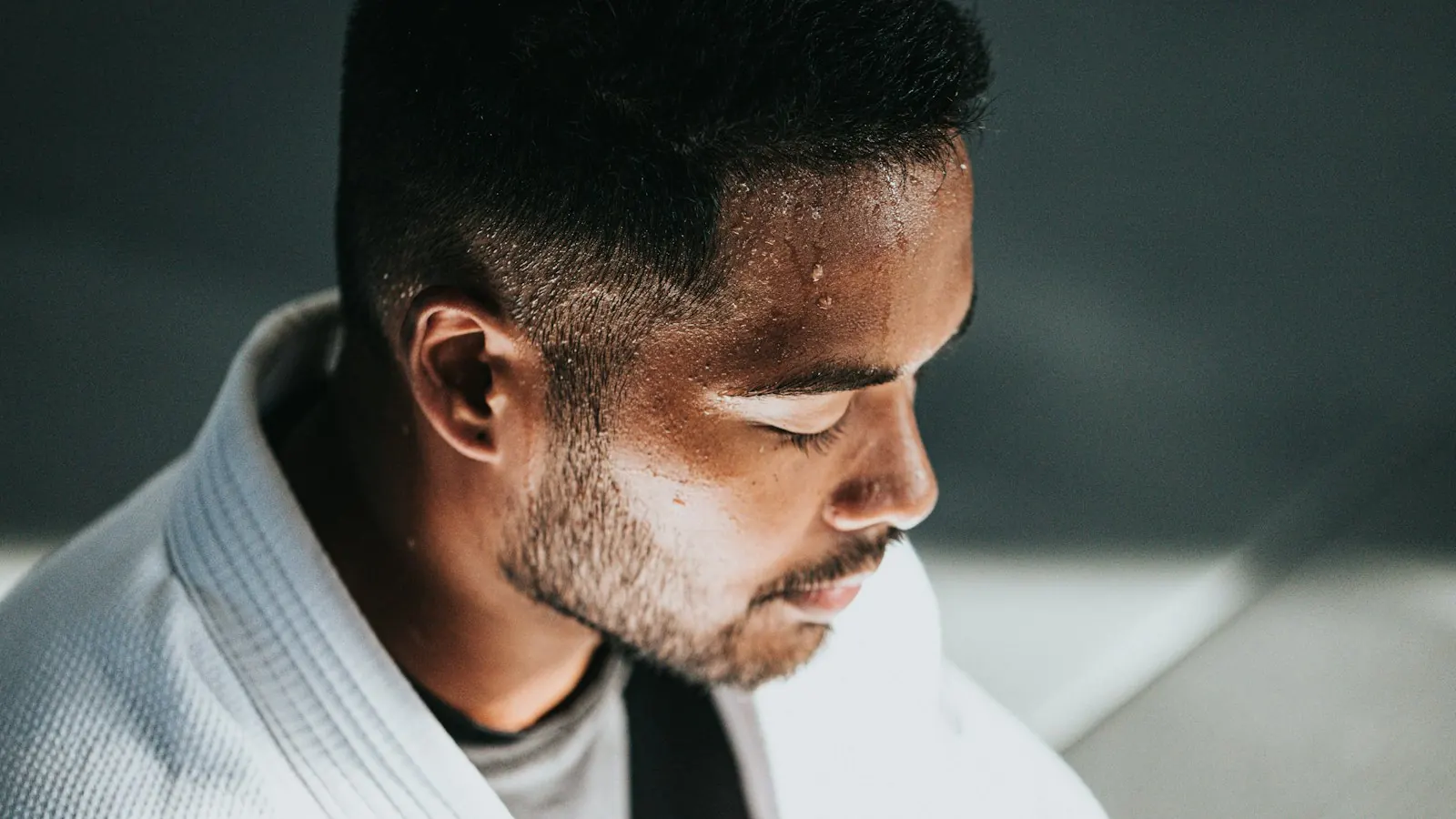
Sweating in summer heat or during exercise is normal, especially in a humid climate like the Eastern Province. Sweating is considered excessive when it is heavy enough to soak clothes or drip from the hands, happens in air-conditioning or without effort, has lasted 6 months or more, and affects daily activities such as shaking hands, writing, using your phone or choosing clothes.
Many people notice that the sweating eases or stops during sleep, affects both sides equally and began in childhood or adolescence, and more than one family member may have it.
Doctors divide it into two types, each managed differently:
Treatment usually starts with the simplest option and moves on if that is not enough. Your doctor chooses based on the area affected and how severe the sweating is:
Botox is botulinum toxin, injected in very small amounts just under the skin of the sweaty area, where it temporarily blocks the nerve signals that stimulate sweat glands. Results usually begin within a few days to two weeks and commonly last 4 to 6 months, sometimes longer, after which the treatment is repeated.
The injections use a fine needle, and they can be uncomfortable, especially on the palms, so a numbing cream or cooling is usually used. Possible effects include minor bruising and, on the palms, temporary weakness of grip. Botox is not recommended during pregnancy or breastfeeding or with certain nerve and muscle conditions, and your doctor decides whether it suits you after an assessment.
Medical treatment is the foundation, but some habits make sweating easier to live with: wear cotton or moisture-wicking sports fabrics, choose colours that do not show sweat, and carry a spare shirt on important days.
For the feet, use absorbent socks, alternate between two pairs of shoes and dry your feet well to reduce odour and fungal infections. Cut down on hot drinks, caffeine and spicy food if you notice they increase your sweating. If sweating makes you anxious or withdrawn, talk to your doctor; it is a recognised medical condition with solutions.
In most cases no; the most common type is primary focal hyperhidrosis, which is not linked to disease. However, sweating all over, night sweats or sweating that starts suddenly may point to a cause that needs checking.
The underarms hold only a small share of the body's sweat glands, and the body can still cool itself through the rest of the skin. The injections are given after a doctor's assessment to make sure they suit you.
Yes. Primary hyperhidrosis often starts at this age. Doctors usually begin with antiperspirants and iontophoresis and choose what suits the teenager's age and condition.
See a doctor if sweating gets in the way of work, study or social life, if strong antiperspirants have not helped, if it started suddenly or later in life, if you have night sweats that soak the bed, or if it comes with weight loss, fever or palpitations. You can book a consultation at Medical Care Clinics in Dammam, where our dermatology team will assess the cause of your sweating and discuss suitable options with you, including Botox injections.
This article is general health education and does not replace a medical examination. Every case needs its own assessment by a doctor.
Can platelet-rich plasma help hair loss or skin texture? An honest look at the evidence, who it does not suit, and what a session and aftercare involve.
Read articleWhy does beard hair need more sessions, and can laser help razor bumps on the neck? A guide for men on areas, sessions, preparation and side effects.
Read articleSummer humidity in the Eastern Province leaves skin shiny and sweaty, then air-conditioning dries it indoors. Here is a simple, light-layered routine that suits this changeable climate.
Read article