PRP for Hair and Skin: Does It Work, and Who Is It For?
Can platelet-rich plasma help hair loss or skin texture? An honest look at the evidence, who it does not suit, and what a session and aftercare involve.
Read article
Heat rash, medically called miliaria, is a common rash that happens when sweat ducts become blocked and sweat is trapped under the skin. It shows up as tiny clear or red bumps with itching or prickling, especially on the neck, chest, back and skin folds. In most cases it clears within a few days once the skin is cooled and kept away from heat and friction.
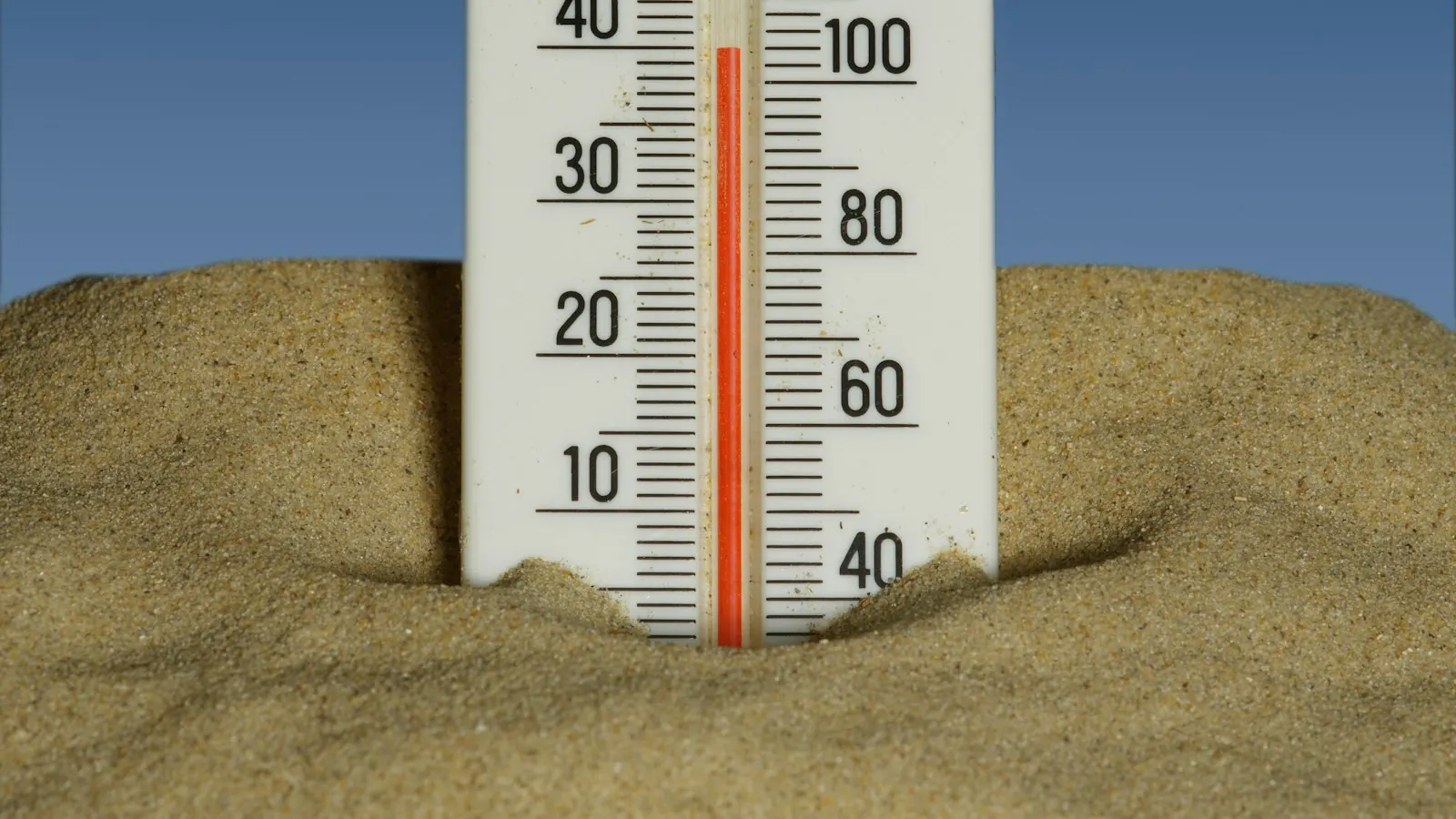
When the body sweats heavily in hot, humid weather, sweat may not reach the skin surface easily. The openings of the sweat glands become blocked and sweat leaks into the nearby layers of skin, causing irritation and a rash.
This blockage is more likely with tight or synthetic clothing, heavy bedding, thick greasy creams and ointments, lying in bed for long periods with a fever, or exercising in the heat. That is why heat rash is common in the humid summer months and in babies, whose sweat glands are not yet fully developed.
The rash looks different depending on how deep in the skin the sweat duct is blocked:
The most important step is to move the skin away from heat and let the sweat escape. Mild heat rash usually improves within a few days with these steps:
Babies are more prone to this rash, and the usual cause is being dressed too warmly; some parents wrap babies in several layers even in hot weather or under weak air-conditioning. A baby usually needs only one more layer than an adult would wear in the same conditions.
Dress your child in light cotton clothes, keep the room at a moderate temperature and avoid putting oils or heavy creams on the rash. Watch for warning signs: if a baby under 3 months has a temperature of 38°C or higher, seems unusually sleepy or is feeding poorly, or the rash spreads with a fever, see a doctor straight away, because fever at this age needs urgent assessment whatever the cause of the rash.
Many rashes look alike, and what seems to be heat rash may in fact be inflamed hair follicles, a fungal infection in the skin folds, an allergy to a product or fabric, or a viral rash. So if the rash does not improve after 3–4 days of cooling and ventilation, or looks different, it is best to have a doctor see it.
A doctor may prescribe a suitable topical treatment for severe itching or inflammation. Do not apply cortisone or antibiotic creams on your own, especially on a child's face or in skin folds, because using them in the wrong place can hide the real problem or make it worse.
It usually clears within a few days once the skin is cooled and kept away from heat. If it lasts more than 3–4 days or keeps coming back, see a doctor.
No. It is caused by blocked sweat ducts, not an infection, and does not spread through contact. However, heavy scratching can cause a secondary bacterial infection that needs treatment.
Some fragrance-free powders may help absorb sweat in adults, but powder is not recommended for babies because inhaling it can harm the lungs. Cooling and light clothing matter most.
It recurs in some people who sweat heavily or work in the heat. Adjusting clothing and ventilation and showering after activity greatly reduce flare-ups, and a doctor can assess frequent or severe cases.
See a doctor if the rash has not improved within 3–4 days, if pain or swelling increases, if you notice pus or red streaks around the bumps, if it comes with fever or chills, if a baby under 3 months has a high temperature, or if the rash keeps returning and disrupts your work or sleep. You can book a consultation at Medical Care Clinics in Dammam, where our dermatology team will examine the rash, confirm its type and prescribe suitable treatment if needed.
This article is general health education and does not replace a medical examination. Every case needs its own assessment by a doctor.
Can platelet-rich plasma help hair loss or skin texture? An honest look at the evidence, who it does not suit, and what a session and aftercare involve.
Read articleWhy does beard hair need more sessions, and can laser help razor bumps on the neck? A guide for men on areas, sessions, preparation and side effects.
Read articleSummer humidity in the Eastern Province leaves skin shiny and sweaty, then air-conditioning dries it indoors. Here is a simple, light-layered routine that suits this changeable climate.
Read article