PRP for Hair and Skin: Does It Work, and Who Is It For?
Can platelet-rich plasma help hair loss or skin texture? An honest look at the evidence, who it does not suit, and what a session and aftercare involve.
Read article
Many women notice heavy hair shedding about 2 to 4 months after giving birth. This is usually a temporary type of shedding called telogen effluvium, and hair typically returns to its usual thickness within about 6 to 12 months. But hair loss in women can also result from iron deficiency, thyroid problems or hormonal and genetic factors, which need testing and treatment. Knowing the type of hair loss is the first step to peace of mind.
During pregnancy, certain hormones rise and keep many hairs in the growth phase longer than usual, which is why many pregnant women find their hair thicker. After delivery these hormones drop suddenly, so these hairs enter the resting phase together and then shed a few weeks later.
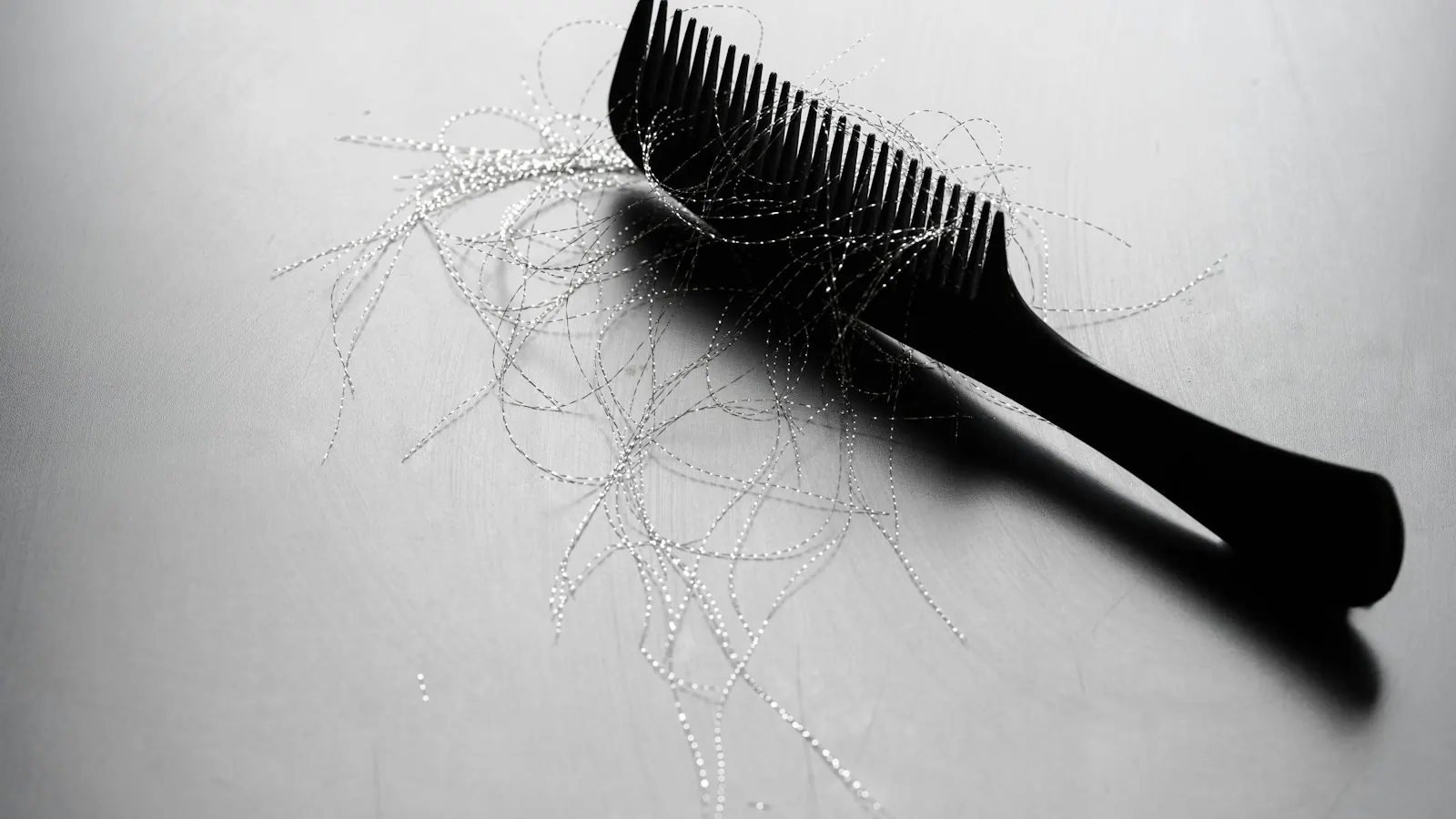
Shedding shows up as noticeable amounts in the brush, on the pillow and in the shower drain, and hair may thin at the temples and hairline. It is upsetting, but it does not mean baldness: the follicles are healthy and start producing new hair, sometimes seen as short hairs along the hairline.
If the shedding is not linked to childbirth, or lasts longer than expected, there may be another cause. Common ones include:
The doctor starts by asking when the shedding began and whether it relates to childbirth, illness or dieting, and about your periods and medicines, then examines your scalp and hair density, possibly with a dermatoscope.
Depending on the case, tests may include a blood count, iron stores (ferritin), thyroid function and vitamin D, plus hormone tests if there are signs of polycystic ovaries. Taking large amounts of iron or other supplements without testing is not advised, because too much can be harmful.
For postpartum shedding, the mainstay is reassurance and patience, with a balanced diet rich in protein and iron, and continuing the postnatal vitamins your doctor prescribes while breastfeeding.
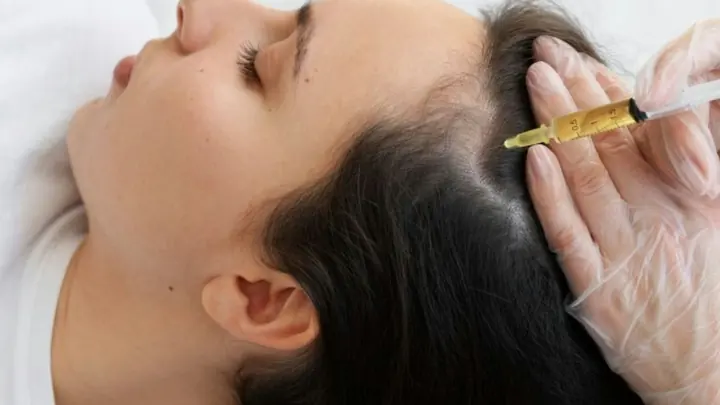
If iron deficiency or a thyroid problem is found, treating the cause gradually stops the shedding. For female pattern hair loss, the doctor may prescribe minoxidil or other prescription treatments, and may suggest supportive sessions such as platelet-rich plasma (PRP) injections. Most hair medicines are not used during pregnancy and breastfeeding without a doctor's advice, so always tell your doctor if you are breastfeeding or planning a pregnancy.
Gentle care does not stop temporary shedding, but it reduces breakage and improves how your hair looks until it recovers:
Postpartum shedding is caused by the drop in pregnancy hormones, whether or not the mother breastfeeds. But breastfeeding raises the body's need for nutrients and iron, so good nutrition matters.
People usually shed about 50 to 100 hairs a day as part of the normal hair cycle, and the number can rise during temporary shedding. More important than the count is noticing clear thinning or sparse areas.
For most women, yes, within about a year. If shedding continues beyond that or the top of the head stays thin, there may be another cause, such as iron deficiency or pattern hair loss, that needs checking.
Oils may soften hair and reduce breakage, but there is no strong evidence that they stop shedding caused by hormones or iron deficiency. Avoid burning mixtures that irritate the scalp.
See a dermatologist if shedding lasts more than 6 months, if clearly thin areas or bald patches appear, if it comes with severe tiredness, palpitations, weight changes or irregular periods, if your scalp is itchy, flaky or red, or if it is affecting your emotional wellbeing. You can book a consultation at Medical Care Clinics in Al-Shati Al-Gharbi, Dammam, close to Al-Khobar and Dhahran, where our dermatology team will assess the type of hair loss, request the right tests and make a safe plan that takes breastfeeding into account.
This article is general health education and does not replace a medical examination. Every case needs its own assessment by a doctor.
Can platelet-rich plasma help hair loss or skin texture? An honest look at the evidence, who it does not suit, and what a session and aftercare involve.
Read articleWhy does beard hair need more sessions, and can laser help razor bumps on the neck? A guide for men on areas, sessions, preparation and side effects.
Read articleSummer humidity in the Eastern Province leaves skin shiny and sweaty, then air-conditioning dries it indoors. Here is a simple, light-layered routine that suits this changeable climate.
Read article