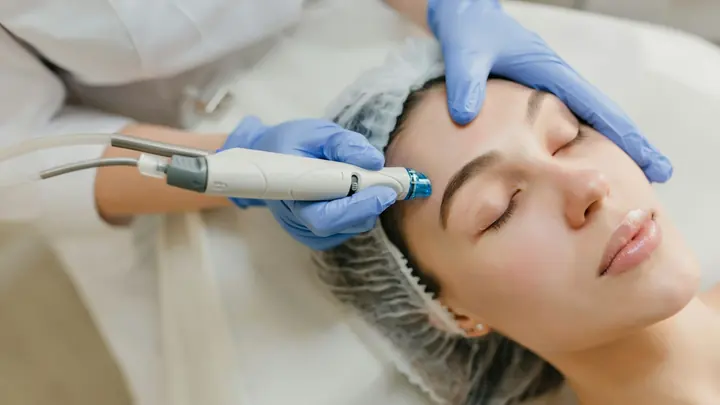
Laser Hair Removal: How It Works and How Many Sessions
How many laser sessions will you need, and is it right for your skin? A practical guide to preparation, aftercare, side effects and when to wait.
Read article
Losing 50 to 100 hairs a day is normal, because hair renews itself all the time. But if you notice more shedding than usual, or thinning at the front or crown, the cause may be a nutritional deficiency, stress, a hormonal change or inherited pattern hair loss. The good news is that most causes can be diagnosed, and many improve with early treatment.
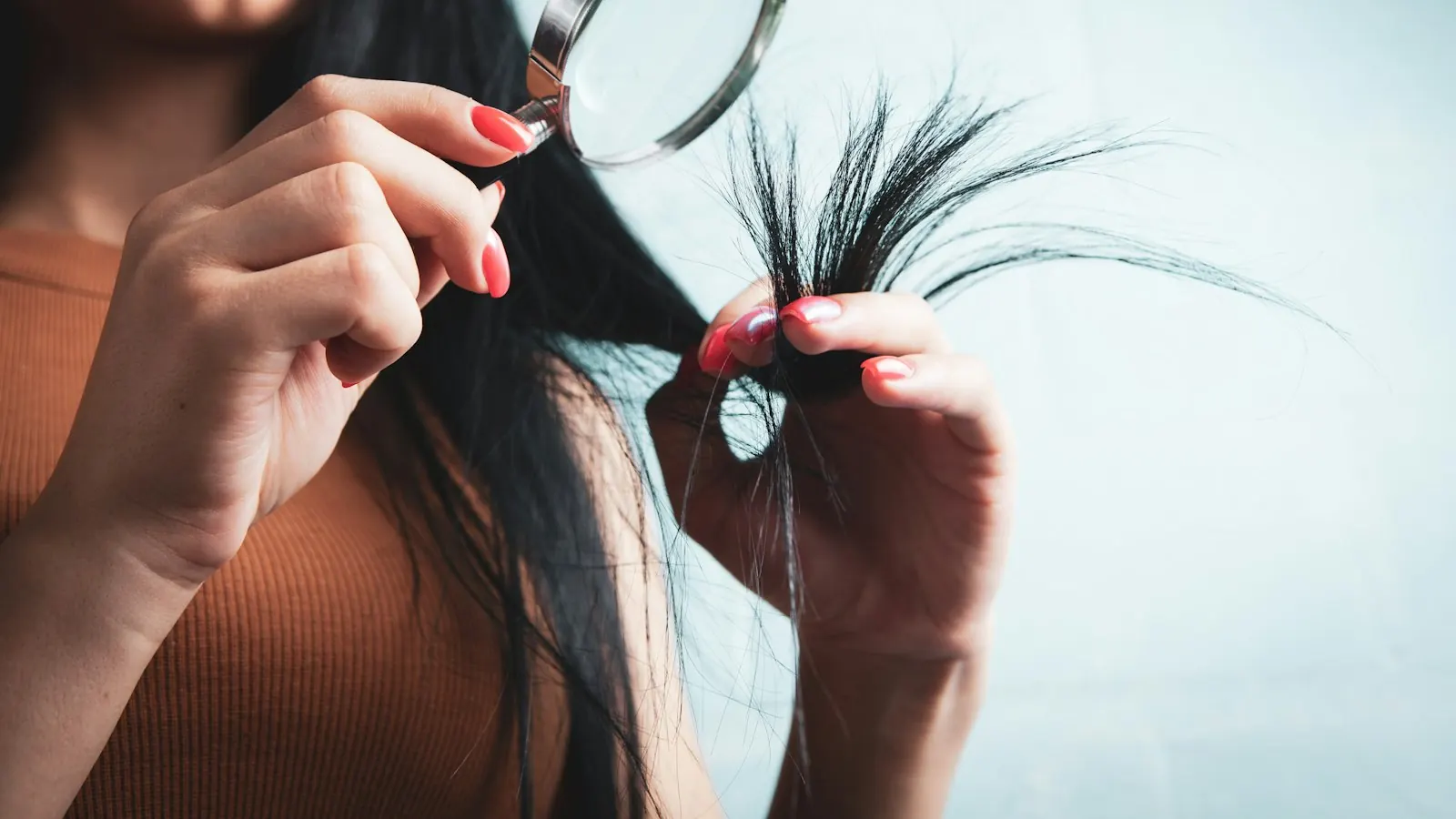
Temporary shedding, known medically as telogen effluvium, shows up as diffuse hair fall from the whole scalp: on your pillow, in your comb and in the shower. It usually starts 2 to 3 months after a stressful trigger such as an illness with fever, childbirth, a crash diet or severe emotional stress, and tends to settle within several months once the trigger has passed.
Pattern hair loss (androgenetic alopecia) develops slowly over years. In men it usually begins with a receding hairline or thinning at the crown; in women it more often shows as a widening parting while the front hairline stays in place. It does not stop on its own, but early treatment can help slow it down.
Often more than one cause is at work in the same person. The most common include:
The doctor will ask when the hair loss began, its pattern, your family history, your medicines and recent events in your life, then examine your scalp, possibly using a dermatoscope to look closely at the follicles.
Depending on the case, they may request blood tests such as a full blood count, iron stores, vitamin D and thyroid function, and sometimes hormone tests for women with signs like irregular periods, acne or extra facial hair. Occasionally a small scalp biopsy is needed.
Treatment depends on the cause. Correcting a deficiency or treating a thyroid problem may be enough for temporary shedding, while pattern hair loss usually needs long-term treatment.
Most treatments take 3 to 6 months of consistent use to show results. Common options include:
Most hair loss is not serious, but some signs deserve a prompt visit to the doctor:
Shampoo cleans the scalp and improves how hair looks, but it usually does not treat internal causes such as low iron or pattern hair loss. Some medicated shampoos help with dandruff or scalp inflammation.
In most cases, yes. It is temporary and improves gradually over about 6 to 12 months. If it continues beyond that, get checked for a deficiency or thyroid problem.
No. Shaving does not change the number of follicles or the thickness of each hair. Regrowth can feel a little coarser, but only temporarily.
Some hair loss treatments are not suitable in pregnancy or breastfeeding, so check with your doctor before using any treatment, even a topical one.
See a dermatologist if shedding lasts more than 3 months, if bald patches appear, if thinning is clearly getting worse, or if hair loss comes with an itchy or painful scalp or general symptoms such as severe tiredness. An early diagnosis saves you from trying many products that do not help. You can book a consultation with the dermatology and aesthetics department at Medical Care Clinics to find the cause of your hair loss and plan the right treatment.
This article is general health education and does not replace a medical examination. Every case needs its own assessment by a doctor.
How many laser sessions will you need, and is it right for your skin? A practical guide to preparation, aftercare, side effects and when to wait.
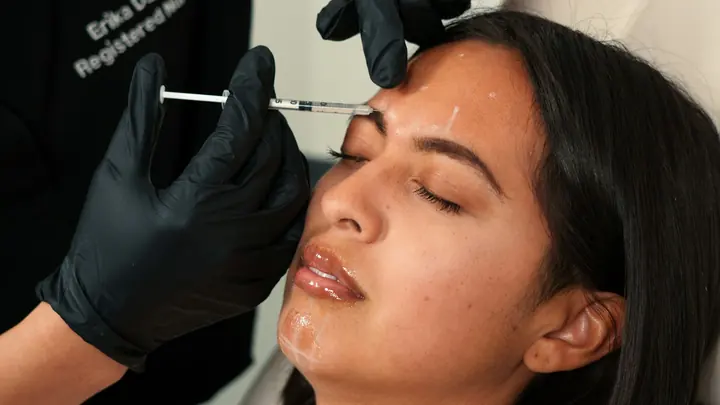
Read articleBotox relaxes muscles while filler restores volume. Learn how they differ, how long each lasts and how to choose the right doctor.
Read articleAcne is treatable, but the right treatment differs between mild, moderate and severe acne. Learn the options and when a doctor is needed.
Read article