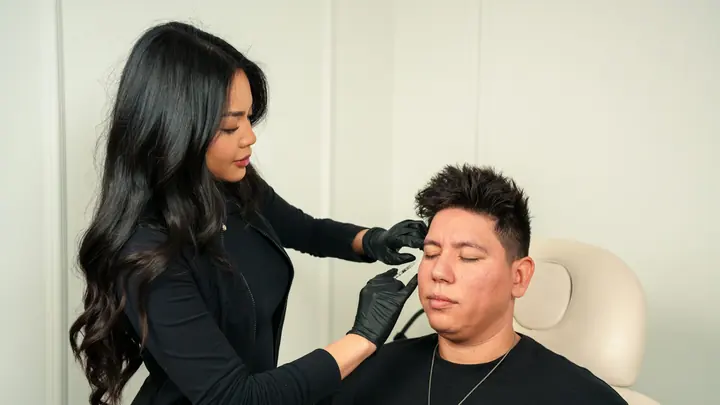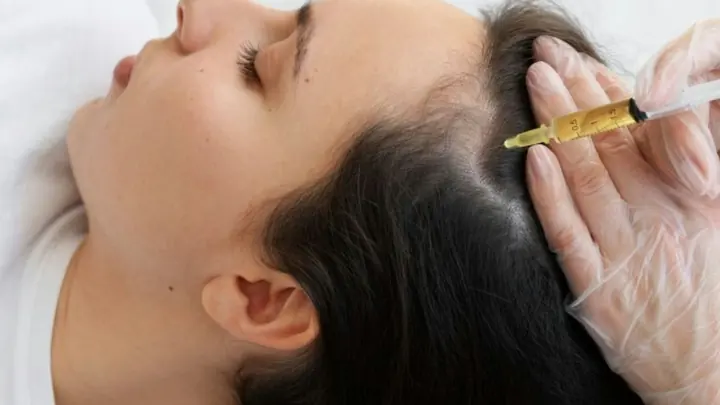
PRP for Hair and Skin: Does It Work, and Who Is It For?
Can platelet-rich plasma help hair loss or skin texture? An honest look at the evidence, who it does not suit, and what a session and aftercare involve.
Read article
Fungal skin infections are very common in hot, humid climates, because fungi grow in warm, damp places such as between the toes, in the groin and under the breasts. The best known are athlete's foot, groin fungus (jock itch), ringworm of the body, and tinea versicolor, which causes light or dark patches on the chest and back. Most respond well to the right treatment, provided the diagnosis is correct, the full course is completed and random creams are avoided.

Fungi need warmth and moisture to grow, and sweat that stays on the skin under tight clothing and closed shoes gives them the perfect environment. The risk is higher with obesity, diabetes, weakened immunity, heavy sweating and walking barefoot in damp public places such as swimming pools and gym changing rooms.
In the Eastern Province, with its long hot, humid months and hours spent in closed work shoes, many people notice that fungal infections return every summer unless their daily habits change.
Symptoms depend on where the infection is and which fungus causes it:
Most superficial fungal skin infections are treated with antifungal creams, sprays or washes. Use them once the diagnosis is confirmed and for as long as your doctor or pharmacist advises, usually continuing one to two weeks after the patch has cleared, because stopping early is one of the most common reasons infections return.
Widespread or recurrent infections, and infections of the nails or scalp, may need antifungal tablets. These are available only on prescription after a doctor's assessment, because some interact with other medicines or need monitoring. Nail fungus usually takes longer to treat, sometimes months, until a healthy nail grows out.
A common mistake is applying a cream containing cortisone, or a combination cream with cortisone and an antifungal, to any itchy red patch. Cortisone may calm the redness and itching for a while, but it weakens the skin's defences in that area, so the fungus spreads, changes appearance and becomes harder to diagnose and treat.
Long-term use of cortisone in skin folds can also thin the skin and cause permanent stretch marks. So use these creams only if a doctor prescribes them for a specific condition and a specific period.
Prevention depends on keeping the skin dry and stopping the infection spreading. These habits make a big difference:
Some are, such as athlete's foot and ringworm, which spread by direct contact or via damp floors, towels and shoes. Tinea versicolor is caused by a yeast that normally lives on the skin and is not considered contagious.
The fungus clears before skin colour returns, so light patches can remain for weeks or months until the tone evens out. This does not mean treatment failed, but your doctor may suggest occasional preventive treatment because it tends to return in summer.
Yes, especially ringworm of the scalp and body. Scalp ringworm in children usually needs prescription treatment, so do not rely on creams alone and see a doctor.
Yes. Eczema, psoriasis and some allergies can look similar. If a patch does not improve within two weeks of treatment, have a doctor examine it; they may take a small skin scraping to confirm.
See a dermatologist if a patch has not improved within two weeks of treatment, spreads or keeps coming back, affects the nails or scalp, or if your foot becomes swollen, red, painful or oozes pus. Seek advice early if you have diabetes or weakened immunity, or if the infection affects a child or a pregnant woman. You can book a consultation at Medical Care Clinics in Dammam, where our dermatology team will examine the patch, confirm its type and prescribe the right treatment and duration.
This article is general health education and does not replace a medical examination. Every case needs its own assessment by a doctor.
Can platelet-rich plasma help hair loss or skin texture? An honest look at the evidence, who it does not suit, and what a session and aftercare involve.
Read articleWhy does beard hair need more sessions, and can laser help razor bumps on the neck? A guide for men on areas, sessions, preparation and side effects.
Read articleSummer humidity in the Eastern Province leaves skin shiny and sweaty, then air-conditioning dries it indoors. Here is a simple, light-layered routine that suits this changeable climate.
Read article