Laser Hair Removal: How It Works and How Many Sessions
How many laser sessions will you need, and is it right for your skin? A practical guide to preparation, aftercare, side effects and when to wait.
Read article
Dry skin is very common, especially with air-conditioning and hot showers, and it usually improves with regular moisturising. Atopic eczema (atopic dermatitis) is a long-term inflammatory skin condition that causes intense itching and flares of redness that come and go. Daily care is similar for both, but eczema often needs medical follow-up and a plan for treating flares.
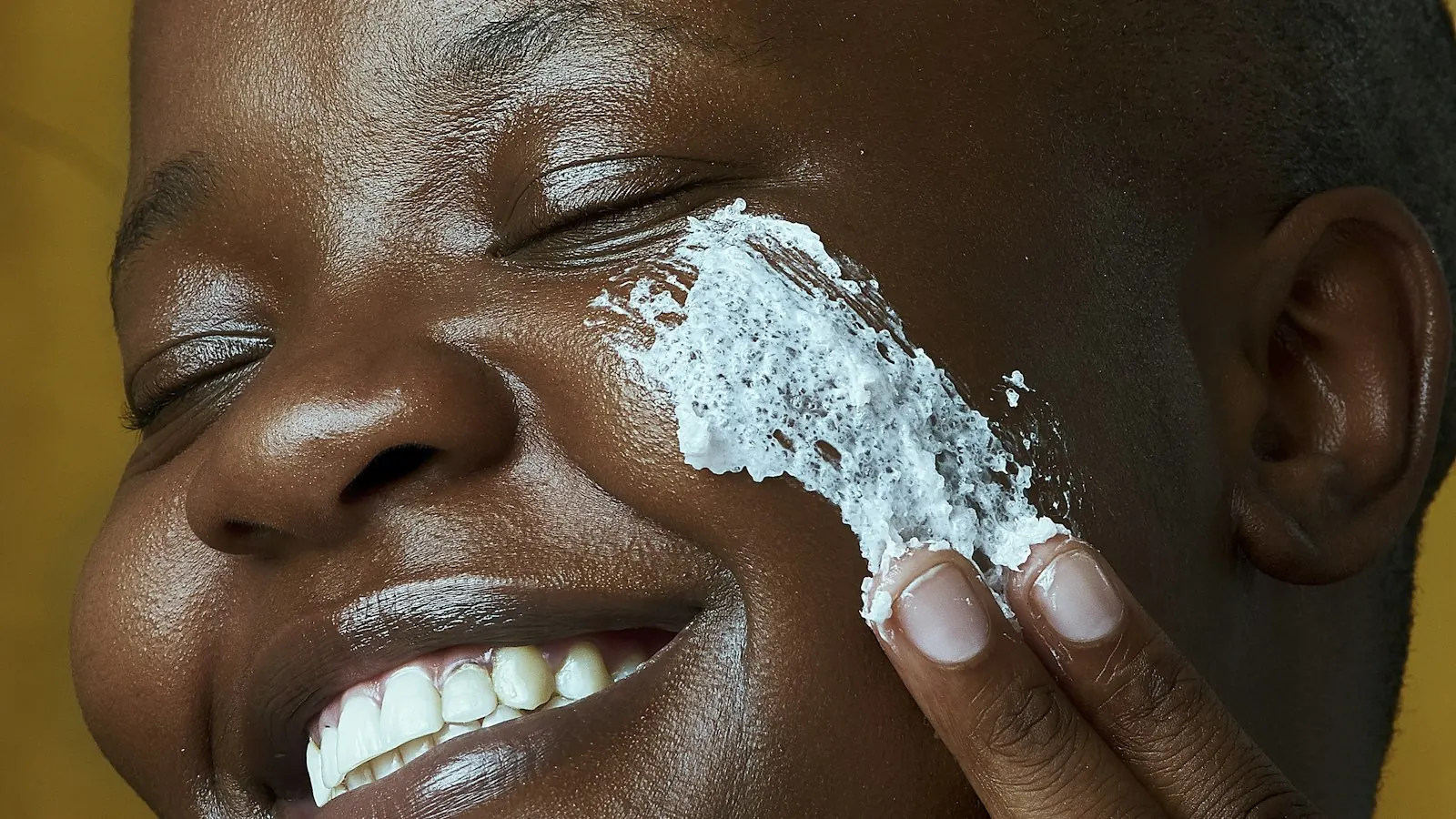
Dry skin feels rough or flaky and may itch a little. It usually improves within days of moisturising and changing a few habits, and often affects the legs, arms and hands. It can get worse with age, with hard water in some homes, and with fasting and low fluid intake.
Atopic eczema usually starts in childhood. The itch is intense and can disturb sleep, with red or darker patches and sometimes weeping or cracking. In babies it tends to appear on the face and cheeks; in older children and adults, in the creases of the elbows, knees and neck. There is often a family history of asthma, hay fever or eczema.
Triggers differ between people, and knowing yours helps reduce flares. Common ones include:
Regular moisturising is the foundation of care for both conditions, and how you apply it matters as much as which product you choose:
When itching and redness flare, keep moisturising rather than stopping, keep nails short, use cool compresses to ease the itch and wear loose cotton clothing. Keeping your moisturiser somewhere cool can make it more soothing on itchy skin. Try not to scratch, as scratching increases inflammation and opens the door to infection.
If a flare does not settle within a few days, or you notice weeping, yellow crusts or pain, see a doctor, as the skin may be infected and need specific treatment.
Topical corticosteroids are a mainstay of treatment for eczema flares and are safe when used correctly. The doctor chooses the strength according to the patient's age and the location and severity of the eczema: the face, skin folds and children's skin need milder types than the hands and feet. The doctor also sets how long to use it and how to stop.
Using strong creams without supervision, for long periods, or buying unlabelled mixtures that contain steroids can thin the skin and cause marks and pigmentation. On the other hand, excessive fear and stopping treatment too early prolongs the flare. Your doctor may also prescribe other treatments for frequent or severe eczema.
Eczema is common in babies and children, and many improve as they grow. Use short baths in lukewarm water, a fragrance-free moisturiser several times a day and soft cotton clothes, and keep your child's nails short.
Do not use adult creams or home remedies on a child's skin, and do not cut foods out of their diet without medical advice, as unnecessary restriction can affect growth. If your child is a baby, or the eczema covers large areas, see the doctor before using any medicated cream, so they can choose the right type and strength for their age.
No. Eczema is not contagious and does not spread by touch. However, affected skin can pick up a bacterial or viral infection that needs treatment.
Atopic eczema is a long-term condition that comes in flares, and many children improve with age. The aim of treatment is to control symptoms and reduce the number of flares.
Greasy ointments such as petroleum jelly lock in moisture well and work especially well on damp skin after a shower. Some people prefer creams during the day because they feel lighter.
In some children certain foods can make eczema worse, but this does not apply to everyone. Do not cut out foods without a medical assessment.
See a dermatologist if itching keeps you or your child awake, if dryness has not improved after two weeks of regular moisturising, if there is weeping, yellow crusting, pain or fever, if eczema is spreading or flaring often, or if you are pregnant and need treatment. You can book a consultation with the dermatology and aesthetics department at Medical Care Clinics to confirm the diagnosis and get a plan for moisturising and treating flares that suits you or your child.
This article is general health education and does not replace a medical examination. Every case needs its own assessment by a doctor.
How many laser sessions will you need, and is it right for your skin? A practical guide to preparation, aftercare, side effects and when to wait.
Read articleBotox relaxes muscles while filler restores volume. Learn how they differ, how long each lasts and how to choose the right doctor.
Read articleAcne is treatable, but the right treatment differs between mild, moderate and severe acne. Learn the options and when a doctor is needed.
Read article