PRP for Hair and Skin: Does It Work, and Who Is It For?
Can platelet-rich plasma help hair loss or skin texture? An honest look at the evidence, who it does not suit, and what a session and aftercare involve.
Read article
Darkening of areas such as the underarms, knees, elbows, inner thighs and neck is common, especially in olive and darker skin, and is usually harmless. Treatment starts with finding the cause: friction or shaving irritation, darkening after inflammation, or a sign of insulin resistance. It can then be lightened gradually with gentle care and treatments prescribed by a doctor, such as chemical peels, although results take patience and vary from person to person.
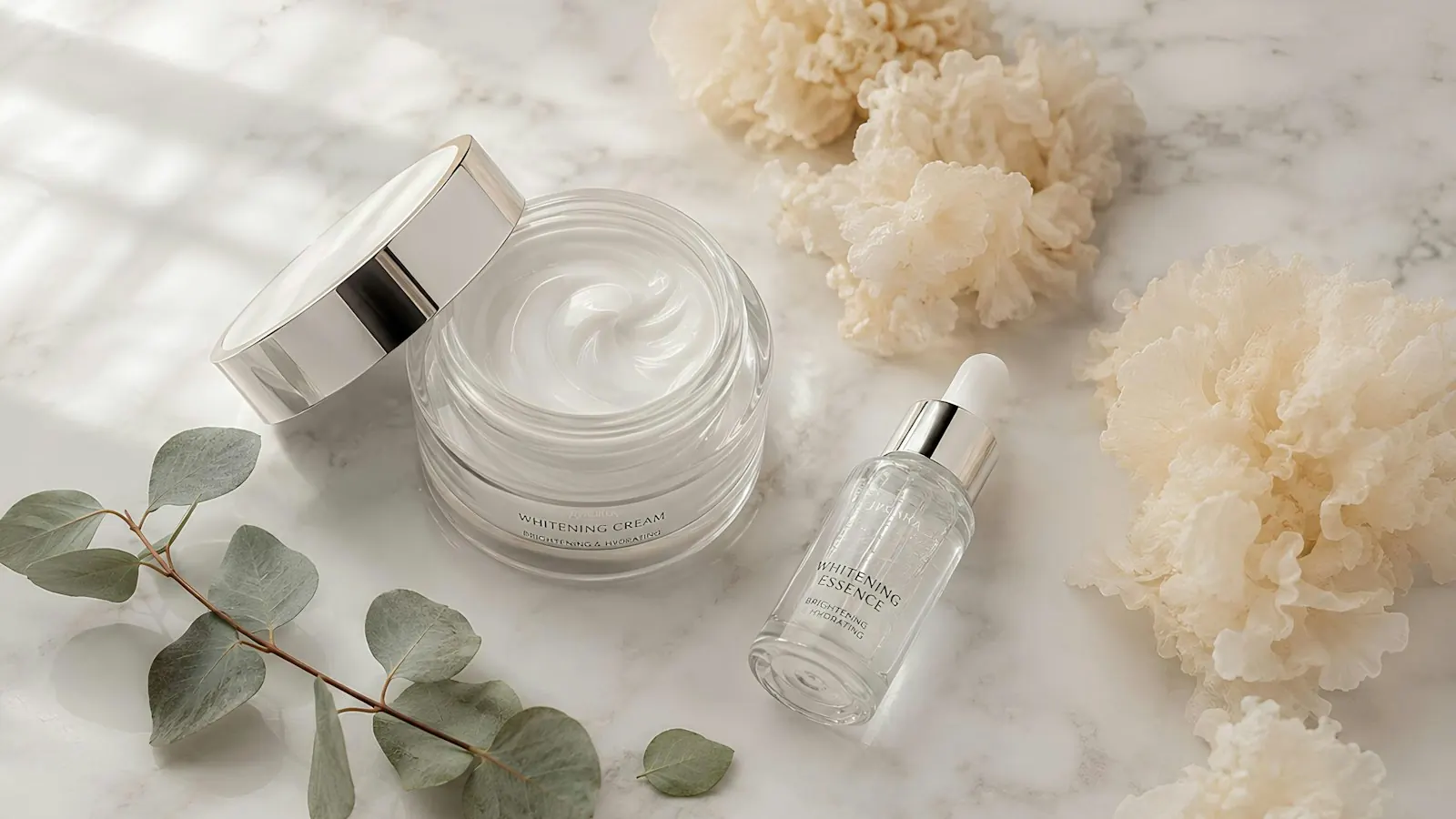
Skin responds to repeated irritation by producing more pigment, and areas that rub against each other or against clothing, or that are shaved and plucked often, are the most affected. Common causes include:
Acanthosis nigricans appears as thick, dark skin with a velvety feel, usually on the back and sides of the neck, the underarms and the groin, sometimes with small skin tags. It is strongly linked to excess weight and insulin resistance, may be an early sign of prediabetes, and in some women is linked to polycystic ovary syndrome.
If you notice this type of darkening, do not rely on creams alone; ask your doctor to check your blood sugar and overall health. With weight loss, more activity and better insulin control, the darkening often fades gradually. Rarely, acanthosis nigricans appears suddenly and widely in someone without these risk factors, which needs prompt medical assessment.
The first step is to stop the cause, because no treatment works while friction or irritation continues. A dermatologist then chooses what suits the type of darkening and your skin tone:
A chemical peel uses agents that remove the surface layer of skin in a controlled way, so cells renew and pigment build-up fades. In sensitive areas such as the underarms and inner thighs, doctors usually use gentle superficial peels over several sessions a few weeks apart, because a strong peel can cause irritation that darkens the skin instead of lightening it.
Results are gradual and you may need several sessions to notice a difference; how much the area improves varies from person to person. After a session there may be some redness or light peeling, and you will usually be asked to avoid shaving and irritating products for a few days and keep moisturising.
Many recipes and mixtures circulate for lightening dark areas, and some harm the skin and increase pigmentation. Avoid rubbing the area with lemon, baking soda, salt or a rough loofah; these irritate the skin and can cause burns and inflammation that leave darker marks.
Stay away from creams of unknown origin and mixtures that may contain cortisone or mercury, which can thin the skin and cause serious side effects. And do not combine several exfoliating products without medical supervision.
Darkening improves clearly in many people with treatment and removing the cause, but an exact colour match cannot be guaranteed, especially if the area is naturally darker. The realistic goal is to lighten it and even out the tone as much as possible.
It can return if friction or irritation returns or insulin resistance continues. Gentle daily care and prevention therefore remain part of long-term treatment.
They can be suitable when the right type and strength are chosen under a doctor's supervision, because darker skin is more prone to pigmentation after irritation. Strong at-home peels are not recommended.
Some areas darken during pregnancy because of hormones, and this often fades after delivery. Some creams and peels are not suitable during pregnancy and breastfeeding, so talk to your doctor before any treatment.
See a dermatologist if darkening appears suddenly or spreads quickly, if it is thick and velvety on the neck and underarms, if it comes with itching, scaling or pain, if it has not improved despite reducing friction and gentle care, or if you are considering a peel or laser. You can book a consultation at Medical Care Clinics in Dammam, where our dermatology team will identify the cause and suggest a treatment plan suited to your skin tone.
This article is general health education and does not replace a medical examination. Every case needs its own assessment by a doctor.
Can platelet-rich plasma help hair loss or skin texture? An honest look at the evidence, who it does not suit, and what a session and aftercare involve.
Read articleWhy does beard hair need more sessions, and can laser help razor bumps on the neck? A guide for men on areas, sessions, preparation and side effects.
Read articleSummer humidity in the Eastern Province leaves skin shiny and sweaty, then air-conditioning dries it indoors. Here is a simple, light-layered routine that suits this changeable climate.
Read article