PRP for Hair and Skin: Does It Work, and Who Is It For?
Can platelet-rich plasma help hair loss or skin texture? An honest look at the evidence, who it does not suit, and what a session and aftercare involve.
Read article
Dandruff is the shedding of white or yellowish flakes from the scalp, often with itching. It is not a sign of poor hygiene; its most common cause is a frequent condition called seborrhoeic dermatitis, linked to a yeast that normally lives on the skin. Most cases improve with a suitable medicated shampoo used the right way, but dandruff can return, so many people need regular preventive use.
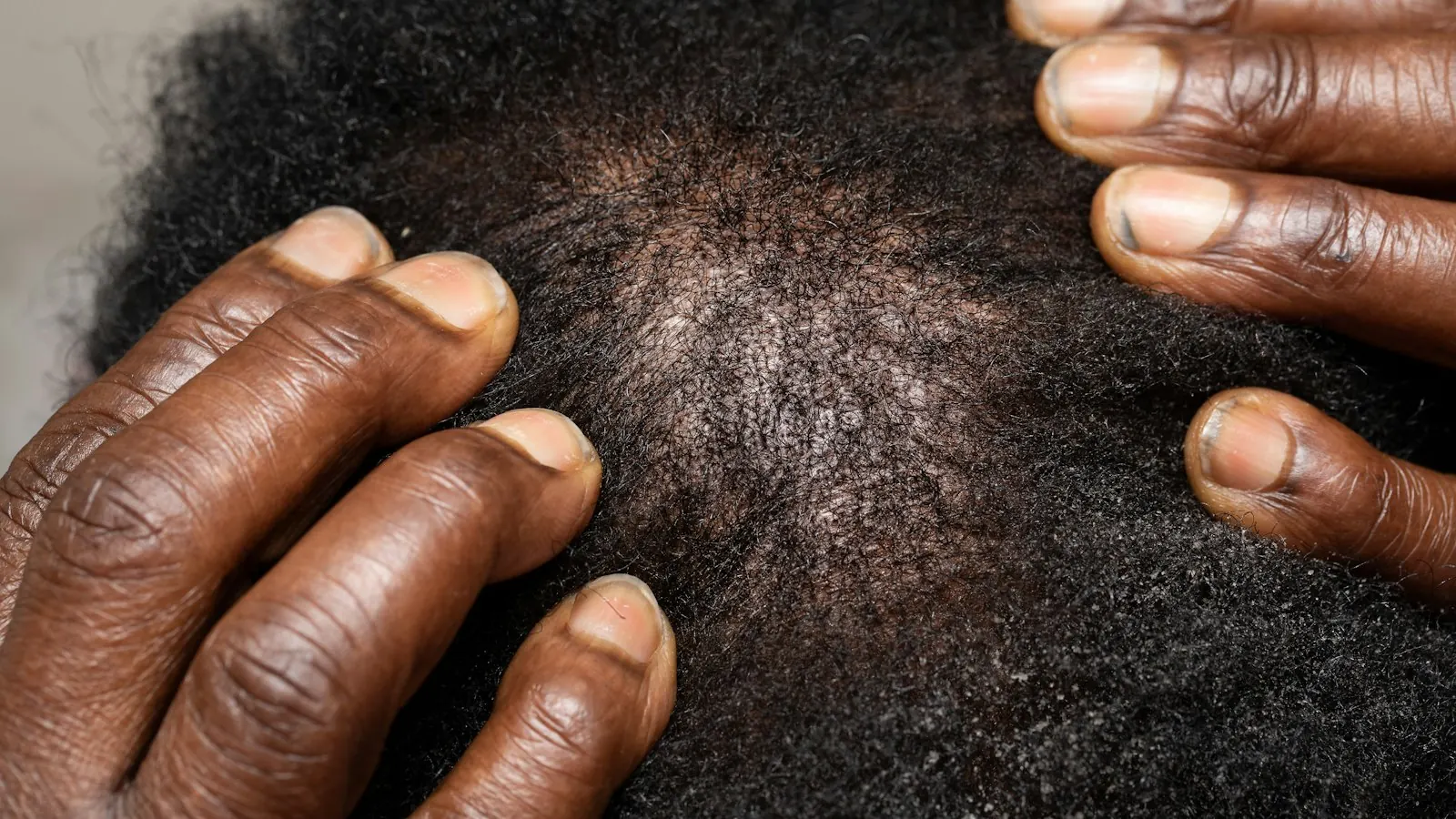
Not all scalp flakes are the same, and knowing the cause determines the right treatment:
Stress, lack of sleep and the weather, whether heat and sweating or air-conditioning dryness, make dandruff worse for many people.
Medicated shampoo is the mainstay of treatment for dandruff caused by seborrhoeic dermatitis, and it varies by active ingredient:
If there is no improvement after 4 weeks with one type, try one with a different active ingredient, or alternate between two.
Many people say medicated shampoo did not work for them, and the reason is often how it was used. Massage it into the scalp itself, not the lengths of the hair, leave it on for 3 to 5 minutes so it can work, then rinse well.
Use it two to three times a week at first until things improve, then once a week or every two weeks to prevent it coming back. You can use a gentle regular shampoo on other days, and conditioner on the ends if your hair feels dry.
Alongside shampoo, these habits help ease dandruff and itching:
If the scales are thick and silvery in defined patches, or there are bald patches, painful swellings or pus, or clear hair loss along with the flakes, the cause may be psoriasis, a fungal infection or something else, each needing a different diagnosis and treatment.
In children especially, flaking with patches of broken hair may be a scalp fungal infection, which needs oral treatment prescribed by a doctor; shampoo alone is not enough.
Dandruff from seborrhoeic dermatitis or dryness is not contagious. Scalp fungal infections and lice are contagious, so any suspicion of them needs an examination.
Ordinary dandruff does not cause baldness, but heavy scratching and inflammation can increase shedding temporarily. If hair loss is noticeable, see a doctor to find the cause.
Greasy scalp scales in babies are common, harmless and usually clear on their own. Gentle washing and softening the scales are usually enough; do not use adult medicated shampoo on a baby without asking a doctor.
Some medicated shampoos are generally considered suitable because little is absorbed through the skin, but check with your doctor or pharmacist before use, especially with coal tar.
See a dermatologist if dandruff has not improved after 4 to 6 weeks of using medicated shampoo correctly, if itching is severe enough to disturb sleep, if there is spreading redness or thick scaling on the forehead and ears, if it comes with hair loss, bald patches or pus, or if a child has flaking with broken hairs. You can book a consultation at Medical Care Clinics in Al-Shati Al-Gharbi, Dammam, close to Al-Khobar and Dhahran, where our dermatology team will examine your scalp and find the cause and the right treatment.
This article is general health education and does not replace a medical examination. Every case needs its own assessment by a doctor.
Can platelet-rich plasma help hair loss or skin texture? An honest look at the evidence, who it does not suit, and what a session and aftercare involve.
Read articleWhy does beard hair need more sessions, and can laser help razor bumps on the neck? A guide for men on areas, sessions, preparation and side effects.
Read articleSummer humidity in the Eastern Province leaves skin shiny and sweaty, then air-conditioning dries it indoors. Here is a simple, light-layered routine that suits this changeable climate.
Read article