How Often Should You Get a Dental Check-up and Cleaning?
Every 6 months is the common average, but the right interval depends on your gums and teeth. Here is what happens in the visit and how to care for your teeth afterwards.
Read article
Clear aligners and conventional braces, metal or ceramic, both give good results when the right option is chosen for the case. Clear aligners usually suit mild to moderate cases in people who will wear them 20–22 hours a day, while fixed braces handle every level of complexity without relying on you to remember. An orthodontist decides which option fits best after an examination and X-rays.
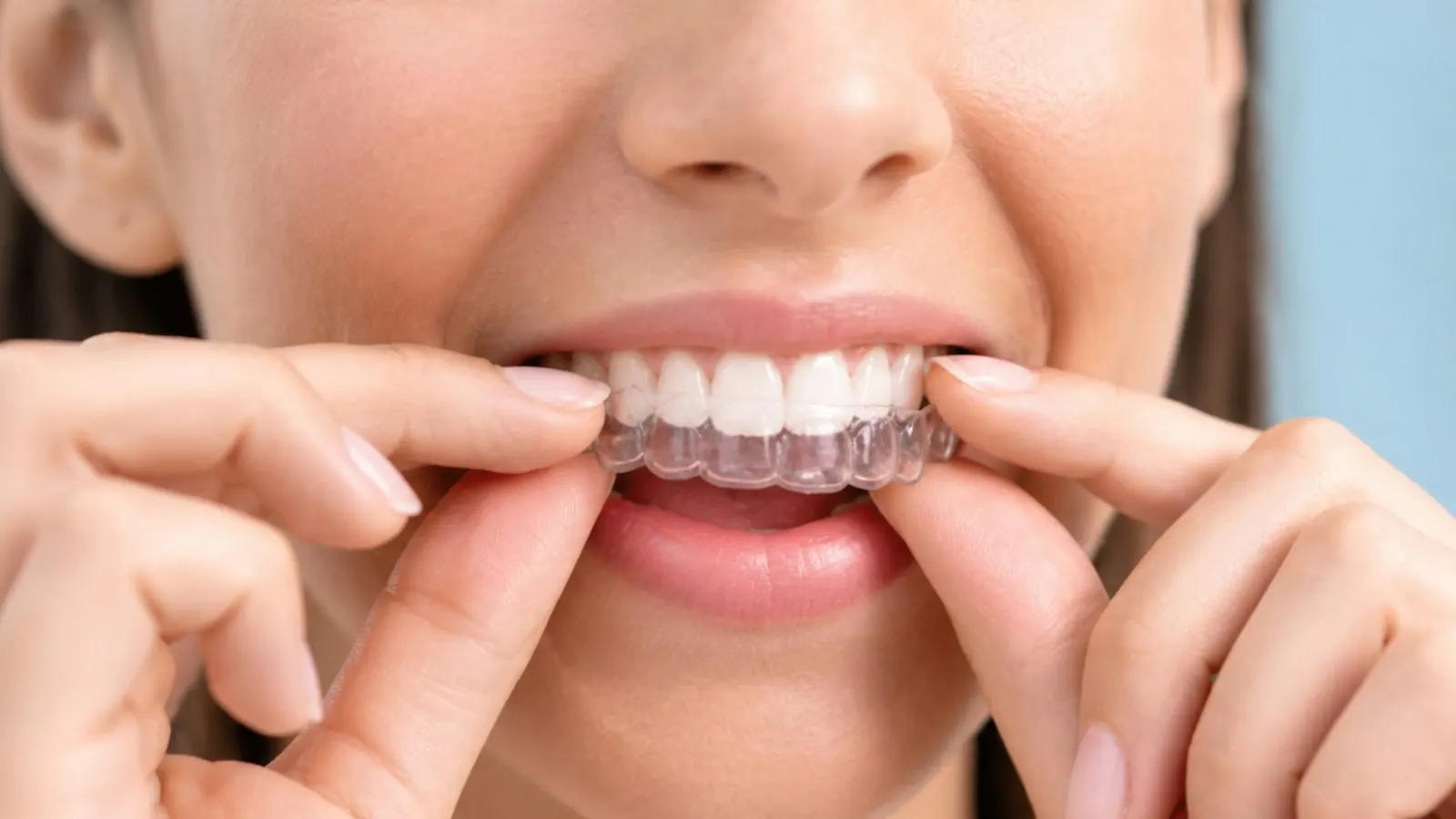
Clear aligners are a series of digitally designed transparent plastic trays. Each tray is usually changed every 1–2 weeks and moves the teeth a small step each time. They come out for eating and brushing and are almost invisible.
Fixed braces are small brackets bonded to the teeth and linked by a wire that the orthodontist adjusts at regular visits. Metal brackets are the most durable; ceramic brackets are tooth-coloured and less visible but more prone to chipping, and the ties around them can stain with coffee and tea.
Aligners have advanced a lot, but the choice depends on how complex the case is, the type of movement needed and how committed you are:
Duration varies widely by case. Simple cases may finish in about 6 months, most fixed-brace treatments take one to two years, and complex cases can take longer. Clear aligners for mild to moderate cases usually take 6 to 18 months.
Aligner success depends on you: trays must be worn 20–22 hours a day and removed only to eat, drink anything other than water, and brush. Every hour without them slows progress and may mean extra trays and a longer treatment.
After braces or aligners, teeth tend to drift back towards their old positions, especially in the first months. That is why a retainer is an essential part of treatment, not an optional extra.
There are two types: a fixed retainer, a thin wire bonded behind the front teeth, and a removable clear retainer similar to an aligner. The removable one is usually worn most of the time at first, then only at night, and many orthodontists advise night-time wear for many years because teeth can keep shifting with age.
Yes. There is no upper age limit as long as the gums and supporting bone are healthy. Many adults choose orthodontics to improve appearance, make crowded teeth easier to clean, or prepare for implants or other restorations.
Teeth may move a little more slowly in adults, and gum inflammation must be treated before starting and monitored during treatment. Many adults prefer clear aligners or ceramic braces because they are less noticeable at work and social occasions. Pregnant women should tell their orthodontist, as X-rays and some steps may be postponed.
Neither is always faster; it depends on the case. In simple cases the times may be similar, in complex cases fixed braces usually offer more control, and with aligners your wear time sets the pace.
Most people feel pressure or mild soreness for a few days after braces are fitted, a new tray is started or the wire is adjusted, and it fades gradually. Brackets can rub the cheeks at first, which orthodontic wax helps ease.
It is best to remove them before drinking anything except water, as hot drinks can warp the trays, coloured drinks stain them and sugary drinks trap sugar against the teeth. Rinse or brush before putting them back.
Moving teeth without a clinical examination and X-rays can miss problems with the gums, roots or bite. Any orthodontic treatment is best done under a dentist who examines and follows you in person.
An orthodontic assessment is worth having if your teeth are crowded or gapped, your bite feels uncomfortable, you often bite your cheek, or some teeth are hard to clean, and for children at around age 7. If you are already in treatment, see your orthodontist if a bracket breaks or a wire pokes your cheek, an aligner no longer fits well, or your teeth shift after stopping your retainer. You can book a consultation at Medical Care Clinics, where our dental team will examine your case and suggest the most suitable type of treatment and its expected duration.
This article is general health education and does not replace a medical examination. Every case needs its own assessment by a doctor.
Every 6 months is the common average, but the right interval depends on your gums and teeth. Here is what happens in the visit and how to care for your teeth afterwards.
Read articleWhitening supervised by a dentist is safe for most people when used correctly. Learn your options, what sensitivity to expect and how to keep your results.
Read articleA Hollywood smile is not one treatment but a plan to enhance the front teeth, usually with veneers. Here are the differences between the options and what to know before you decide.
Read article