How Often Should You Get a Dental Check-up and Cleaning?
Every 6 months is the common average, but the right interval depends on your gums and teeth. Here is what happens in the visit and how to care for your teeth afterwards.
Read article
Gums that bleed when you brush or floss are not normal, even if the bleeding is light. Most of the time the cause is gingivitis, an inflammation triggered by bacteria building up along the gumline, and it usually improves with better cleaning and a visit to the dentist. Ignored for a long time, however, it can lead to deeper disease that threatens the teeth themselves.
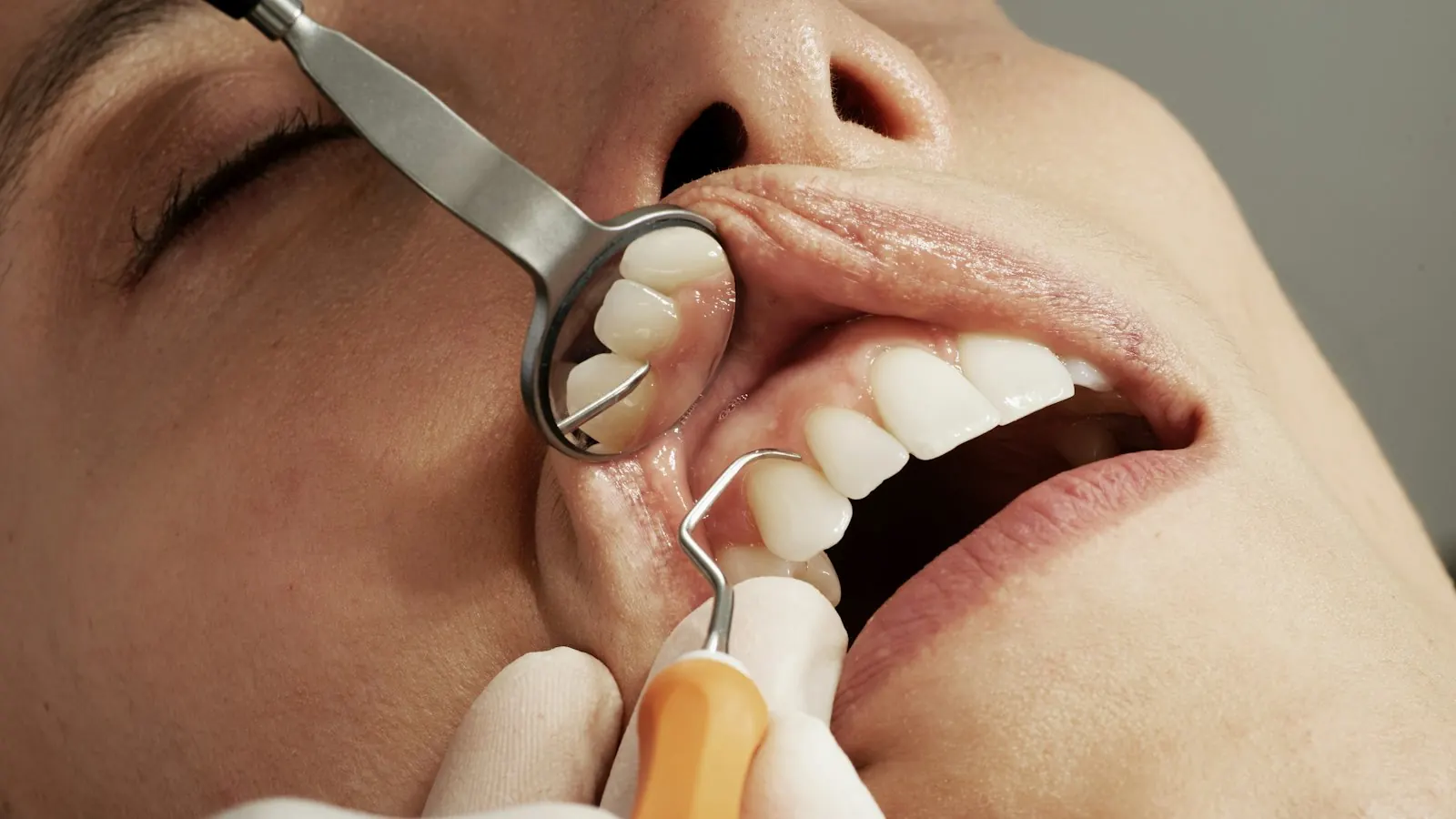
Healthy gums are pink and firm and do not bleed with normal brushing. When the sticky bacterial film called plaque builds up along the gumline, the gums become irritated, red, swollen and quick to bleed. The main causes are:
Gingivitis is an early stage in which the inflammation stays in the gums. The good news is that it usually settles within a few weeks once tartar is removed and good cleaning continues at home.
Left untreated, it can progress to periodontitis. The gum pulls away from the tooth, pockets form where bacteria collect, and the supporting bone is gradually lost. This damage does not grow back, but it can be stopped and controlled with treatment and regular follow-up. Signs include:
Many pregnant women notice that their gums become more tender and bleed more easily, roughly from the second to the eighth month. Pregnancy hormones make the gums react more strongly to plaque, causing what is known as pregnancy gingivitis. It is common, but it needs care rather than being ignored.
A dental cleaning is safe during pregnancy, and the second trimester is the best time for most non-urgent treatment. Always tell your dentist you are pregnant, and keep brushing and flossing gently. A small red lump that bleeds easily sometimes appears on the gum; it usually disappears after delivery, but it should be checked by a dentist.
Blood thinners such as aspirin, warfarin and other anticoagulants can make bleeding easier and longer than usual. Some other medicines, including certain blood pressure drugs known as calcium channel blockers and some epilepsy medicines, can make the gums overgrow, so they become harder to clean and more prone to inflammation.
Never stop a medicine on your own because your gums bleed. Give your dentist your full medication list; they will contact your doctor if any change is needed.
In most mild cases, improvement starts within one to two weeks of following these steps:
Light bleeding in the first few days is common because the gums are already inflamed. With daily flossing it usually eases within one to two weeks; if it continues, see your dentist.
Smoking narrows the blood vessels in the gums, so they bleed less, but this masks the disease rather than meaning the gums are healthy. Smokers are at higher risk of periodontitis and tooth loss.
No, scaling does not weaken teeth. You may notice gaps or temporary sensitivity because tartar was filling spaces where the gum had receded, and the sensitivity usually eases within days.
Usually the cause is gingivitis. But bleeding that happens without brushing, or comes with bruising on the body, severe tiredness or frequent nosebleeds, needs prompt medical assessment to rule out general causes.
See a dentist if bleeding lasts more than two weeks despite good care, or comes with swelling, pain or constant bad breath, or if you notice receding gums, loose teeth or pus. A check-up and cleaning about every 6 months is generally recommended, and some people need more frequent visits depending on their gum health. You can book a check-up at Medical Care Clinics, where our dental team will assess your gums and plan the cleaning and treatment that suit you.
This article is general health education and does not replace a medical examination. Every case needs its own assessment by a doctor.
Every 6 months is the common average, but the right interval depends on your gums and teeth. Here is what happens in the visit and how to care for your teeth afterwards.
Read articleWhitening supervised by a dentist is safe for most people when used correctly. Learn your options, what sensitivity to expect and how to keep your results.
Read articleA Hollywood smile is not one treatment but a plan to enhance the front teeth, usually with veneers. Here are the differences between the options and what to know before you decide.
Read article