How Often Should You Get a Dental Check-up and Cleaning?
Every 6 months is the common average, but the right interval depends on your gums and teeth. Here is what happens in the visit and how to care for your teeth afterwards.
Read article
Bad breath is common and embarrassing, but in most cases it starts inside the mouth itself, not in the stomach as many people think. The main causes are bacteria on the surface of the tongue, gum disease and dry mouth. The good news is that most of these can be treated with simple steps and a visit to the dentist.
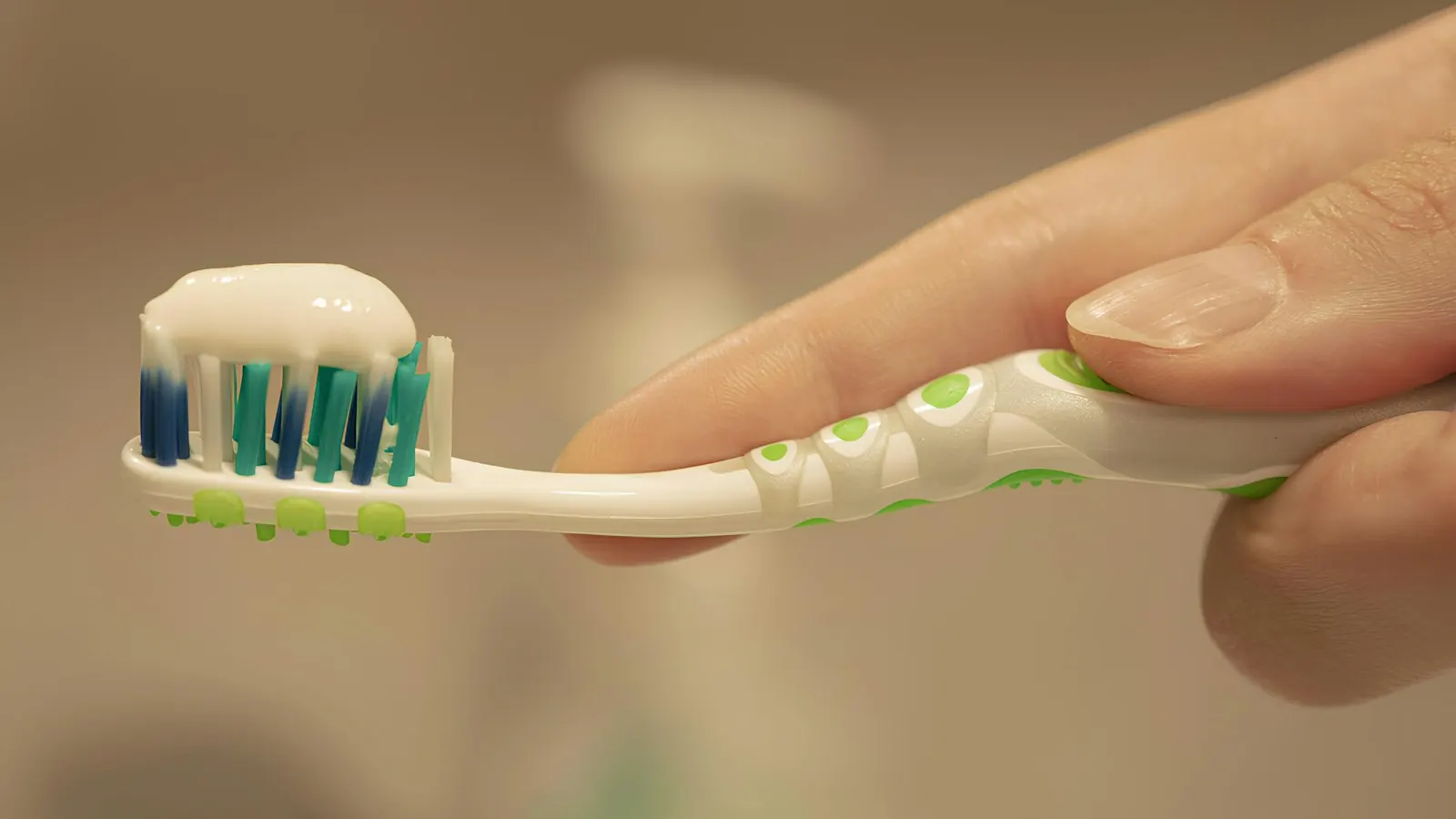
The mouth is home to bacteria that break down food debris and dead cells, releasing sulphur-containing gases that cause the unpleasant smell. The more places these bacteria can hide, and the less saliva there is to wash them away, the stronger the odour. Common causes include:
The surface of the tongue is not smooth. It has tiny bumps that trap bacteria and food, especially towards the back. That is why someone can brush well and still have bad breath: they are not cleaning their tongue. Gently using a tongue scraper or brush from back to front makes a clear difference for many people.
Saliva is the mouth's natural cleanser. When it drops, bacteria multiply and the smell gets worse, which explains morning breath. Causes of dry mouth include breathing through the mouth, not drinking enough water, long hours in dry air-conditioned air, and some medicines such as antihistamines, antidepressants and certain blood pressure drugs. Do not stop any medicine yourself; discuss it with your doctor.
Yes, but less often. Sinusitis and post-nasal drip, tonsillitis, or small stones forming in the folds of the tonsils can cause persistent odour. Acid reflux may contribute in some people.
Less commonly, an unusual smell can point to a general health issue, such as poorly controlled diabetes, which may give a fruity smell, or kidney and liver disease. So assessment usually starts with the dentist, and if the mouth is healthy you will be referred to the right specialist.
These steps deal with most mouth-related causes, and results usually show within days to weeks:
During fasting, saliva flow drops and the mouth stays dry for many hours, so breath tends to get worse later in the day. This is partly normal, but good care between iftar and suhoor can reduce it a lot.
Brush and clean your tongue after iftar and after suhoor, and drink enough water in small amounts spread between the two meals rather than all at once. Limit salty and spicy food and coffee at suhoor, as they increase thirst and dryness. Many people who fast also use a miswak during the day to clean their teeth.
It is hard to smell your own breath. You can lick the inside of your wrist, let it dry for a moment and smell it, or ask someone close whom you trust.
Mouthwash reduces the smell temporarily, and some types lower bacteria. An alcohol-free mouthwash is better because alcohol can dry the mouth, and you still need to brush and clean your tongue.
Yes, they can cause noticeable odour in some people. Do not try to remove them with sharp objects; if they keep coming back or cause pain, see an ear, nose and throat doctor.
Saliva production falls sharply during sleep, so bacteria multiply. Brushing and cleaning your tongue before bed and after waking reduces morning breath.
See a dentist if bad breath continues for two weeks despite brushing, tongue cleaning and flossing, or if it comes with bleeding gums, tooth pain, a constant bad taste or ongoing dry mouth. The dentist will look for causes in the mouth such as tartar, decay and gum disease, and refer you to the right specialist if the cause lies elsewhere. You can book a check-up at Medical Care Clinics, where our dental team will help find the cause and plan the right care for you.
This article is general health education and does not replace a medical examination. Every case needs its own assessment by a doctor.
Every 6 months is the common average, but the right interval depends on your gums and teeth. Here is what happens in the visit and how to care for your teeth afterwards.
Read articleWhitening supervised by a dentist is safe for most people when used correctly. Learn your options, what sensitivity to expect and how to keep your results.
Read articleA Hollywood smile is not one treatment but a plan to enhance the front teeth, usually with veneers. Here are the differences between the options and what to know before you decide.
Read article