PRP for Hair and Skin: Does It Work, and Who Is It For?
Can platelet-rich plasma help hair loss or skin texture? An honest look at the evidence, who it does not suit, and what a session and aftercare involve.
Read article
Warts are small, rough skin growths caused by the human papillomavirus (HPV), and most are harmless. Many disappear on their own within months to two years, but they can spread, hurt or bother you cosmetically, and effective treatments such as topical products and freezing with liquid nitrogen are available. Most importantly, do not try to cut or burn them yourself, as this can cause infection and scarring and spread the virus.
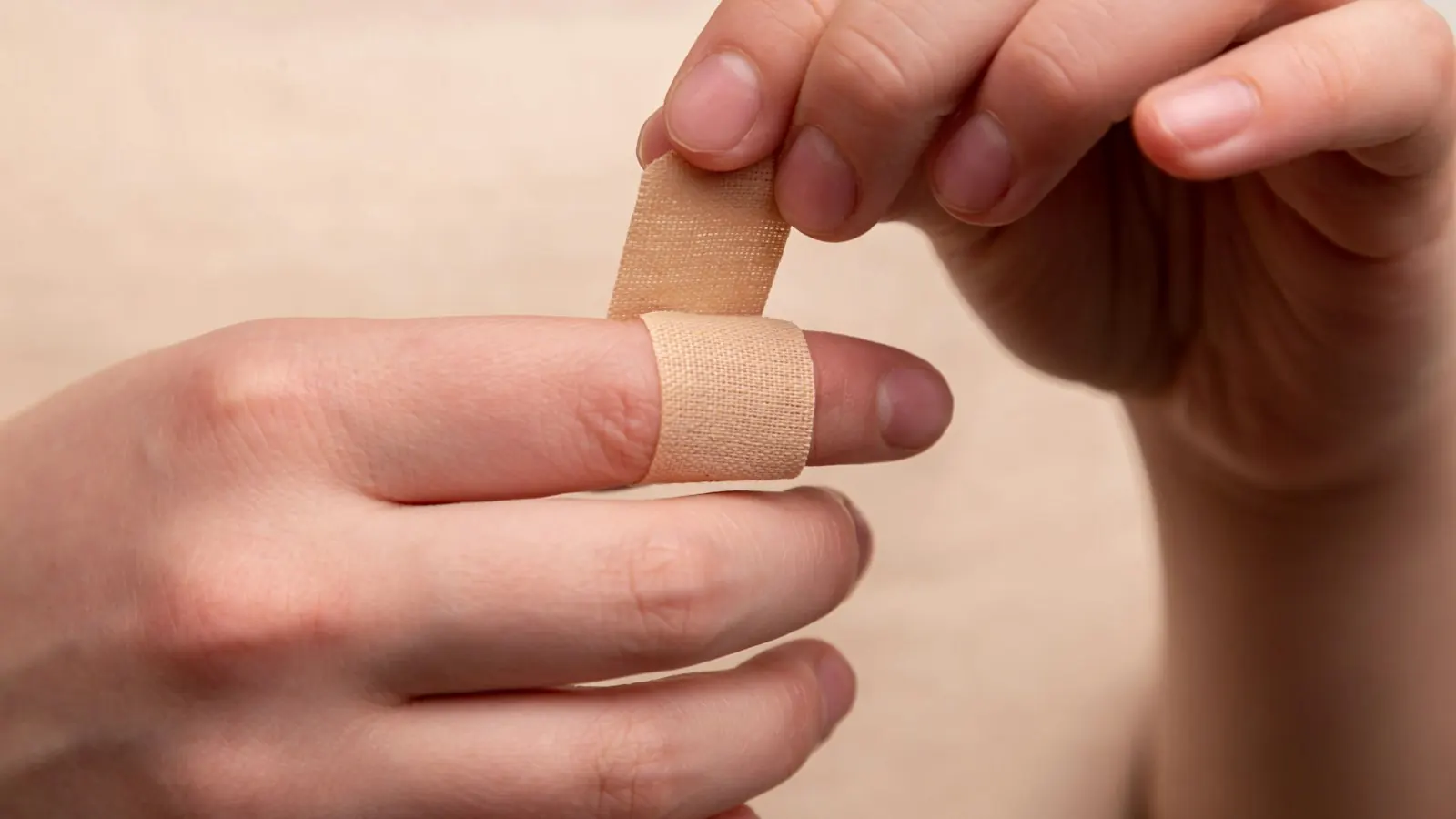
Warts spread through direct contact with someone else's wart, or by touching surfaces that carry the virus, such as pool decks, changing rooms and shared showers. The virus usually enters through tiny cuts or cracks in the skin, which is why warts are common in people who bite their nails or pick the skin around them.
Not everyone exposed to the virus develops warts, because immunity differs between people. Children and teenagers are more prone, as are people with weakened immunity due to illness or medicines. Warts can appear weeks or months after infection, so people rarely know when or where they caught them.
Warts look different depending on where they appear. Common types include:
Genital warts are a different type passed on through sexual contact. They must never be treated with pharmacy products meant for hands and feet and need a medical examination.
It can be tempting to cut a wart with a blade or scissors, burn it, or try remedies shared online. These attempts can cause bleeding, bacterial infection and a permanent scar, and they may carry the virus to nearby skin, so you end up with more warts, not fewer.
Some skin cancers can look like a wart at first, so any unusual growth that bleeds or grows quickly needs a doctor's examination before any attempt to remove it. People with diabetes or poor circulation should never treat foot warts themselves, because a small wound on the foot can become a serious problem.
The doctor chooses treatment based on the wart's type, location and number and the patient's age. Common options include:
Most of these treatments need several sessions 2 to 4 weeks apart, and a wart can sometimes come back after clearing, because the virus may remain in the surrounding skin.
Prevention is about limiting contact with the virus and protecting the skin from small cuts. In summer, pools and gyms are busier, and they are common places to pick up foot warts, so wearing pool sandals there helps.
Yes, they spread by direct contact or via contaminated surfaces, but infection does not happen with every contact; it depends on skin immunity and whether there are small cuts.
Most people feel stinging or burning for a few seconds during freezing, and mild soreness may last a few hours. It can be harder for young children, so the doctor may choose a gentler option for them.
The virus can stay in the surrounding skin even after the visible wart is gone, so it may return in the same spot or nearby. This does not always mean the treatment failed; extra sessions or a different method may be needed.
Some treatments, such as freezing, are suitable in pregnancy, while others are avoided. Check with your doctor before using any product, even one sold without a prescription.
See a dermatologist if a wart is on the face or genital area, if it is painful, bleeds or changes shape or colour quickly, if warts are spreading or increasing in number, if they have not improved after 2 to 3 months of home treatment, or if you have diabetes or weakened immunity. You can book a consultation at Medical Care Clinics in Al-Shati Al-Gharbi, Dammam, close to Al-Khobar and Dhahran, where our dermatology team will examine the wart and choose a suitable removal method.
This article is general health education and does not replace a medical examination. Every case needs its own assessment by a doctor.
Can platelet-rich plasma help hair loss or skin texture? An honest look at the evidence, who it does not suit, and what a session and aftercare involve.
Read articleWhy does beard hair need more sessions, and can laser help razor bumps on the neck? A guide for men on areas, sessions, preparation and side effects.
Read articleSummer humidity in the Eastern Province leaves skin shiny and sweaty, then air-conditioning dries it indoors. Here is a simple, light-layered routine that suits this changeable climate.
Read article