Electric or Manual Toothbrush? How to Choose Toothpaste
Electric and manual toothbrushes both work well when used correctly for two minutes twice a day, and an electric brush may help some people remove plaque slightly better. The most important ingredient in toothpaste is fluoride; extras such as whitening or sensitivity relief come next, depending on your needs. Always choose soft bristles, because brushing harder does not mean cleaner.
4 min read · Last updated
Photo: Unsplash
Electric or manual: which is better?
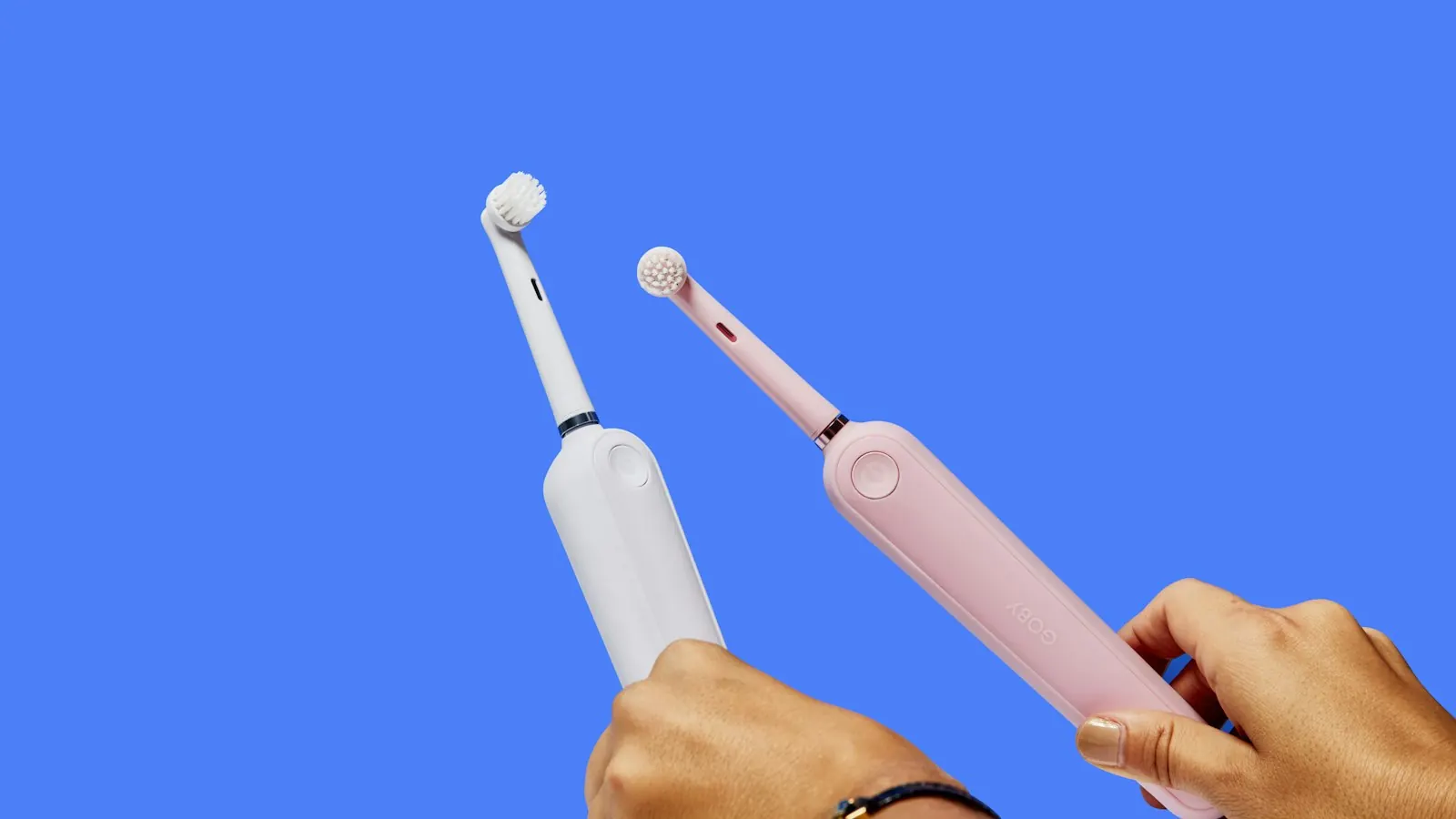
Scientific reviews suggest that electric brushes with an oscillating-rotating head may remove plaque and reduce gum inflammation slightly better than manual brushes. But consistency and technique make the bigger difference, not the type of brush; someone who brushes well with a manual brush gets excellent results.
An electric brush can be especially helpful for:
People who find fine hand movements difficult, such as older adults and those with arthritis.
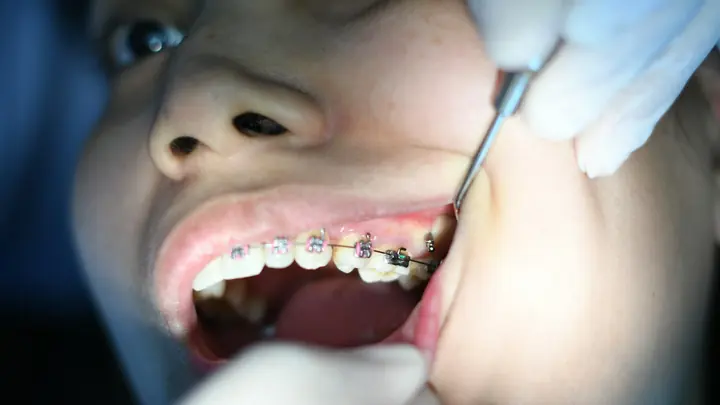
People wearing fixed braces, using heads designed for orthodontics.
People who press hard when brushing, if the brush has a pressure warning.
Children who are encouraged by an electric brush, with a parent supervising.
Anyone who needs a timer to remind them to finish two minutes.
How do I choose bristles, and when should I replace my brush?
Choose soft bristles and a small head that reaches the back teeth easily. Hard bristles and vigorous brushing can wear away enamel at the gumline and lead to gum recession and sensitive teeth.
Replace your brush or electric brush head every 3 to 4 months, or sooner if the bristles splay, and after recovering from a cold or sore throat. Store it upright to air-dry, and do not share it.
Why is fluoride the most important ingredient?
Fluoride strengthens enamel, helps it regain minerals lost after eating and clearly reduces decay, which makes it the key ingredient to look for in toothpaste for adults and children. Many health bodies advise adult toothpaste containing around 1350 to 1500 ppm fluoride, which is usually printed on the tube.
A useful habit is to spit out the toothpaste after brushing without rinsing with lots of water, so fluoride stays on the teeth longer. Your dentist may prescribe a higher-strength toothpaste if you have frequent decay; this is given on prescription and under their supervision.
Whitening toothpaste or sensitivity toothpaste?
Choose according to your needs, and make sure it contains fluoride:
Whitening toothpastes: remove some surface stain with polishing agents but do not change the natural colour of the tooth, and some are abrasive if used with force.
Sensitivity toothpastes: contain ingredients such as potassium nitrate or stannous fluoride and need several weeks of regular use to work; dabbing a little on the sensitive spot helps.
Charcoal toothpastes: there is not enough evidence of safety or benefit, they can be abrasive, and many contain no fluoride.
Herbal toothpastes: fine if they contain fluoride; check the ingredients.
Children's toothpastes: milder flavours, but what matters is fluoride at the right amount for the child's age.
What about miswak, and how should I brush?
Miswak is a Prophetic Sunnah and can be used during the day and while fasting, but it does not replace brushing with fluoride toothpaste twice a day, because it cannot easily reach every surface and does not give teeth enough fluoride. Use it gently so it does not injure the gums.
As for technique: angle the brush towards the gumline and use small, gentle movements on each tooth, cleaning the outer, inner and chewing surfaces, then the tongue gently. With an electric brush you do not need to scrub; just guide it slowly over each tooth.
Frequently asked questions
Can an electric toothbrush damage my gums or enamel?
No, not when used with a soft head and without heavy pressure. Many models warn you when you press too hard, which lowers the risk of gum recession compared with aggressive brushing.
How much toothpaste should children use?
A smear the size of a grain of rice for children under 3, and a pea-sized amount from 3 to 6, with a parent supervising so the child does not swallow it.
Should I use mouthwash straight after brushing?
Mouthwash is not essential for everyone, and dentists sometimes recommend it for specific conditions. If you use a fluoride mouthwash, use it at a different time from brushing, such as after lunch, so it does not wash away the toothpaste's fluoride.
I mostly drink bottled water. Do I need a special toothpaste?
Fluoride levels in desalinated and bottled water vary from source to source and brand to brand, and you can check the label. Fluoride toothpaste remains the main source of protection, and your dentist can tell you whether your child needs extra fluoride.
When to see a doctor
See your dentist if your gums bleed when you brush, you notice gum recession or wear at the gumline, sensitivity does not improve after several weeks of sensitivity toothpaste, or you keep getting decay despite brushing. Your dentist or dental hygienist can show you the right technique on your own teeth and suggest the brush and toothpaste that suit your mouth. You can book an appointment at Medical Care Clinics in Al-Shati Al-Gharbi, Dammam, close to Al-Khobar and Dhahran, for a check of your teeth and gums and personal care advice.
A crown is a cap that covers the whole tooth to protect it and restore its shape. Learn how zirconia, E.max and porcelain-fused-to-metal differ, and where each fits in the mouth.
If your teeth look longer than before or have become sensitive to cold, your gums may be receding. Learn the causes, the treatments and how to stop recession progressing.
Teeth can move at any age as long as the gums and bone are healthy. Learn what differs in adult orthodontics, the checks needed before starting, and how treatment fits into daily life.