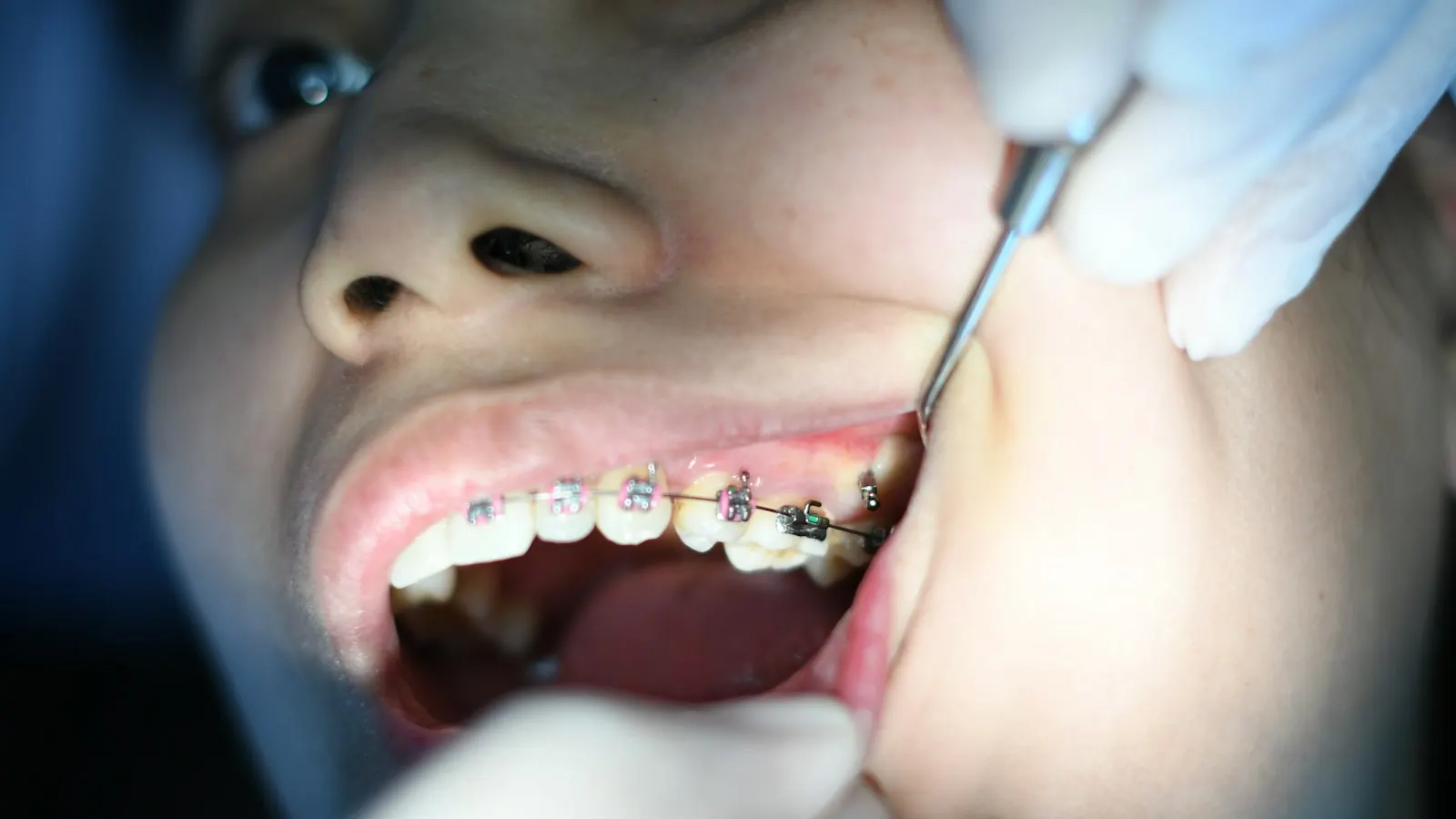
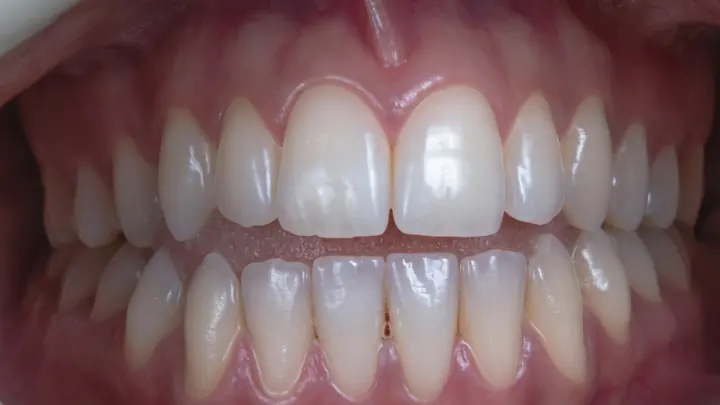
No, it is not too late. Teeth move under the same gentle forces at any age, and there is no upper age limit for orthodontics as long as the gums and supporting bone are healthy. The difference in adults is that the jaw has finished growing, and gum health and existing dental work need careful assessment before starting, so the plan and duration may differ from treatment in teenagers.
4 min read · Last updated
Photo: Unsplash
Why do adults seek orthodontic treatment?
It is not only about a nicer smile; many adults start treatment for health or functional reasons:
Crowded teeth that are hard to clean, so tartar builds up and the gums become inflamed.
Teeth shifting again after childhood braces when no retainer was worn afterwards.
New gaps or flaring of the front teeth, sometimes caused by gum disease, which is treated first.
Bite problems that wear down certain teeth or put extra load on them.
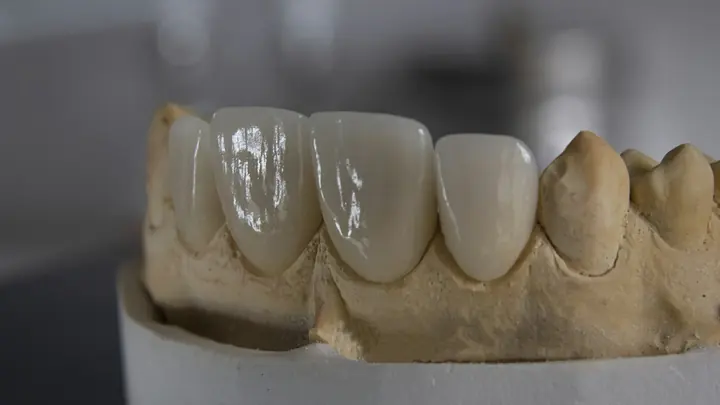
Preparing the mouth for an implant or crowns, such as uprighting a tooth tilted into an old gap.
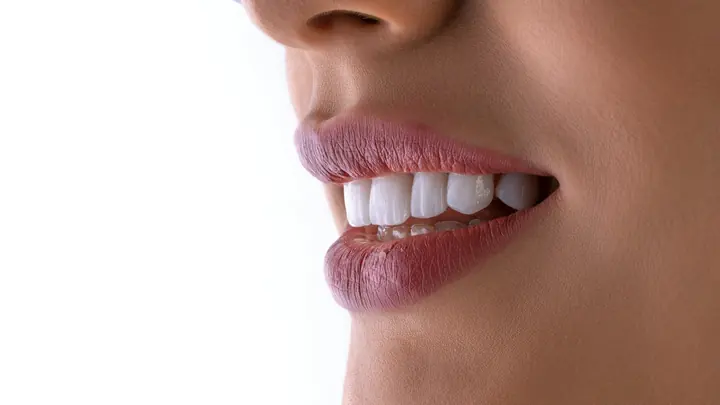
Wanting a balanced smile that brings more confidence at work and on social occasions.
What is different about orthodontics in adults?
Once growth is complete, jaw growth cannot be guided as it can in children. So most adults are treated by moving teeth only, while large differences between the jaws may need a combined plan of orthodontics and jaw surgery decided by a specialist.
Teeth may move a little more slowly, and there are often fillings, crowns, missing teeth or thin gums, so the plan needs coordination between the orthodontist and gum and restorative dentists. Some medicines, such as certain osteoporosis drugs, can also slow tooth movement, so tell your dentist about all your medicines.
What is checked before starting?
Orthodontics moves teeth through bone, so the foundation must be healthy first:
A gum examination and pocket measurement, because moving teeth with untreated gum disease can increase bone loss.
A panoramic X-ray and a side skull X-ray (cephalometric) to assess how the jaws relate, and sometimes a 3D scan.
Treating decay and removing tartar before braces are fitted.
Reviewing chronic conditions such as diabetes, which needs to be well controlled for gum health.
Agreeing on a realistic goal: some adults only need limited treatment of the front teeth, while others need comprehensive treatment.
What are the options, and how long does treatment take?
Adults have options that differ in how visible they are and how they are cared for:
Metal braces: the most durable, suitable for all levels of difficulty, but the most visible.
Ceramic braces: tooth-coloured brackets that are less visible, but more prone to breaking, and their ties can stain with coffee and tea.
Lingual braces: fixed behind the teeth so they are almost invisible, but they can irritate the tongue and affect speech in the first weeks, and need special expertise and more careful cleaning.
Clear aligners: removable, almost invisible trays worn 20 to 22 hours a day, suitable for many mild and moderate cases.
Braces and daily life: work, occasions, Ramadan and pregnancy
Comprehensive treatment usually takes one to two years; a few months may be enough for a minor correction, and complex cases take longer. Visits are usually every 4 to 8 weeks, and discomfort after fitting or adjustments mostly lasts two to three days. If you have a wedding or important occasion coming up, discuss timing with your orthodontist early.
In Ramadan, aligners are removed for iftar and suhoor and teeth are cleaned before putting them back, and the schedule for changing trays may be adjusted to the hours worn. If you are pregnant, tell your orthodontist: non-essential X-rays are postponed, and it is usually better to start after delivery. If pregnancy happens during treatment, it can usually continue with extra gum care, as gums become inflamed easily at this time.
Frequently asked questions
Is there an upper age limit for braces?
There is no upper age limit. What matters is the health of the gums and supporting bone, which your orthodontist assesses with an examination and X-rays.
Are braces more painful for adults?
The feeling is similar at most ages: pressure and discomfort for a few days after fitting or adjustments that eases gradually. Soft foods and a simple pain reliever suitable for you are usually enough.
Will I have to wear a retainer for life?
Teeth tend to shift with age, so many orthodontists advise wearing a removable retainer at night for many years, or a fixed wire retainer behind the front teeth.
Can I have braces if I have crowns or implants?
Teeth with crowns can usually be moved using special bonding techniques. An implant never moves, so it is planned into the treatment, and sometimes it is better to do orthodontics before placing it.
When to see a doctor
See a dentist if you notice your teeth becoming more crowded, spaced or flared over time, your bite has changed, some teeth have become hard to clean, or your teeth have shifted after earlier braces. Come in sooner if new gaps appear along with bleeding gums or loose teeth. You can book a consultation at Medical Care Clinics, where our dental team will examine your gums and bite and explain suitable orthodontic options and the expected treatment time.
A crown is a cap that covers the whole tooth to protect it and restore its shape. Learn how zirconia, E.max and porcelain-fused-to-metal differ, and where each fits in the mouth.
If your teeth look longer than before or have become sensitive to cold, your gums may be receding. Learn the causes, the treatments and how to stop recession progressing.
There is no fixed number of veneers that suits everyone. Learn the factors your dentist assesses to decide how many you need and which type suits your teeth.