How Often Should You Get a Dental Check-up and Cleaning?
Every 6 months is the common average, but the right interval depends on your gums and teeth. Here is what happens in the visit and how to care for your teeth afterwards.
Read article
Tooth sensitivity is a short, sharp pain triggered by something cold, sweet or sour, or even by breathing in cold air. It happens when the inner layer of the tooth, called dentine, becomes exposed through enamel wear or gum recession. It is common and can usually be eased, but it is important to make sure it is not a sign of decay or a crack.
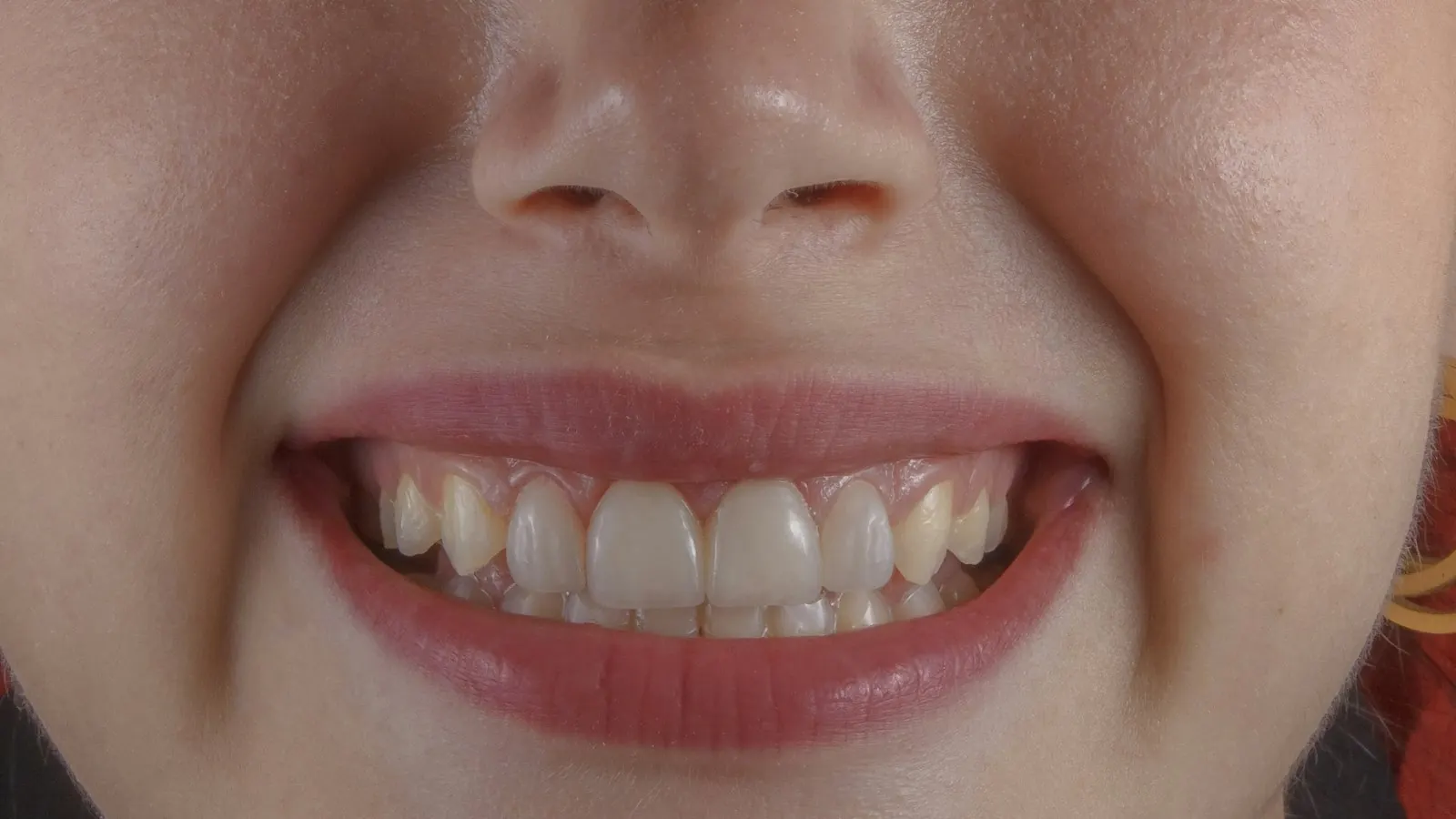
A tooth has a hard outer layer, the enamel, and beneath it the dentine, which contains tiny channels leading to the nerve. When these channels are exposed, cold and sugar travel quickly to the nerve and cause a sudden jolt of pain. Common causes include:
Enamel does not grow back once it is lost. One of the most damaging habits is frequent acidic drinks such as soft drinks, energy drinks and some juices, especially when sipped slowly through the day. Frequent acid reflux can also cause visible wear on the inner surfaces of the teeth.
To limit the damage, have acidic drinks with meals rather than between them, use a straw when you can, and rinse with water afterwards. Do not brush straight after acidic food or drink; wait about an hour so saliva can restore balance in the mouth.
Tooth roots are not covered by enamel; they are protected by the gum. If the gum recedes because of periodontitis, hard brushing with a stiff brush, or simply with age, the root surface is exposed and becomes very sensitive to cold and touch.
Sometimes a small notch forms at the gumline, often linked to hard brushing and clenching. Treating the cause matters as much as treating the sensitivity, so the recession does not continue.
Sensitivity during and after whitening is common and usually temporary, settling within a few days of finishing treatment. Your dentist can adjust the session length or gel strength, or suggest a sensitivity toothpaste before and after whitening.
After a new filling, mild sensitivity for several days to a few weeks can occur. But pain that is severe, lingers long after the cold has gone, wakes you at night or appears when you bite may point to a nerve problem or a cracked tooth and needs to be checked.
In mild cases these steps help, and they usually take 2 to 4 weeks of regular use to show their effect:
If home care does not help, your dentist will first find the cause and then choose the right treatment, which may include:
Not always; most cases come from enamel wear or gum recession. But decay and worn fillings can cause similar symptoms, so an examination helps find the real cause.
Whitening supervised by a dentist at the right strength is generally considered safe for enamel, and its most common side effect is temporary sensitivity. Overuse or unreliable products can increase sensitivity and irritate the gums.
Temporary sensitivity after whitening or a filling usually fades within days to weeks. Sensitivity caused by ongoing wear or recession needs the cause treated so it does not get worse.
See a dentist if sensitivity lasts more than a few weeks despite using a sensitivity toothpaste, affects one particular tooth, or comes with pain on biting, pain that lingers after the trigger or wakes you at night, or if you notice a change in a tooth's colour or swelling in the gum. You can book an appointment at Medical Care Clinics, where our dental team will find the cause of your sensitivity and suggest the most suitable treatment.
This article is general health education and does not replace a medical examination. Every case needs its own assessment by a doctor.
Every 6 months is the common average, but the right interval depends on your gums and teeth. Here is what happens in the visit and how to care for your teeth afterwards.
Read articleWhitening supervised by a dentist is safe for most people when used correctly. Learn your options, what sensitivity to expect and how to keep your results.
Read articleA Hollywood smile is not one treatment but a plan to enhance the front teeth, usually with veneers. Here are the differences between the options and what to know before you decide.
Read article