Tooth Extraction Aftercare and How to Avoid Dry Socket
After a tooth is removed, a blood clot forms in the socket to protect the bone and nerves and start healing, and the most important aftercare aim is to keep that clot in place for the first few days. That is why you are asked to bite on gauze and to avoid vigorous rinsing, spitting, straws, smoking and shisha. With good care most people improve within a few days, but pain that gets worse after the second or third day may be a sign of dry socket and needs a check.
4 min read · Last updated
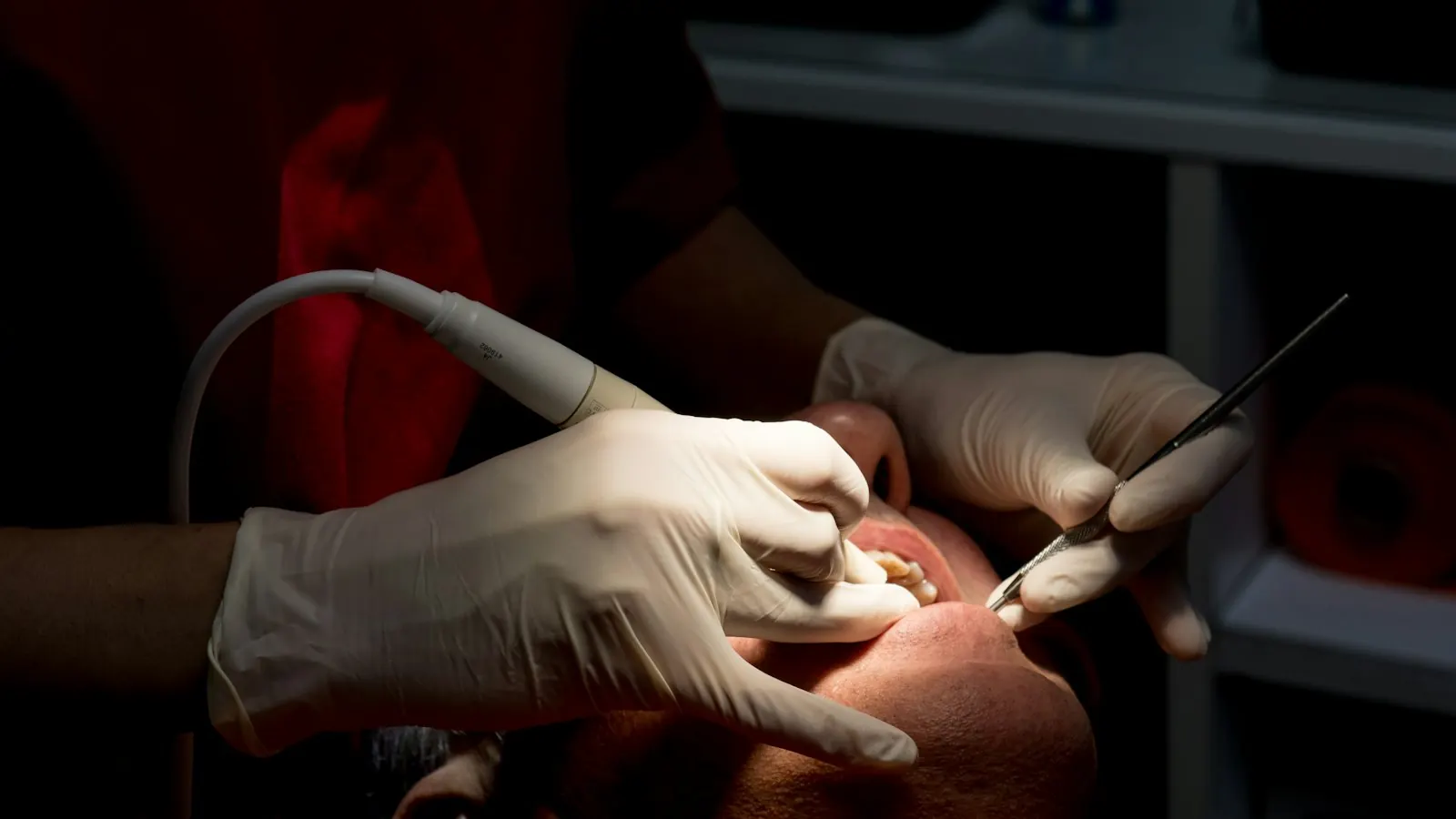
Photo: Unsplash
What should I do in the first 24 hours?
The first day matters most, because the clot is still fragile and easily dislodged:
Bite firmly on the gauze for about 30 to 45 minutes, or as your dentist advises, without chewing it.
Do not rinse vigorously or spit; let saliva drain gently or swallow it.
Do not drink through a straw, and avoid very hot drinks such as coffee and tea for the first few hours.
Rest, avoid strenuous activity and sleep with your head raised on an extra pillow.
Apply a cold compress to the outside of your cheek in short spells (such as 15 minutes on, then a break) to limit swelling.
Do not touch the socket with your tongue or fingers.
Why are smoking, shisha and straws not allowed?
The suction created by a straw or by drawing on a cigarette or shisha can pull the clot out of place. Smoke and nicotine also reduce blood flow to the gums and slow healing, and smoking is clearly linked to a higher risk of dry socket.
So it is best to avoid cigarettes, shisha and e-cigarettes for at least 48 to 72 hours, and ideally longer until the gum has healed. If you smoke, this may be a good moment to think about quitting, and your dentist can talk this through with you.
What can I eat, and when can I brush?
Once the numbness wears off, start with soft foods that are lukewarm or cool, such as laban, yoghurt, lukewarm soup, eggs, mashed potato and soft rice. Chew on the other side, and for several days avoid very spicy, crunchy or small foods that can lodge in the wound, such as nuts, sesame and seeds. Drink plenty of water, especially in the summer heat.
You can gently brush your other teeth the same evening, keeping away from the socket. After 24 hours, start gentle rinses with warm salty water several times a day, especially after meals, without swishing hard.
What is normal after an extraction, and what is a concern?
It is normal to see pink-tinged saliva or light oozing on the first day, and for pain and swelling to peak on the second or third day and then ease gradually. Mild jaw stiffness or a bruise on the cheek can follow a difficult extraction.
If bleeding restarts, bite on a clean, slightly damp gauze pad for 30 minutes; a damp black tea bag can be used instead. These signs need a check with your dentist:
Heavy bleeding that does not stop despite steady pressure.
Pain that gets worse after the second or third day instead of easing.
Swelling that increases after day three, a fever or pus.
Numbness of the lip or tongue lasting many hours after the anaesthetic should have worn off.
Difficulty swallowing or breathing, which is an emergency.
What is dry socket, and who is more at risk?
Dry socket happens when the clot breaks down or is lost too early, leaving the bone in the socket exposed. Its main sign is severe pain that usually starts two to four days after the extraction and may spread to the ear or temple, with a socket that looks empty and a bad taste or smell.
It is more common after lower back teeth and difficult surgical extractions, in smokers and when aftercare advice is not followed. It is painful but treatable: the dentist cleans the socket and places a medicated dressing that usually eases the pain quickly. Trying to treat it at home is not advised.
Frequently asked questions
How long does the socket take to heal?
The gum usually closes over within two to three weeks, while the bone underneath takes months to fill in completely. Timing varies with the tooth, how difficult the extraction was and your general health.
Can I drink Arabic coffee after an extraction?
Avoid hot drinks on the first day, as they can increase bleeding; after that you can drink it lukewarm. Sip from the cup rather than through a straw, away from the extraction side.
Do I need antibiotics after every extraction?
No. Most simple extractions do not need antibiotics. Your dentist prescribes them when there is infection or for certain health conditions, and they should be taken as a full course as prescribed.
When should I replace the missing tooth?
That depends on where the tooth was and which option suits you, whether an implant, a bridge or a denture. Discuss it with your dentist early, because leaving the gap for a long time can let neighbouring teeth tilt into it.
When to see a doctor
See your dentist if bleeding continues despite steady pressure, pain worsens after the second or third day, swelling keeps increasing, or you develop a fever, pus or a persistent bad taste, or numbness lasts long after the anaesthetic should have worn off. Go to an emergency department at once if you have difficulty swallowing or breathing, or swelling spreading to the neck or eye. If you have diabetes, take blood thinners or are pregnant, tell your dentist before the extraction so treatment can be planned safely. You can book an appointment at Medical Care Clinics in Al-Shati Al-Gharbi, Dammam, close to Al-Khobar and Dhahran, where our dental team can follow up your healing or treat a dry socket if it happens.
A crown is a cap that covers the whole tooth to protect it and restore its shape. Learn how zirconia, E.max and porcelain-fused-to-metal differ, and where each fits in the mouth.
If your teeth look longer than before or have become sensitive to cold, your gums may be receding. Learn the causes, the treatments and how to stop recession progressing.
Teeth can move at any age as long as the gums and bone are healthy. Learn what differs in adult orthodontics, the checks needed before starting, and how treatment fits into daily life.