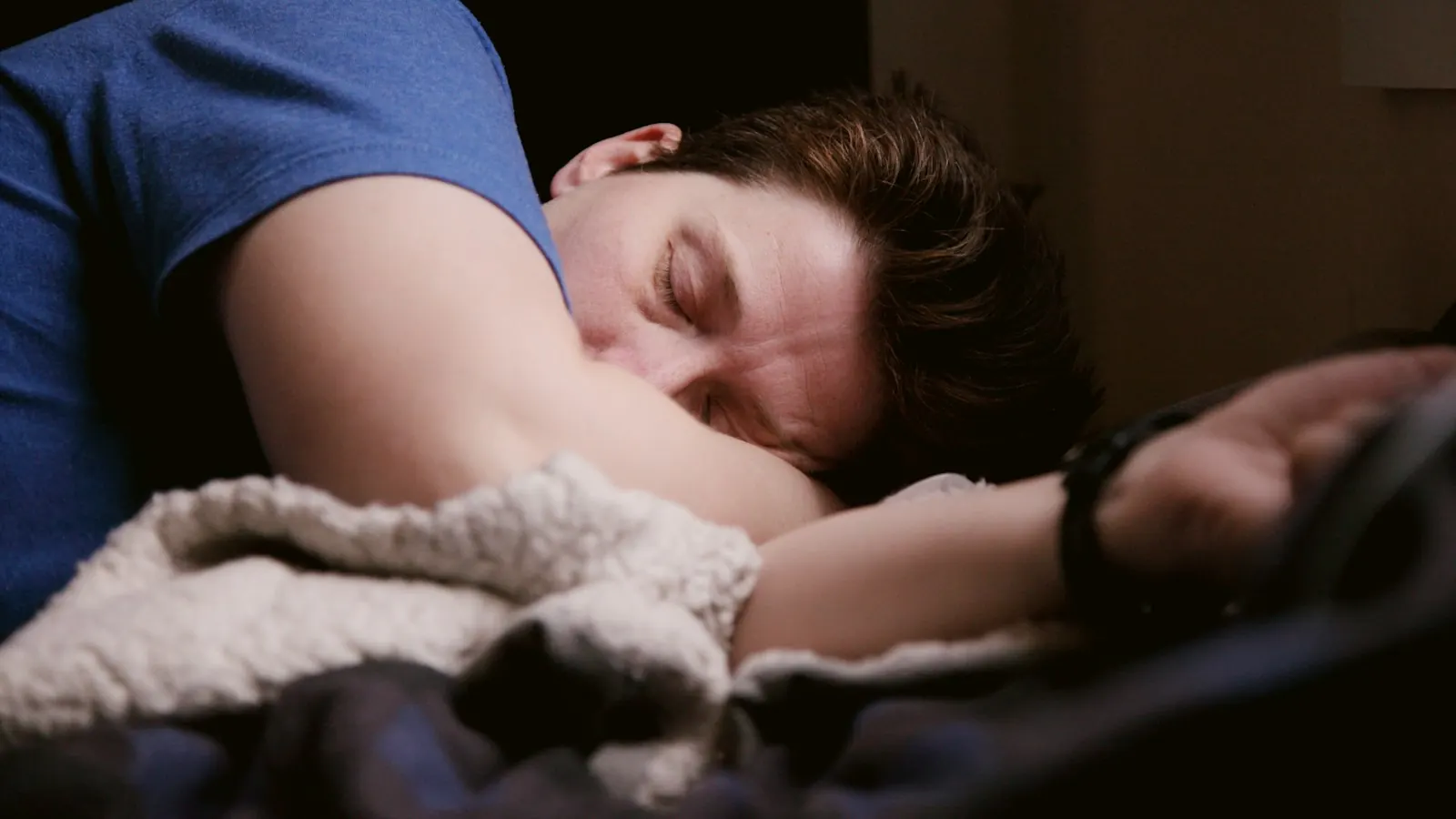
Teeth grinding (bruxism) means clenching or grinding the teeth without meaning to, either during sleep or during the day when concentrating or stressed. Many people do not know they grind until a partner tells them or a dentist notices worn teeth. There is no treatment that stops it for good in everyone, but a night guard protects the teeth effectively, and dealing with the causes reduces grinding for many people.
4 min read · Last updated
Photo: Unsplash
What signs suggest you grind your teeth?
The signs may be mild at first and increase over time. Look out for:
A dull headache at the temples or jaw pain on waking.
Tired or tight jaw muscles, or difficulty opening your mouth in the morning.
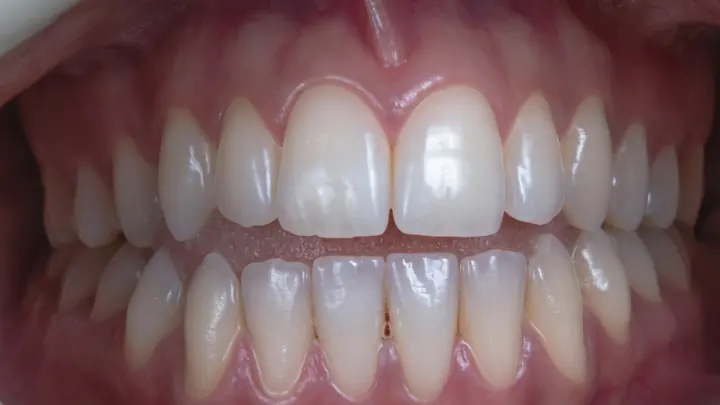
Teeth that look shorter or flattened at the edges, or have fine cracks.
Increasing sensitivity to cold as enamel wears.
A grinding noise during sleep noticed by the person next to you.
Bite marks along the sides of the tongue or inside the cheeks.
Why does teeth grinding happen?
In most cases there is no single cause but a combination of factors. The most common are stress, anxiety, work pressure and disturbed sleep, which is why many people who work shifts and switch between sleeping at night and in the day notice it, a working pattern common in the Eastern Province.
Other factors include heavy coffee and other stimulants, especially in the evening, smoking, some medicines such as certain antidepressants, and breathing problems during sleep such as sleep apnoea. If grinding comes with loud snoring, pauses in breathing or heavy daytime sleepiness, you may need a sleep assessment by the appropriate specialist.
What does grinding do to your teeth?
The force during sleep can be much greater than normal chewing and can recur for minutes at a time through the night. Over the years it can wear enamel, break fillings, crowns and veneers, crack teeth and contribute to gum recession at the necks of the teeth.
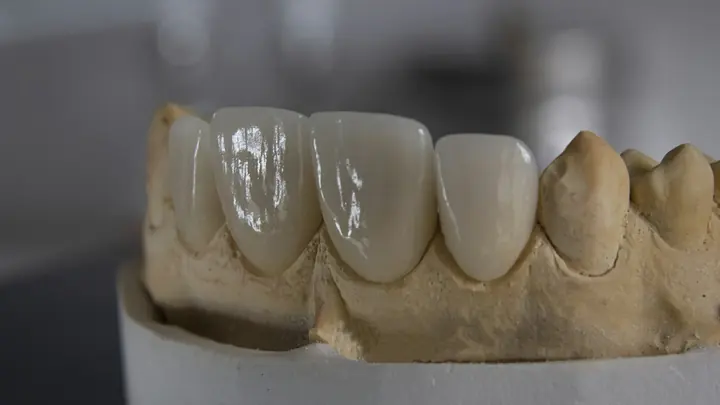
It can also strain the jaw muscles and the temporomandibular joint, causing pain or clicking when you open your mouth. That is why dentists pay attention to grinding before implants or a Hollywood smile, as it can shorten the life of this work if the mouth is not protected.
How does a night guard protect your teeth?
A night guard is a piece of durable plastic worn over one set of teeth during sleep. It stops the upper and lower teeth from rubbing directly and spreads the force more evenly. It does not necessarily stop grinding, but it protects the teeth and dental work, and eases muscle pain for many people.
A guard made to measure at the clinic is more accurate, more comfortable and lasts longer, and your dentist adjusts it so your bite on it is balanced. Ready-made guards from pharmacies may do for a short time, but they can be bulky or loose and are not advised for long-term use without advice. Clean your guard daily with a brush and lukewarm water, and bring it to your check-ups.
Are there other treatments besides a guard?
The guard is the foundation, and other steps help depending on the cause:
Keeping sleep as regular as possible, with a quiet, dark room, even with shift work.
Cutting down on coffee and stimulants in the evening, and stopping smoking.
Relaxation and stress management, plus gentle jaw exercises your dentist can show you.
Watching for daytime clenching: remind yourself to keep lips closed and teeth slightly apart.
Botox injections into the chewing muscles: may be discussed in selected cases to reduce clenching force; your doctor decides after assessment, and it does not replace protecting the teeth.
Frequently asked questions
Can teeth grinding be cured for good?
It eases for many people once stress and sleep improve, but it can persist or return during stressful periods. So the main goal remains protecting the teeth and muscles with a guard and regular follow-up.
My child grinds their teeth at night. Is it serious?
Grinding is common in children and often fades with time. Still, have their teeth checked for wear or pain, and see a doctor if it comes with snoring or difficulty breathing during sleep.
How long does a night guard last?
It depends on the material and how hard you grind, and it can last years with care. Your dentist checks it at follow-ups and replaces it if it develops holes or cracks or no longer fits firmly.
Can grinding cause ear pain?
Yes. Some people feel pain near the ear from strain on the jaw muscles and the nearby joint, with nothing wrong in the ear itself. Persistent pain still deserves an examination to rule out other causes.
When to see a doctor
See a dentist if you notice worn or cracked teeth, fillings that keep breaking, headaches and jaw pain on waking, increasing sensitivity, or if someone tells you that you grind your teeth at night. If the pain comes with difficulty opening your mouth or your jaw locking, do not delay. You can book an appointment at Medical Care Clinics in Al-Shati Al-Gharbi, Dammam, close to Al-Khobar and Dhahran, where our dental team will assess your teeth and jaw and make you a suitable night guard if you need one.
A crown is a cap that covers the whole tooth to protect it and restore its shape. Learn how zirconia, E.max and porcelain-fused-to-metal differ, and where each fits in the mouth.
If your teeth look longer than before or have become sensitive to cold, your gums may be receding. Learn the causes, the treatments and how to stop recession progressing.
Teeth can move at any age as long as the gums and bone are healthy. Learn what differs in adult orthodontics, the checks needed before starting, and how treatment fits into daily life.