Sports Mouthguards: A Guide for Football and Martial Arts
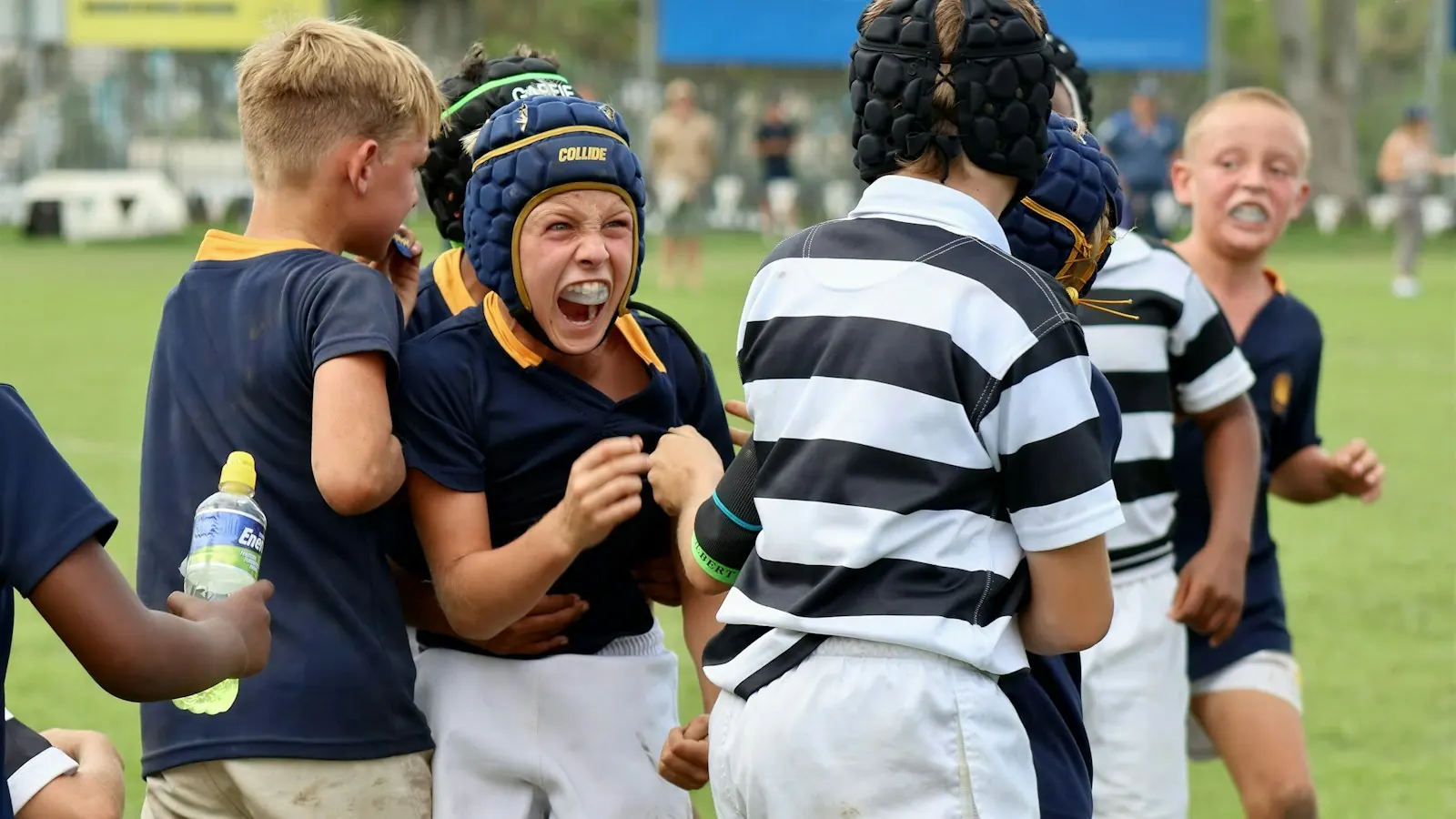
A sports mouthguard is a flexible piece that covers the upper teeth and absorbs the force of a blow or fall, reducing the risk of broken or knocked-out teeth and cuts to the lips and tongue. It is recommended for sports with contact or a risk of falling, for adults and children alike. The best mouthguard is the one that fits your mouth well, so you actually wear it at every training session and match.
4 min read · Last updated
Photo: Unsplash
Who needs a mouthguard?
Dental injuries in sport are more common than many people expect, and they can happen in ordinary training, not only in matches. A mouthguard is especially recommended for:
Martial arts, boxing and wrestling.
Football, especially for goalkeepers and players in heavy challenges.
Basketball, hockey and rugby.
Skateboarding and cycling in parks and along the Corniche.
Any sport with a risk of falls, collisions or being hit by a ball or racket.
Anyone wearing fixed braces, since wires and brackets can cut the lips on impact.
What types of mouthguard are there?
There are three main types, which differ in fit, comfort and level of protection:
Stock mouthguard: bought ready-made and worn straight away. It is the cheapest but usually loose, and you have to bite down to hold it in place, which makes talking and breathing harder.
Boil-and-bite mouthguard: softened in hot water and then bitten into to take the shape of the teeth. It is better than a stock guard, but its fit depends on how it is moulded and it can become thin in important areas.
Custom-made mouthguard from your dentist: made on an accurate model of your teeth, so it is more stable and comfortable, lets you talk and breathe more easily, and its thickness can be set for your sport.
Mouthguards for children: what should parents know?
Children in sports academies and martial arts clubs are prone to falls and collisions, and their new permanent front teeth sometimes stick out, which increases the risk of injury. A mouthguard is recommended from the start of regular training.
As the jaws grow and teeth change, a mouthguard soon stops fitting, so children often need a new one every season or whenever it becomes tight or loose. Let your child choose a colour they like so they are happy to wear it, and make sure the coach encourages its use.
How do you care for a mouthguard?
Good care makes a mouthguard last longer and protects your mouth from bacteria:
Rinse it in cold water before and after use, and clean it with a soft brush and mild soap.
Store it in a ventilated case and let it dry before closing the case.
Never leave it in the car or in the sun; Eastern Province summer heat quickly warps it.
Do not share it, and do not chew it or cut it to make it smaller.
Bring it to your dental visits so the dentist can check its fit and condition.
Replace it if it has holes or tears or no longer fits securely.
What should you do if a tooth is knocked out during play?
If a permanent tooth is knocked out completely, time is critical. The best chance of saving it is putting it back as soon as possible, ideally within 30 minutes to an hour. Hold the tooth by the crown, not the root. If it is dirty, rinse it gently in milk or saline for a few seconds without scrubbing. Try to push it gently back into place and bite on a clean cloth. If you cannot, keep it in a cup of milk, or inside the cheek of the injured person if they are an adult and fully alert, and go to a dentist immediately.
A baby tooth in a young child should not be put back, as this can damage the permanent tooth underneath, but the child should still be seen by a dentist. If the injury comes with loss of consciousness, headache, vomiting or dizziness, emergency medical care comes before the teeth.
Frequently asked questions
Does a mouthguard prevent concussion?
A mouthguard clearly reduces dental and mouth injuries, but the evidence does not show that it prevents concussion. Protection from concussion depends on safe play rules and a helmet in sports that require one.
Is a ready-made mouthguard good enough?
Any mouthguard is better than none, but a custom-made one is more stable and comfortable, which makes it easier to keep wearing, especially in combat sports.
Do I need a guard for the lower teeth too?
An upper guard is usually enough, as the upper teeth are most at risk. In special cases, such as certain bites or braces, your dentist may suggest a different design.
Can I wear a mouthguard with fixed braces?
Yes, and it is recommended, but it needs a design that leaves room for the brackets and does not block tooth movement. Do not use a boil-and-bite guard over braces without asking your orthodontist.
When to see a doctor
See a dentist before a new sports season to get a suitable mouthguard, and after any blow to the mouth even if the tooth looks fine, because some injuries only show later as a change in colour or pain. Go immediately if a permanent tooth is knocked out, broken or pushed out of place. You can book an appointment at Medical Care Clinics in Al-Shati Al-Gharbi, Dammam, close to Al-Khobar and Dhahran, where our dental team will check your teeth and help you choose the right mouthguard for you and your children.
A crown is a cap that covers the whole tooth to protect it and restore its shape. Learn how zirconia, E.max and porcelain-fused-to-metal differ, and where each fits in the mouth.
If your teeth look longer than before or have become sensitive to cold, your gums may be receding. Learn the causes, the treatments and how to stop recession progressing.
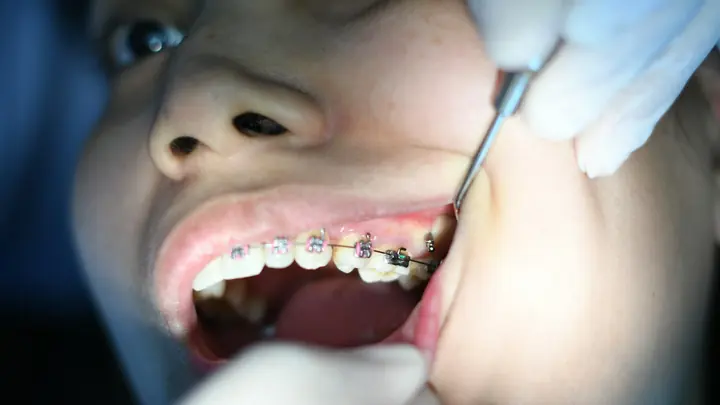
Teeth can move at any age as long as the gums and bone are healthy. Learn what differs in adult orthodontics, the checks needed before starting, and how treatment fits into daily life.