Laser Hair Removal: How It Works and How Many Sessions
How many laser sessions will you need, and is it right for your skin? A practical guide to preparation, aftercare, side effects and when to wait.
Read article
Skin boosters are fine injections of a hydrating substance, usually hyaluronic acid, spread within the skin to improve its hydration, texture and glow. They do not change facial features or fill deep wrinkles the way fillers do, but they can give a fresher look to skin that is dry, dull or showing fine lines. Results build gradually and vary from person to person.
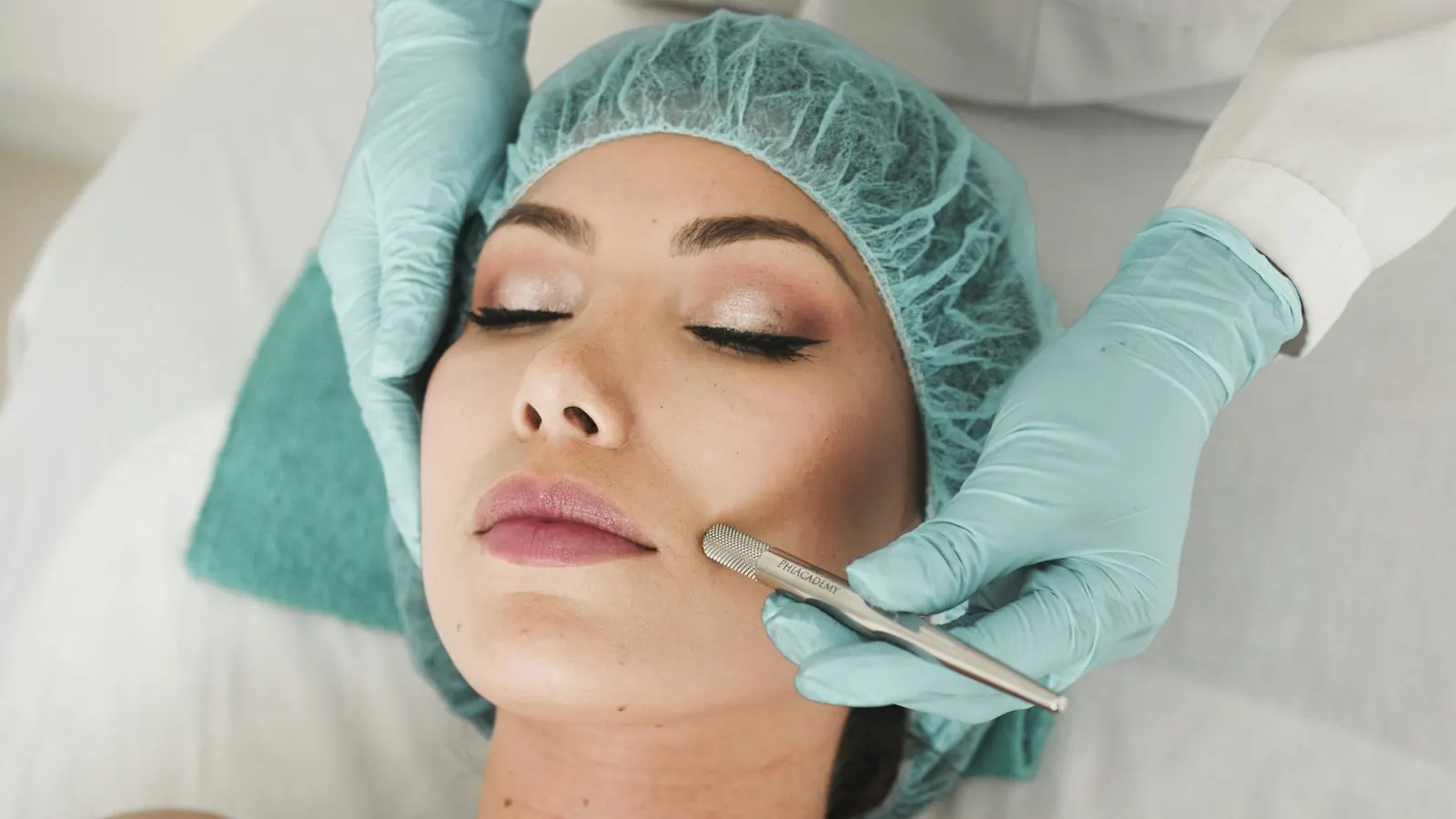
Most products in this category contain hyaluronic acid in a more fluid form than filler, and some add amino acids or other ingredients. Hyaluronic acid occurs naturally in the skin and is very good at attracting and holding water.
The doctor injects very small amounts at many points, or uses a fine cannula, on the face, neck or hands. The product spreads through the skin and improves hydration from within. It is also thought that it may help the skin improve its quality over time.
These treatments are often confused, but each has a different aim and its own place in a treatment plan, and a doctor may combine more than one. In short:
They may help people with dry or dull skin, fine lines or uneven texture, or skin affected by years of sun and air-conditioning. They are sometimes used on the neck and the backs of the hands.
They are not suitable during pregnancy or breastfeeding, or where there is active inflammation or infection at the injection site. People with immune conditions or bleeding disorders, or who take blood thinners, need a doctor's assessment first. They are also not the right answer for marked sagging or major volume loss.
A course usually starts with two to three sessions about 3 to 4 weeks apart, depending on the product and your skin. Results often last around 6 months, sometimes longer or shorter depending on the product, the person and lifestyle, with a top-up session when needed.
The glow appears gradually over weeks once the initial swelling settles, not straight after the session. If you have an occasion coming up, plan your sessions well ahead. The session itself is usually short, after a numbing cream is applied and the skin is cleaned thoroughly.
Skin boosters are a common procedure in the hands of a qualified doctor, so make sure they are given by a licensed doctor using a product approved by the Saudi Food and Drug Authority. Like any injection, they have possible side effects, mostly temporary:
Expect skin that is more hydrated, smoother and healthily radiant, and softer fine lines for some people. Do not expect them to lift sagging, change your features or remove pigmentation and deep scars; each of these has a different treatment.
Daily care remains the basis of a healthy glow: sunscreen, moisturising, good sleep and not smoking. Skin boosters complement these habits; they do not replace them.
Most people feel a light pricking, and doctors usually apply a numbing cream beforehand to reduce discomfort. How it feels varies from person to person.
Usually yes, but bumps or redness can last from a few hours to a few days, so some people book their session before the weekend.
In some cases, yes, as part of a plan set by the doctor, since each treatment addresses a different concern. The doctor decides the right order and timing.
They may help oily skin that is dehydrated or uneven in texture, but active acne should be treated first, before any injections.
Consult a dermatologist before any cosmetic injection, especially if you have active acne, sensitive skin or a chronic illness, or take blood thinners. After a session, see a doctor straight away if you have severe pain, skin turning white or blue, swelling that keeps increasing, or a fever. You can book a consultation with the dermatology and aesthetics department at Medical Care Clinics so a doctor can assess your skin and advise whether skin boosters suit you or another option would be better.
This article is general health education and does not replace a medical examination. Every case needs its own assessment by a doctor.
How many laser sessions will you need, and is it right for your skin? A practical guide to preparation, aftercare, side effects and when to wait.
Read articleBotox relaxes muscles while filler restores volume. Learn how they differ, how long each lasts and how to choose the right doctor.
Read articleAcne is treatable, but the right treatment differs between mild, moderate and severe acne. Learn the options and when a doctor is needed.
Read article