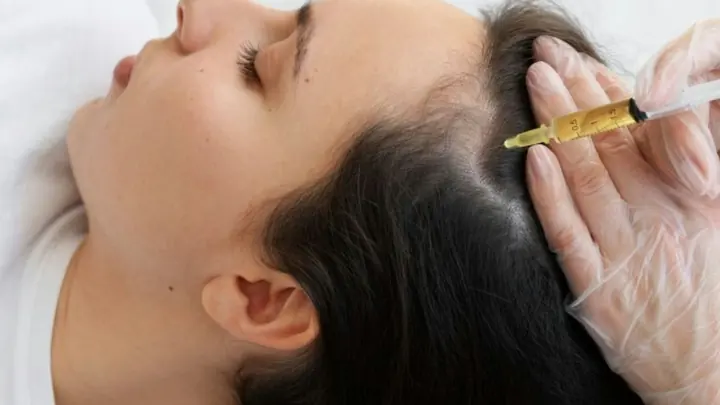
PRP for Hair and Skin: Does It Work, and Who Is It For?
Can platelet-rich plasma help hair loss or skin texture? An honest look at the evidence, who it does not suit, and what a session and aftercare involve.
Read article
Rosacea is a long-term skin condition affecting the centre of the face. It appears as recurring or persistent redness on the cheeks, nose, forehead and chin, sometimes with fine visible blood vessels, acne-like spots and a burning feeling. There is no permanent cure yet, but it can be largely controlled by identifying and avoiding triggers and following a treatment prescribed by a dermatologist.
Rosacea varies from person to person, and one patient may have more than one type. Its most common features are:
The exact cause is not fully known. Doctors believe it is a mix of genetic tendency, over-reactive blood vessels in the face and a disturbance in the skin's natural immunity; an increase in a type of mite that normally lives on the skin may play a role in some patients.
It usually appears after the age of 30 and is more visible in fair skin, but it also affects olive and darker skin, where diagnosis may be delayed because redness is less obvious. Rosacea is not contagious and is not caused by poor hygiene.
Triggers differ between people, and knowing yours is one of the most important parts of treatment. Some of the most common in our climate are:
A dermatologist chooses treatment based on the type and severity of rosacea. Topical creams and gels can reduce spots and inflammation, including those containing azelaic acid, metronidazole or ivermectin, and other creams reduce redness temporarily by narrowing blood vessels. For moderate to severe cases, a doctor may prescribe certain antibiotic tablets at doses that act as an anti-inflammatory. All of these are prescription treatments that need follow-up. Some of these medicines are not suitable during pregnancy or breastfeeding, so tell your doctor if you are pregnant or planning a pregnancy.
Visible blood vessels and persistent redness may improve with vascular laser or intense pulsed light (IPL) sessions. Several sessions may be needed, with maintenance sessions because vessels can return over time.
It is important not to put cortisone creams on your face on your own; they may hide the redness for a while, then make rosacea worse when you stop.
Rosacea skin is sensitive, so fewer and gentler products are better. Wash your face with lukewarm water and a mild, fragrance-free cleanser, and pat it dry. Use a simple moisturiser that supports the skin barrier and a daily sunscreen; many patients do well with mineral sunscreens containing zinc oxide or titanium dioxide.
Avoid grainy scrubs, alcohol-based toners, fragranced products and strong acne treatments unless your doctor prescribes them. Patch-test any new product on a small area before using it on your whole face.
Rosacea usually affects people over 30, is dominated by redness and burning, and has no blackheads or whiteheads. Some strong acne treatments can irritate rosacea, so telling them apart needs a doctor.
Rosacea is a chronic condition with calm periods and flares, and no treatment guarantees it will disappear permanently. With treatment and avoiding triggers, however, many patients control it well and have far fewer flares.
Yes. Light, fragrance-free, non-comedogenic make-up can be used, and green-tinted products help cover redness. Remove it gently at the end of the day with a mild cleanser.
Yes, in some patients, causing red, dry eyes, a gritty feeling and swollen eyelids. These symptoms need medical assessment, and you may need to see an eye doctor.
See a dermatologist if facial redness lasts more than a few weeks, if spots and burning do not improve with gentle care, if you notice thickening of the skin on your nose, if the redness comes with eye symptoms, or if your skin got worse after using cortisone creams. You can book a consultation at Medical Care Clinics in Dammam, where our dermatology team will diagnose the condition and build a treatment plan for your type of rosacea.
This article is general health education and does not replace a medical examination. Every case needs its own assessment by a doctor.
Can platelet-rich plasma help hair loss or skin texture? An honest look at the evidence, who it does not suit, and what a session and aftercare involve.
Read articleWhy does beard hair need more sessions, and can laser help razor bumps on the neck? A guide for men on areas, sessions, preparation and side effects.
Read articleSummer humidity in the Eastern Province leaves skin shiny and sweaty, then air-conditioning dries it indoors. Here is a simple, light-layered routine that suits this changeable climate.
Read article