PRP for Hair and Skin: Does It Work, and Who Is It For?
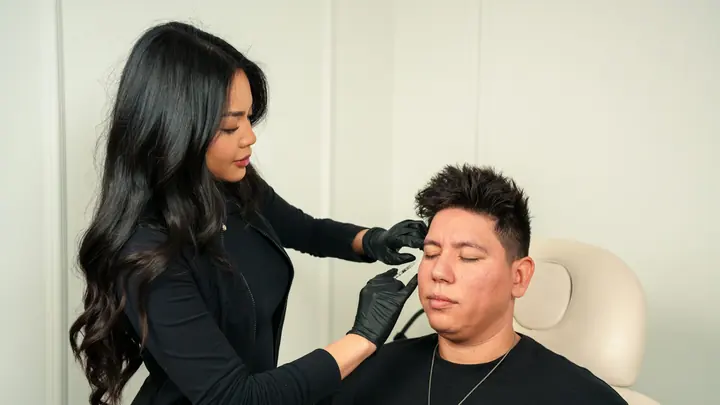
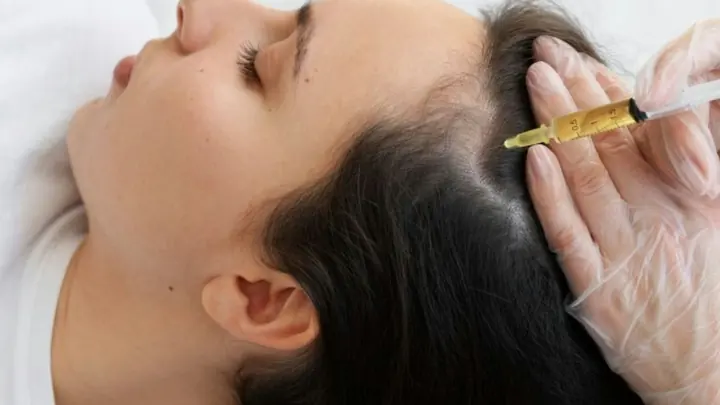
Can platelet-rich plasma help hair loss or skin texture? An honest look at the evidence, who it does not suit, and what a session and aftercare involve.
Read article
Pores are natural openings that release the oil that protects the skin, and they cannot be closed or removed permanently, whatever adverts promise. They look larger when filled with oil and dead cells, which is how blackheads form. The good news is that cleaning pores regularly with well-studied ingredients, along with treatments such as chemical peels and HydraFacial, makes them less noticeable and clearly reduces blackheads, as long as you keep it up.
Pore size is mainly set by genetics and skin type. People with oily skin have larger oil glands and more visible pores, especially on the nose, forehead and cheeks. Heat and humidity increase oil production, making pores look larger.
With age and accumulated sun damage, the collagen that supports pore walls declines and the openings widen. Repeatedly squeezing spots and blackheads can also stretch pores and leave them larger.
A blackhead is a pore clogged with a mix of oil and dead cells. Its dark colour does not come from dirt, as many believe, but from this mix oxidising when exposed to air. It is a form of mild acne.
The small grey dots spread evenly across the nose are usually sebaceous filaments, a normal part of the pore that lines it and helps oil flow out. They come back within days however often you squeeze them, so the aim is to make them less visible, not to remove them.
Squeezing with fingers or metal tools at home can push pore contents deeper into the skin, causing inflammation and spots, and leave dark marks that are hard to treat, especially in medium and darker skin. Repeated squeezing can also leave small scars.
Nose strips only remove the top layer temporarily; pores refill within days, and the strips can irritate sensitive skin. Ingredients that gradually dissolve the blockage from within work better.
Start with one active ingredient and add another after a few weeks if needed, so you know what suits your skin:
These ingredients need 6 to 12 weeks of regular use. If you are pregnant or breastfeeding, check with your doctor before using retinoids or exfoliating acids.
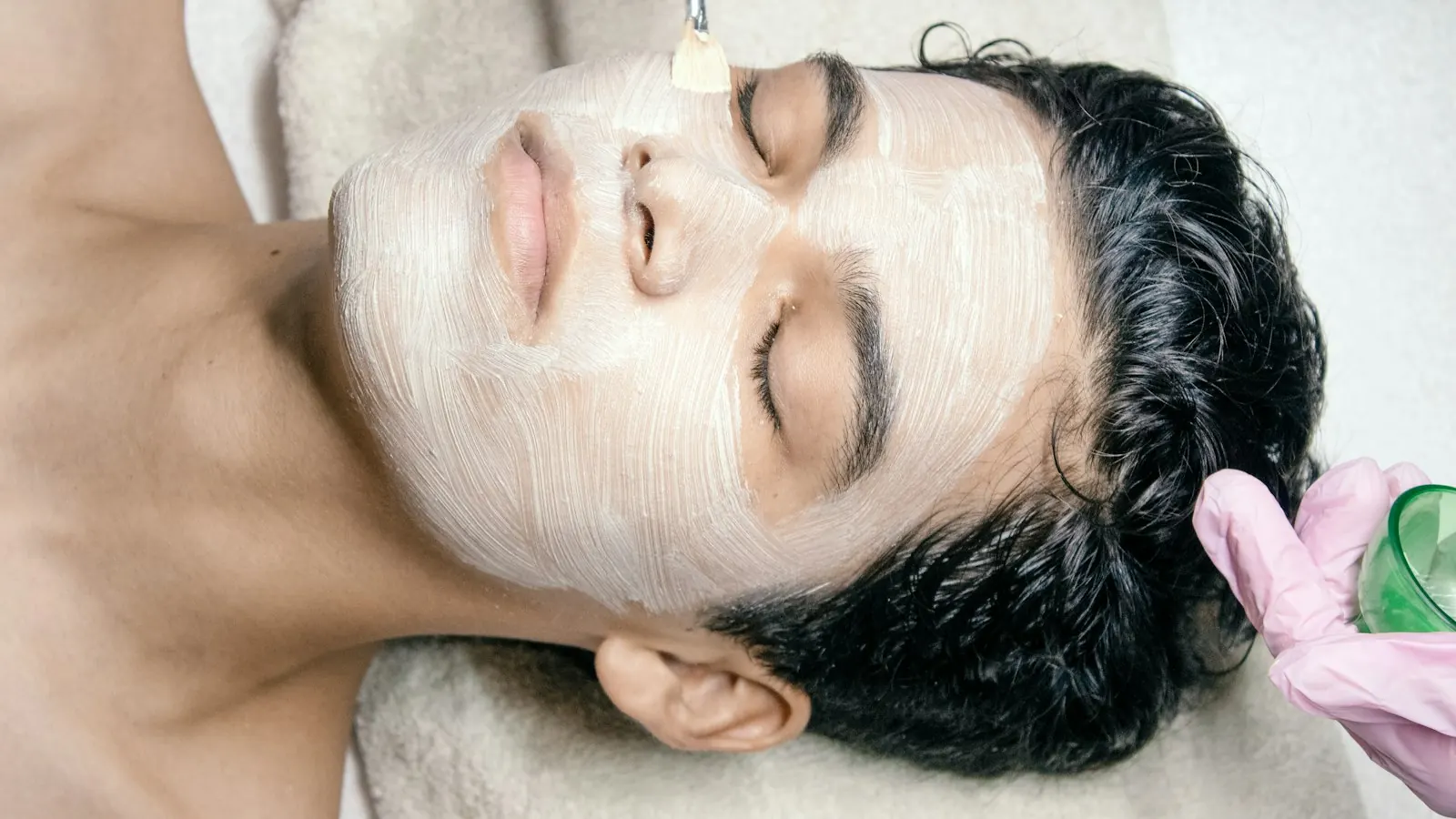
When a home routine is not enough, or you want a faster result before an occasion, there are medically supervised treatments, and the doctor chooses the right one for your skin type:
With all these treatments, the result is an improvement in appearance, not a permanent closing of pores, and it needs an ongoing home routine to last.
No, pores do not open and close like doors. Cold water may reduce redness briefly, but it does not change pore size.
It depends on your skin; a session about every 4 to 6 weeks is often suggested to maintain results, and your doctor will advise what suits you.
Harsh scrubs can irritate the skin and cause tiny scratches without reaching inside the pores. Gentle chemical exfoliants such as salicylic acid work better for this.
No, they may look more obvious with age because of collagen loss and accumulated sun damage. That is why daily sunscreen and retinoids chosen with your doctor are among the best ways to keep them looking better over time.
See a dermatologist if blackheads have not improved after 2 to 3 months of a regular routine, if they come with inflamed or painful spots, if they leave dark marks or scars, or if large pores bother you and you want to know which treatments suit your skin. You can book a consultation at Medical Care Clinics in Al-Shati Al-Gharbi, Dammam, close to Al-Khobar and Dhahran, where our dermatology team will assess your skin and suggest the right routine or treatment.
This article is general health education and does not replace a medical examination. Every case needs its own assessment by a doctor.
Can platelet-rich plasma help hair loss or skin texture? An honest look at the evidence, who it does not suit, and what a session and aftercare involve.
Read articleWhy does beard hair need more sessions, and can laser help razor bumps on the neck? A guide for men on areas, sessions, preparation and side effects.
Read articleSummer humidity in the Eastern Province leaves skin shiny and sweaty, then air-conditioning dries it indoors. Here is a simple, light-layered routine that suits this changeable climate.
Read article