Recurring Mouth Ulcers: Causes, Relief and When to Worry
Most mouth ulcers are the simple kind known as aphthous ulcers. They are painful but not contagious, and usually heal on their own within one to two weeks. Recurring ulcers are common in some people and can be linked to stress, minor injuries or low levels of certain nutrients. An ulcer that does not heal within two weeks, or one that is painless and feels firm, needs to be checked without delay.
4 min read · Last updated
Photo: Unsplash
What types of mouth ulcers are there?
Aphthous ulcers usually appear inside the lips or cheeks or under the tongue. They are white or yellow in the centre with a red halo. There are three main forms:
Minor ulcers: the most common, smaller than a centimetre, healing within one to two weeks without a scar.
Major ulcers: larger, deeper and more painful; they can last weeks, may scar when they heal, and need medical assessment.
Clusters of tiny ulcers: many pinpoint sores that may merge together; these are less common.
Why do ulcers keep coming back?
The exact cause of aphthous ulcers is not fully understood, but several known factors trigger them or make them recur:
Minor injuries: biting your cheek, a hard toothbrush, a sharp broken tooth, a brace wire or an ill-fitting denture.
Stress and lack of sleep, which are common among students at exam time and people working shifts.
Hormonal changes, such as around the menstrual period in some women.
Low iron, vitamin B12 or folic acid.
Certain foods in some people, such as very acidic or spicy food.
Less common general conditions, such as coeliac disease, inflammatory bowel disease and Behcet's disease, which causes recurrent mouth ulcers with other symptoms.
Is a mouth ulcer the same as a cold sore?
No. A cold sore is caused by a virus and usually appears on the outer edge of the lip as small fluid-filled blisters that burst and crust, often after tingling or burning. It is contagious, especially while blisters are present, so avoid kissing and sharing cups or towels during an outbreak.
Aphthous ulcers appear inside the mouth on the soft tissues and are not contagious. In children, mouth sores with fever and a rash on the hands and feet can be caused by a common viral infection, and the child should be assessed by a paediatrician.
How can you ease the pain?
There is no treatment that stops aphthous ulcers for good, but these steps ease the pain and help healing:
Use a soft brush and brush gently around the ulcer without stopping cleaning your teeth.
Rinse with warm salt water several times a day.
Avoid spicy, acidic, very salty and crunchy food until it heals.
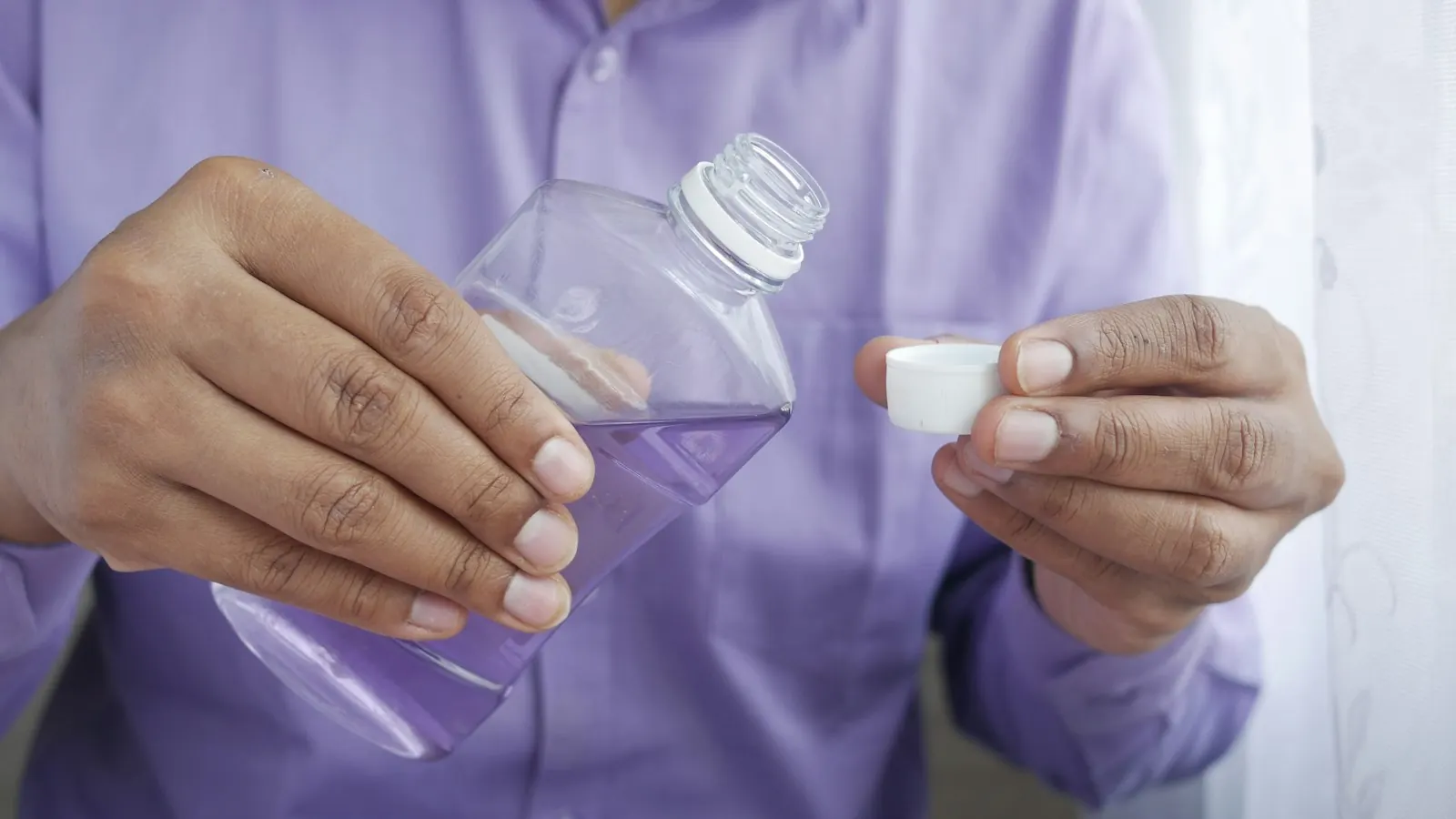
A pain-relieving or protective gel or mouthwash from the pharmacy can help; ask the pharmacist and check age instructions for children.
If ulcers recur often or are severe, your doctor may prescribe a topical treatment and request tests to find the cause.
When is an ulcer a warning sign?
Most ulcers are harmless, but mouth cancer can sometimes start as an ulcer that does not heal, and finding it early makes a big difference. The risk is higher with smoking, chewing tobacco and shammah. So do not ignore an ulcer if:
It lasts more than two weeks without clear improvement.
It is painless, or its edges are firm or raised.
It comes with a white or red patch that does not wipe off.
It comes with numbness, difficulty swallowing or speaking, or a lump in the neck.
Ulcers keep recurring with fever, tiredness, weight loss or sores elsewhere on the body.
Frequently asked questions
Are mouth ulcers contagious?
Aphthous ulcers are not contagious. Cold sores on the edge of the lip are, especially while blisters are present.
Can vitamin deficiency cause mouth ulcers?
Low iron, vitamin B12 or folic acid can be linked to recurring ulcers in some people. Do not take supplements at random; ask for a blood test to confirm a deficiency first.
Can toothpaste cause ulcers?
Some people find they get fewer ulcers with a toothpaste free of sodium lauryl sulphate (SLS). It is safe to try, though it does not help everyone equally.
My child has mouth sores with a fever. What should I do?
Mouth sores with fever in children are usually caused by a viral infection. Make sure your child keeps drinking, and see a paediatrician, especially if they refuse fluids or pass less urine.
When to see a doctor
See a dentist or doctor if an ulcer lasts more than two weeks, is very large or very painful, keeps recurring, is painless and firm, or comes with a white or red patch or a lump in the neck, especially if you smoke or use shammah. A routine dental check-up includes an examination of all the soft tissues of the mouth. You can book an appointment at Medical Care Clinics in Al-Shati Al-Gharbi, Dammam, close to Al-Khobar and Dhahran, where our dental team will examine the ulcer and guide you to the right next step.
A crown is a cap that covers the whole tooth to protect it and restore its shape. Learn how zirconia, E.max and porcelain-fused-to-metal differ, and where each fits in the mouth.
If your teeth look longer than before or have become sensitive to cold, your gums may be receding. Learn the causes, the treatments and how to stop recession progressing.
Teeth can move at any age as long as the gums and bone are healthy. Learn what differs in adult orthodontics, the checks needed before starting, and how treatment fits into daily life.