PRP for Hair and Skin: Does It Work, and Who Is It For?
Can platelet-rich plasma help hair loss or skin texture? An honest look at the evidence, who it does not suit, and what a session and aftercare involve.
Read article
Microneedling uses a device with very fine needles to create tiny, controlled punctures in the skin, which responds by producing new collagen and elastic fibres. It is most suitable for people who want to improve depressed acne scars, skin texture, visible pores and fine lines. Results build gradually, usually over several sessions, and vary from person to person.
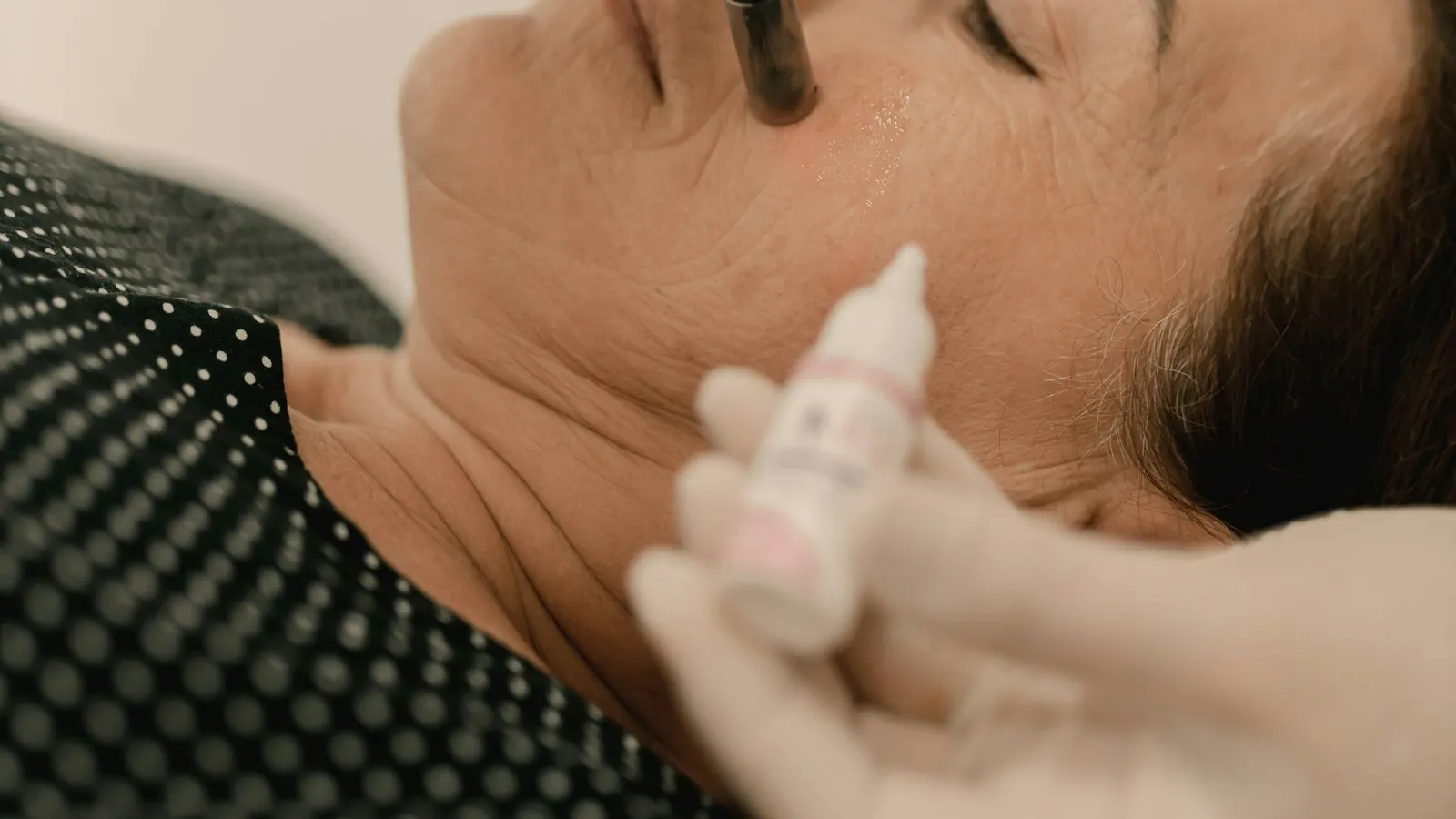
The technique is also called collagen induction therapy. The microscopic wounds created by the needles trigger the skin's natural healing process, which gradually rebuilds its layers over the following weeks and months. Because most of the skin surface stays intact, recovery is faster than with many deep resurfacing procedures.
Your doctor may combine microneedling with other techniques, such as platelet-rich plasma (PRP) or radiofrequency microneedling, which adds heat for deeper stimulation, depending on your skin and goals.
It is mostly used for the following concerns, and your doctor will decide after examining you whether it is the best option or whether something else would suit you better:
One advantage is that it is generally suitable for different skin types, including the medium and darker skin tones common in our region, because the risk of pigmentation afterwards is lower than with some lasers, although it is still possible and sun care matters.
Treatment is not done on inflamed or infected skin. Some patients need a specific assessment or should wait:
The skin is cleansed and a numbing cream is applied well before treatment, then the doctor passes the device over the chosen areas at a depth suited to each one. A session usually takes 30 to 60 minutes including numbing time. You may feel prickling or mild heat.
Afterwards the skin looks red, like a mild sunburn, usually for 1 to 3 days, sometimes with slight swelling followed by dryness and light flaking. Most people need 3 to 6 sessions about 4 to 6 weeks apart, and results improve gradually over the following months as collagen forms.
Care in the first days reduces irritation and protects your result. Always follow your doctor's instructions:
Home rollers with short needles are widely sold, but they are not equivalent to a medical session. They are hard to sterilise at home, and repeated use blunts the needles so they tear the skin rather than puncture it cleanly, which can lead to infection, pigmentation or scarring.
Applying products not intended for this use onto punctured skin can also cause severe irritation or allergic reactions. Do not use them on active acne, never share them, and ideally ask a dermatologist before trying one.
Your doctor applies a numbing cream, so most people feel prickling or tolerable discomfort. Sensitivity varies with the area and the depth used.
Some people notice a fresher look within one or two weeks, while improvement in scars and texture appears gradually over several sessions and continues for months after the last one.
Ideally at least two weeks before, so redness and flaking settle and the skin calms down.
A HydraFacial is a deep cleanse and hydration with no wounds and almost no recovery, while microneedling stimulates skin rebuilding to target scars and texture, with a short period of redness.
See your doctor if redness or swelling lasts more than a week, or if you notice pus, increasing pain, warmth in the skin, painful blisters that look like cold sores, or new dark patches after treatment. If you are considering microneedling for scars or uneven texture, you can book a consultation at Medical Care Clinics in Al-Shati Al-Gharbi, Dammam, close to Al-Khobar and Dhahran, where our dermatology and aesthetics team will assess your skin and suggest the number of sessions and the right plan.
This article is general health education and does not replace a medical examination. Every case needs its own assessment by a doctor.
Can platelet-rich plasma help hair loss or skin texture? An honest look at the evidence, who it does not suit, and what a session and aftercare involve.
Read articleWhy does beard hair need more sessions, and can laser help razor bumps on the neck? A guide for men on areas, sessions, preparation and side effects.
Read articleSummer humidity in the Eastern Province leaves skin shiny and sweaty, then air-conditioning dries it indoors. Here is a simple, light-layered routine that suits this changeable climate.
Read article