Laser Hair Removal: How It Works and How Many Sessions
How many laser sessions will you need, and is it right for your skin? A practical guide to preparation, aftercare, side effects and when to wait.
Read article
HydraFacial is a skin treatment that combines deep cleansing, gentle exfoliation, extraction of impurities from pores and hydration, using a dedicated device in one session that usually takes 30 to 60 minutes. It suits most skin types and usually needs no downtime. Its results, however, are mainly temporary freshness and hydration; it is not a treatment for scars or deep pigmentation.
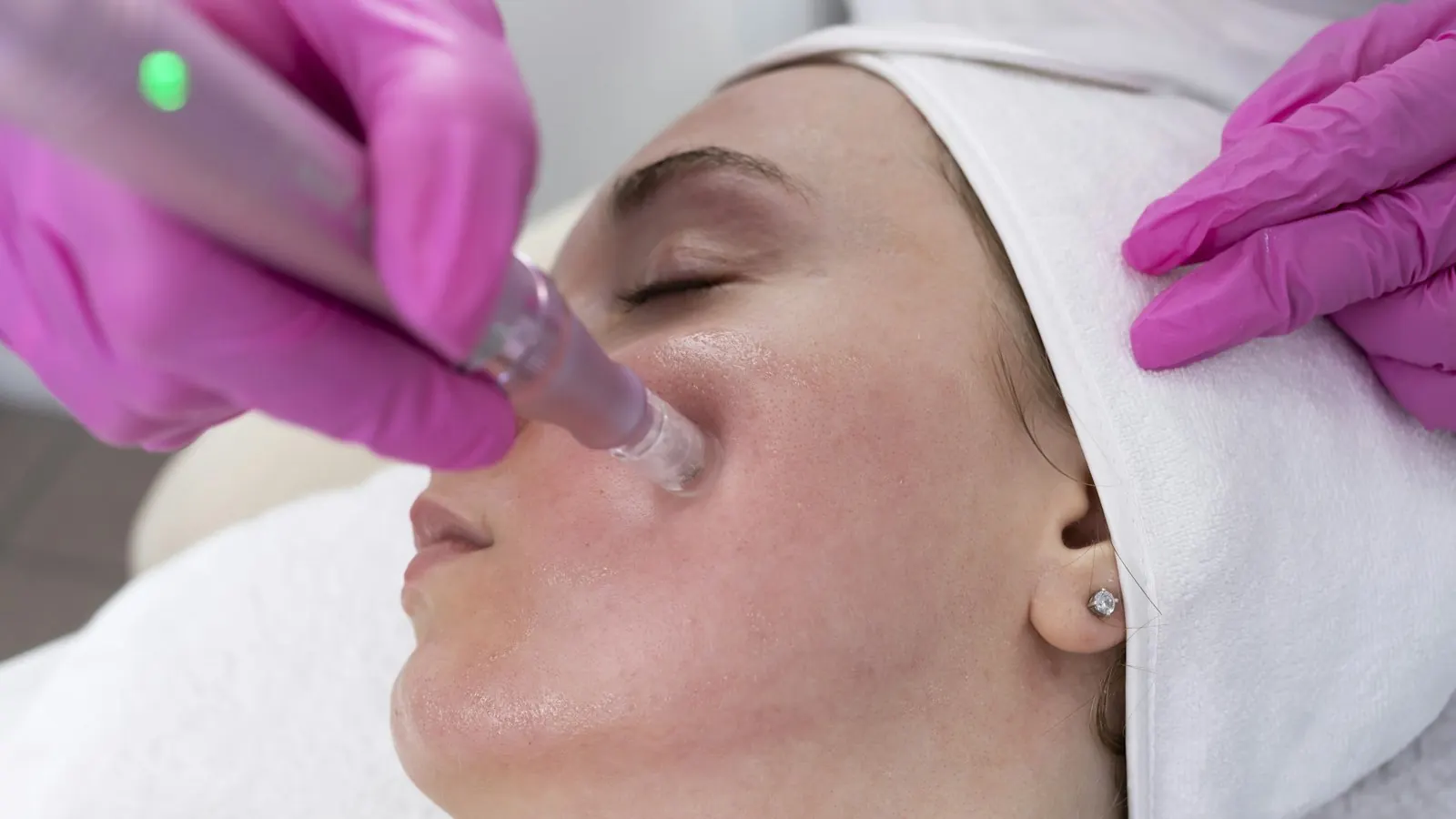
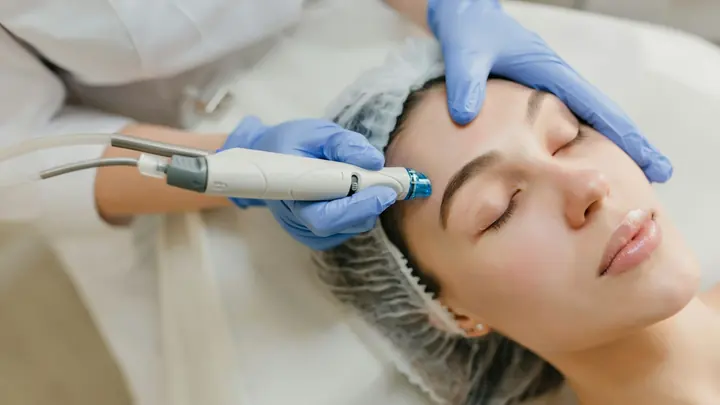
HydraFacial uses a handpiece that glides over the skin, delivering special solutions while applying suction at the same time. It cleans pores and removes dead cells, then infuses hydrating and nourishing ingredients. The solutions used vary according to skin type and needs.
It is not surgical and does not use needles. It usually feels like a light massage with a suction sensation, though tolerance varies from person to person. It is popular in our climate because heat, dust and sweat add to clogged pores, while long hours in air-conditioning leave the skin dry and dull.
A session usually follows several stages, which the practitioner may adjust to your skin:
HydraFacial suits many people, especially:
People with sunken scars, obvious melasma or active moderate to severe acne may need a different treatment chosen by a dermatologist, with HydraFacial as a supporting part of the plan only. That is why a good assessment starts with what your skin actually needs, not what is trending.
Many people notice cleaner, smoother and brighter skin after a session, usually with no downtime, though mild redness may appear and fade within hours. These results are temporary, typically lasting from several days to a few weeks, and vary between people.
To maintain results, sessions are usually repeated about every 4 weeks, or as your practitioner advises. Before an occasion, it is best to have the session a few days ahead rather than on the day itself, in case of redness or irritation.
HydraFacial can be combined with other treatments, such as chemical peels or topical treatments, within a plan set by your doctor, leaving a suitable gap between procedures.
Although HydraFacial is usually gentle, there are situations where it is better to wait or check with a doctor first:
After a session the skin is more sensitive for a day or two, so if you have outdoor work or a beach trip, choose a date that lets your skin settle first, and tell your practitioner if you have a history of pigmentation after procedures so they can choose gentler solutions and suction.
Most people describe it as comfortable, like a massage with a suction sensation, though sensitive skin may feel mild tingling at some stages. Tell your practitioner if you feel discomfort so the suction can be adjusted.
It is usually advised to wait about a day to let the skin settle, especially if there is redness. Follow your practitioner's instructions, as they may vary with your skin type.
It can help clear pores and improve how the skin looks, but it is not enough on its own for moderate or severe acne or for melasma. These conditions need a treatment plan from a dermatologist.
It generally suits most skin tones because it is gentle and does not rely on heat, but sensitive skin may need milder solutions and lower suction. For very sensitive skin or rosacea, it is wise to check with a doctor first.
See a dermatologist before a session if you have many inflamed spots, eczema or rosacea, use prescription skin medicines, or are pregnant, and afterwards if redness or irritation lasts more than two days or you notice blisters or swelling. You can book a consultation at Medical Care Clinics in Dammam, where our dermatology team will assess your skin and advise whether HydraFacial suits you or another treatment would be better.
This article is general health education and does not replace a medical examination. Every case needs its own assessment by a doctor.
How many laser sessions will you need, and is it right for your skin? A practical guide to preparation, aftercare, side effects and when to wait.
Read articleBotox relaxes muscles while filler restores volume. Learn how they differ, how long each lasts and how to choose the right doctor.
Read articleAcne is treatable, but the right treatment differs between mild, moderate and severe acne. Learn the options and when a doctor is needed.
Read article