PRP for Hair and Skin: Does It Work, and Who Is It For?
Can platelet-rich plasma help hair loss or skin texture? An honest look at the evidence, who it does not suit, and what a session and aftercare involve.
Read article
Fractional laser delivers very fine columns of laser energy into the skin, treating a small part of its surface in each session and leaving the surrounding skin intact to help it heal quickly. It is used to improve acne scars, fine lines, skin texture and sun damage. Recovery ranges from a few days to about two weeks, depending on the type and strength of the device.
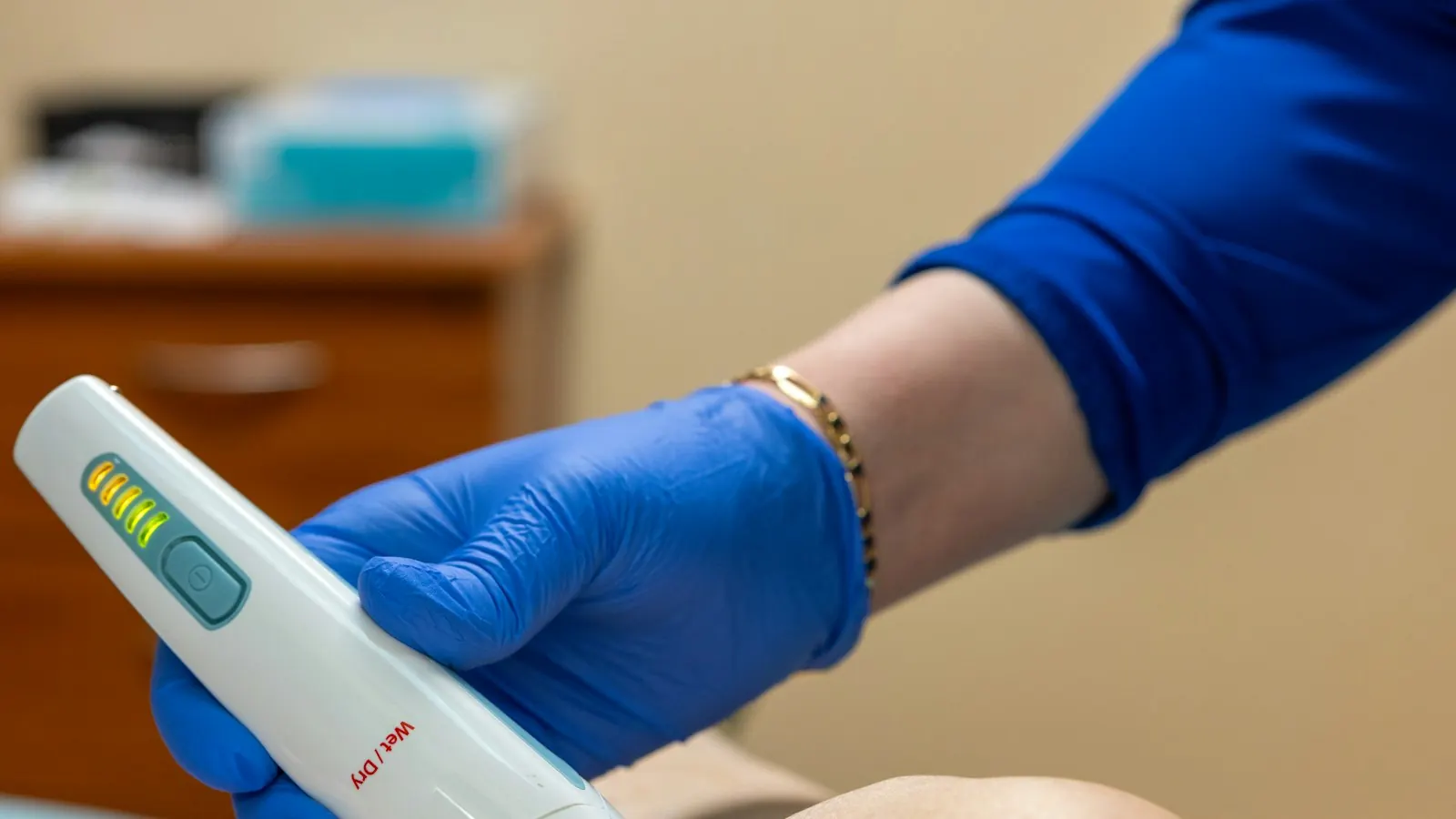
Doctors divide fractional lasers into two main types, and the choice depends on your concern, your skin type and how much downtime you can accept:
Deeper treatment usually gives a more visible result per session, but recovery is longer and the risks are higher, which is why no single type suits everyone.
Fractional laser stimulates new collagen and renews the surface layer of the skin, which helps with concerns such as:
Melasma and stubborn pigmentation need special caution, because heat can make them worse in some patients, so your doctor will decide whether laser is suitable or whether a safer treatment exists.
Medium and darker skin can be treated with fractional laser, but it is more prone to post-inflammatory hyperpigmentation, meaning temporary dark patches after treatment. Your doctor therefore chooses the device and settings carefully, may start with lower energy and more sessions, and may prescribe skin preparation for some weeks beforehand.
Tell your doctor if you tend to develop pigmentation or keloids, have taken isotretinoin recently, or get frequent cold sores, as you may be prescribed a preventive medicine before treatment. Laser is usually postponed during pregnancy.
After non-ablative laser, redness and mild swelling like a sunburn last 1 to 3 days, then the skin may look slightly darker and flake lightly for several days. Most patients need 3 to 5 sessions about 4 weeks apart.
After ablative laser there may be oozing and light crusting that need daily care as instructed by your doctor; visible recovery usually takes 5 to 10 days, and mild pink redness can last for weeks. With both types, results improve gradually over 3 to 6 months as collagen forms, not in the first week.
The sun in the Eastern Province is strong for most of the year, and skin is very sensitive to it after laser; early exposure can cause pigmentation. That is why many patients and doctors prefer deeper laser sessions in the cooler months, when long outdoor activities are fewer.
If you have treatment in summer, plan at least two weeks afterwards without long outings on the Corniche or at the beach, and do not book it right before a sunny holiday. Use a broad-spectrum sunscreen every day, reapply it when outdoors, and wear a wide-brimmed hat.
A numbing cream is usually applied, and most people feel tolerable heat and prickling. Deeper ablative treatment may need additional anaesthesia, as decided by your doctor.
It clearly improves their appearance in many patients, but it cannot promise complete removal; improvement depends on the type and depth of the scars and the number of sessions.
Most people return the next day after non-ablative laser with mild redness, while ablative laser may need about a week away from occasions and meetings.
It is best to wait until your doctor allows it, usually a few days after non-ablative laser and only once the skin has fully healed after ablative laser.
Contact your doctor if, after treatment, pain increases instead of easing, or you notice pus, severe swelling, warmth, small painful blisters, or dark patches lasting more than a few weeks, as all of these need early assessment. If you are considering fractional laser for scars or skin renewal, you can book a consultation at Medical Care Clinics in Al-Shati Al-Gharbi, Dammam, close to Al-Khobar and Dhahran, where our dermatology team will examine your skin and choose the device and timing that suit you.
This article is general health education and does not replace a medical examination. Every case needs its own assessment by a doctor.
Can platelet-rich plasma help hair loss or skin texture? An honest look at the evidence, who it does not suit, and what a session and aftercare involve.
Read articleWhy does beard hair need more sessions, and can laser help razor bumps on the neck? A guide for men on areas, sessions, preparation and side effects.
Read articleSummer humidity in the Eastern Province leaves skin shiny and sweaty, then air-conditioning dries it indoors. Here is a simple, light-layered routine that suits this changeable climate.
Read article