Dates, Sweets and Tooth Decay: How to Enjoy Them Safely
Tooth decay is driven less by the amount of sugar than by how often your teeth are exposed to it through the day. Every time you eat dates or sweets, bacteria turn the sugar into acids that attack the enamel for up to about an hour. So having sweet foods with meals, then drinking water and brushing with fluoride toothpaste, is far better than moving from one sweet to another all day.
4 min read · Last updated
Photo: Unsplash
How does sugar cause decay?
A layer of bacteria called plaque lives on the teeth, and when sugars reach it, the bacteria turn them into acids. These acids draw minerals out of the enamel, gradually weakening it. Saliva then works to neutralise the acid and restore some of the minerals, especially when fluoride is present.
The trouble starts when acid attacks come again before saliva has finished its work, so the enamel loses more than it regains. First a chalky white spot appears, then a cavity that needs a filling.
Do dates cause tooth decay?
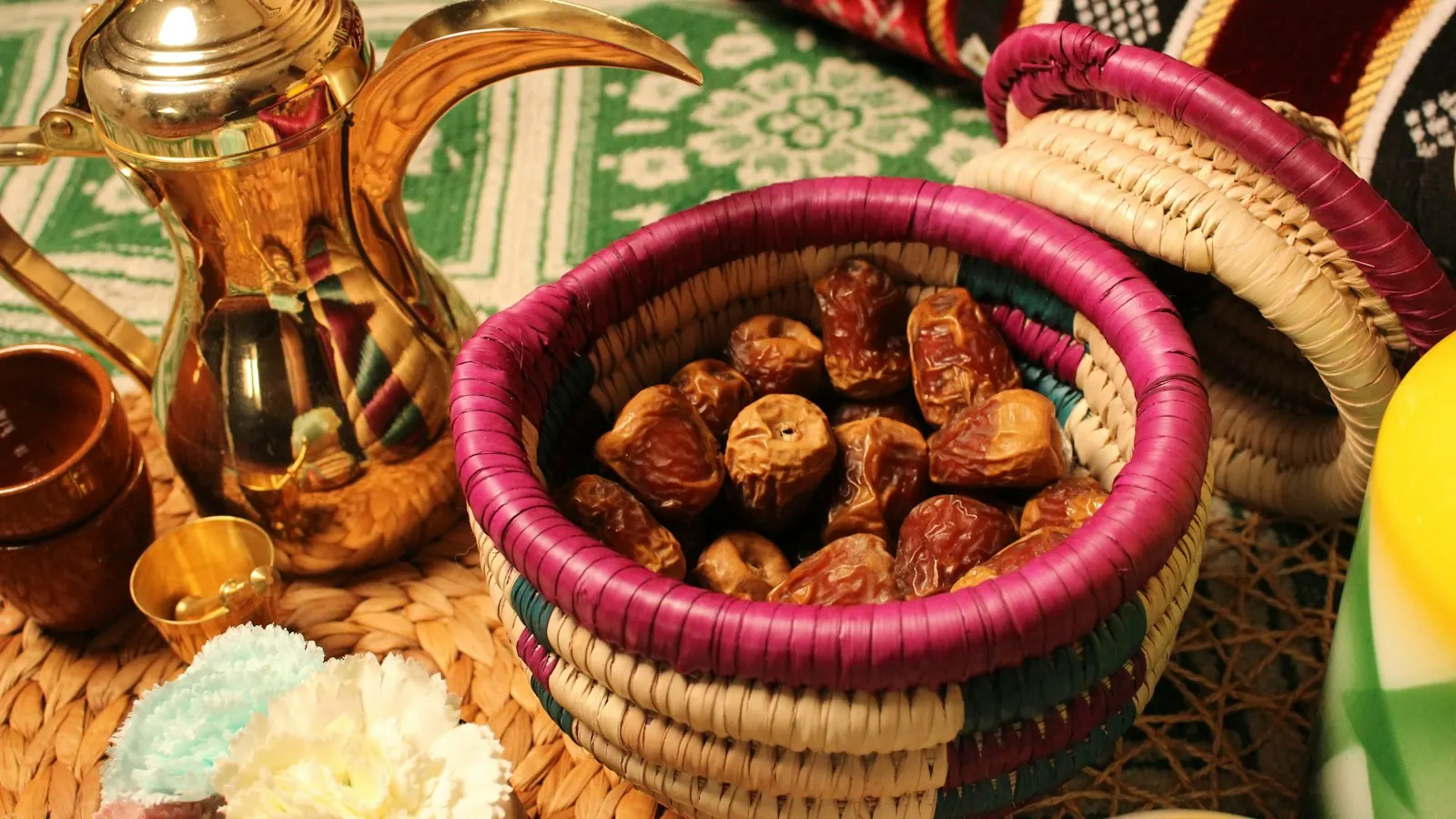
Dates are a nourishing food rich in fibre and minerals, and there is no need to give them up. But they are high in sugar and sticky, so they cling to the grooves of back teeth and between teeth and stay longer than some other sweets, especially very soft varieties.
The answer is to eat them at a set time, with coffee or after a meal, rather than one after another throughout the day, then drink or rinse with water to clear the remnants. Watch out for the stones as well, since biting down on one suddenly is a common cause of broken teeth.
When and how to eat sweets with the least harm
These simple habits protect your teeth without going without:
Have sweet foods with or straight after a meal rather than snacking between meals.
Drink or rinse with water after dates and sweets.
Cut down on sweetened drinks, packaged juices and fizzy drinks, as repeated sips are among the most harmful habits.
Chew sugar-free gum after eating to boost saliva; it suits adults and older children.
Do not eat sweets at bedtime after brushing, as saliva flow drops during sleep.
Brush twice a day with fluoride toothpaste and clean between your teeth daily.
Ramadan and Eid: the season of sweets
In Ramadan, dates and sweets are plentiful between iftar and suhoor, and eating hours are shorter, so sugar is concentrated into a few back-to-back hours. You can reduce the harm by breaking your fast with dates and then water, having sweets after the iftar meal or at one time in the evening rather than throughout the night, and brushing after iftar, before bed and after suhoor.
At Eid, weddings and other occasions, sweets and chocolate are everywhere, especially for children. Agree with your children on a set time for sweets, such as after lunch; enjoying them is fine, with a good brush in the evening.
How can I protect my children's teeth from decay?
Baby teeth have thinner enamel, so decay progresses faster in them. Children need a parent to supervise brushing until about age 7 or 8:
Use fluoride toothpaste: a smear the size of a grain of rice for children under 3, and a pea-sized amount from 3 to 6.
Do not let your child fall asleep with a bottle of milk or juice in their mouth.
Make water the usual drink between meals instead of juice.
Ask your dentist about fluoride varnish and fissure sealants for back teeth, which reduce decay.
Take your child for regular check-ups rather than waiting for them to complain of pain.
Frequently asked questions
Is the natural sugar in dates and honey less harmful to teeth?
Mouth bacteria do not distinguish much between natural and added sugar; both can cause decay. Dates do offer nutritional benefits that processed sweets do not, so what matters is timing and cleaning afterwards.
Should I brush straight after eating sweets?
You can brush after ordinary sweets, but after acidic foods and drinks such as juices and fizzy drinks it is better to wait about 30 to 60 minutes. Either way, rinsing with water straight away helps.
Are sugar-free sweets safe for teeth?
Sweeteners such as xylitol do not cause decay, but some of these products and drinks can be acidic and affect the enamel. Read the ingredients, and do not use them instead of brushing.
How do I know if I have early decay?
You may notice dull white or brown spots on your teeth, or sensitivity to sweet or cold things. Much early decay causes no pain, so it is often found by the dentist at a check-up or on an X-ray.
When to see a doctor
See a dentist if you notice white or brown spots on your teeth, sensitivity to sweet or cold things, food that keeps getting stuck in one place, or pain when chewing. For children, do not wait for pain: regular check-ups find decay early, when it is simpler to treat. People with diabetes or dry mouth benefit even more from regular follow-up. You can book an appointment at Medical Care Clinics in Al-Shati Al-Gharbi, Dammam, close to Al-Khobar and Dhahran, where our dental team will check your teeth and your children's and suggest suitable prevention.
A crown is a cap that covers the whole tooth to protect it and restore its shape. Learn how zirconia, E.max and porcelain-fused-to-metal differ, and where each fits in the mouth.
If your teeth look longer than before or have become sensitive to cold, your gums may be receding. Learn the causes, the treatments and how to stop recession progressing.
Teeth can move at any age as long as the gums and bone are healthy. Learn what differs in adult orthodontics, the checks needed before starting, and how treatment fits into daily life.