Laser Hair Removal: How It Works and How Many Sessions
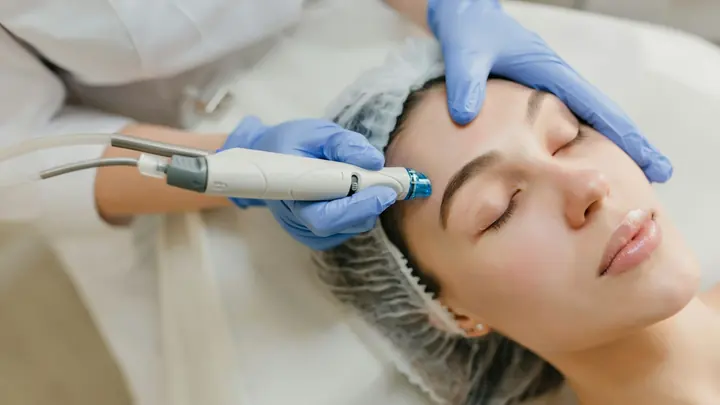
How many laser sessions will you need, and is it right for your skin? A practical guide to preparation, aftercare, side effects and when to wait.
Read article
Dark circles under the eyes are not a single condition, so no one treatment suits everyone. They can come from pigment in the skin, thin skin that lets the blood vessels show through, a hollow under the eye that casts a shadow, or a mix of these. Finding the cause is the first step to choosing what really helps and avoiding money and time spent on products that do not fit your case.

Several factors play a part, and many people have more than one. The most common are:
A few clues can be seen in a mirror in good light. A brown colour that does not change when you gently stretch the skin suggests pigmentation. A blue or purple tone that fades a little when stretched suggests thin skin and visible vessels. A shadow that softens when you tilt your face up towards the light usually points to a hollow.
These clues are only a rough guide, and many people have a mixed type. That is why a doctor examines the area before suggesting any treatment.
Daily care will not erase genetic circles or hollows, but it stops them getting worse and improves the look of the skin around the eyes:
A dermatologist chooses treatment based on the type of circles. For pigmentation, they may prescribe lightening creams, suggest a light chemical peel suited to this delicate area, or in some cases carefully selected laser sessions. These take several weeks and need daily sunscreen. Some creams are not suitable in pregnancy or breastfeeding, so tell your doctor if this applies to you.
Tear-trough hollows may improve with a small amount of hyaluronic acid filler. This is a very delicate area, so the injection should be done by an experienced doctor who knows its anatomy well, and it may not suit people with marked puffiness or under-eye fat pads. The effect in this area often lasts around a year, sometimes longer or shorter depending on the person.
Many remedies circulate on social media, and some can harm the thin skin around the eyes:
Circles caused by poor sleep or allergies often improve a lot once the cause is treated. Genetic or bone-related circles can be softened, but results vary from person to person.
In the hands of an experienced doctor after a proper assessment it is a common procedure, but it can cause bruising and swelling and, rarely, more serious complications. Choosing the right doctor and being assessed first is essential.
Dehydration makes skin look dull and brings existing circles forward, but it is not usually the main cause. Drinking water helps, but on its own it will not treat genetic circles.
Lightening creams usually need 8 to 12 weeks of regular use before you can judge them, together with daily sunscreen.
See a dermatologist if dark circles appear suddenly, affect only one eye, come with ongoing swelling, severe itching or flaking, or do not improve after several months of home care. Sometimes they can be a sign of a chronic allergy or a general health issue that needs checking. You can book a consultation with the dermatology and aesthetics department at Medical Care Clinics, where a doctor can assess your type of dark circles and suggest a plan that suits you.
This article is general health education and does not replace a medical examination. Every case needs its own assessment by a doctor.
How many laser sessions will you need, and is it right for your skin? A practical guide to preparation, aftercare, side effects and when to wait.
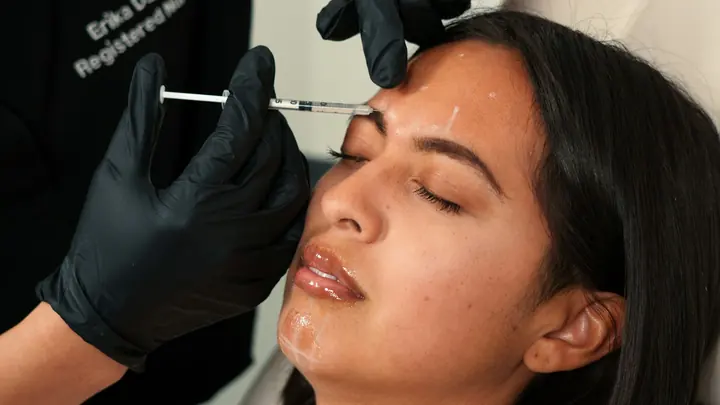
Read articleBotox relaxes muscles while filler restores volume. Learn how they differ, how long each lasts and how to choose the right doctor.
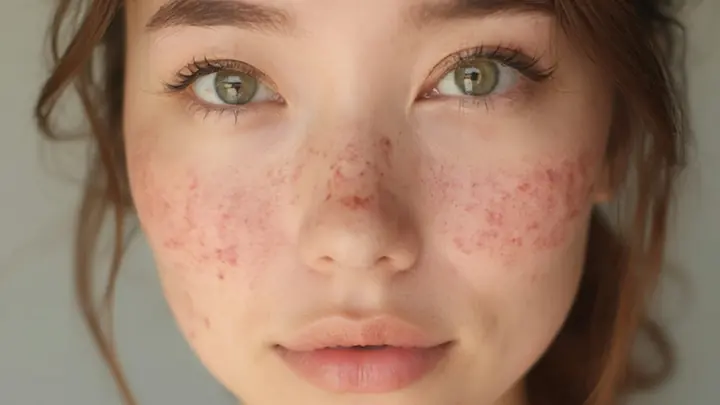
Read articleAcne is treatable, but the right treatment differs between mild, moderate and severe acne. Learn the options and when a doctor is needed.
Read article