How Often Should You Get a Dental Check-up and Cleaning?
Every 6 months is the common average, but the right interval depends on your gums and teeth. Here is what happens in the visit and how to care for your teeth afterwards.
Read article
A child's first dental visit is recommended when the first tooth appears, or by the first birthday at the latest. That may sound early, but this short visit helps catch decay at its start, teaches parents the right way to care for the teeth, and lets the child get used to the clinic before any treatment is ever needed.
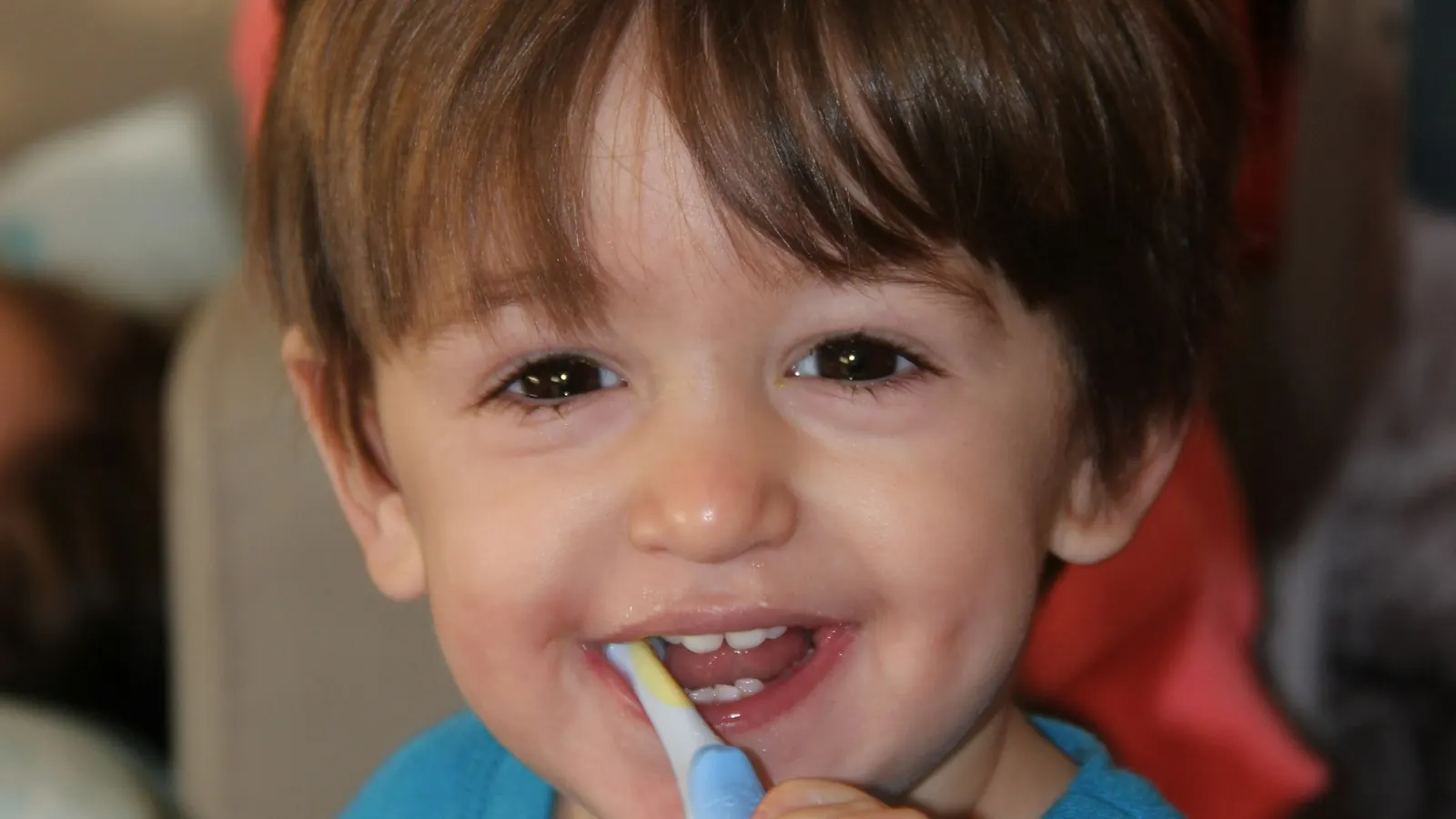
Dental associations recommend a visit within 6 months of the first tooth appearing, and no later than the first birthday. It is usually simple: the child sits on a parent's lap, the dentist gently checks the teeth and gums, assesses the risk of decay, and answers your questions about feeding, brushing and teething.
Follow-up visits are then planned according to the child's needs, usually every 6 months, and sooner for children at higher risk of decay.
Baby teeth are not as temporary as some think; some stay in the mouth until around age 10 to 12. They are essential for chewing well, speaking clearly and for the child's confidence in their smile.
They also hold space for the permanent teeth. If a baby tooth is lost early to decay, the neighbouring teeth can drift and cause crowding later. Advanced decay can also cause pain and an abscess that affect the child's sleep and eating, and sometimes the permanent tooth developing underneath.
Fluoride strengthens enamel and protects against decay; what matters is using the right amount for the child's age:
Bottle caries happens when sugary liquids such as milk and juice stay on the teeth for long periods, especially during sleep when saliva is low. It usually appears on the upper front teeth as white, then brown, spots. To prevent it:
The chewing surfaces of molars have deep grooves that are hard to clean with a brush. A fissure sealant is a thin coating placed on these surfaces to stop bacteria collecting there, usually a quick procedure with no drilling or injection. It is commonly recommended once the first permanent molars come in around age 6 and the second around age 12, and some children need it on baby molars too.
Fluoride varnish is painted on the teeth at the clinic in a few minutes, and is usually repeated every 3 to 6 months depending on the decay risk your dentist assesses.
The way you talk about the visit strongly shapes how your child feels. These simple ideas help:
Yes, when used in the right amount for their age and with a parent supervising so the child does not swallow much toothpaste. Fluoride varnish at the clinic is applied in a small, measured amount.
Crying is normal at the first visits and does not prevent a simple check on a parent's lap. Early, regular visits are what help a child gradually get used to the dentist.
Usually yes, especially if it is not due to fall out soon, because decay can cause pain and an abscess and affect the permanent tooth. The dentist decides the right treatment based on the child's age and the tooth's condition.
Teething can cause irritability, drooling and a slight rise in temperature, but it does not usually cause a high fever or severe diarrhoea. Those symptoms need a paediatrician's review.
Book your child's first visit when the first tooth appears or by the first birthday, and see a dentist sooner if you notice white or brown spots on the teeth, swelling or a bump on the gum, if your child complains of pain when eating or avoids chewing on one side, or after a fall that hurt their teeth. You can book an appointment for your child at Medical Care Clinics, where our dental team will welcome them calmly and plan prevention that suits their age with you.
This article is general health education and does not replace a medical examination. Every case needs its own assessment by a doctor.
Every 6 months is the common average, but the right interval depends on your gums and teeth. Here is what happens in the visit and how to care for your teeth afterwards.
Read articleWhitening supervised by a dentist is safe for most people when used correctly. Learn your options, what sensitivity to expect and how to keep your results.
Read articleA Hollywood smile is not one treatment but a plan to enhance the front teeth, usually with veneers. Here are the differences between the options and what to know before you decide.
Read article