Laser Hair Removal: How It Works and How Many Sessions
How many laser sessions will you need, and is it right for your skin? A practical guide to preparation, aftercare, side effects and when to wait.
Read article
A chemical peel is the controlled application of an acid solution to remove damaged outer layers of skin, so a smoother, more even-toned layer grows in their place. It can help with mild acne and its marks, some pigmentation, dull skin and fine lines. The depth of the peel and the acid used depend on your condition and skin tone, so they are chosen by a professional after examining your skin.
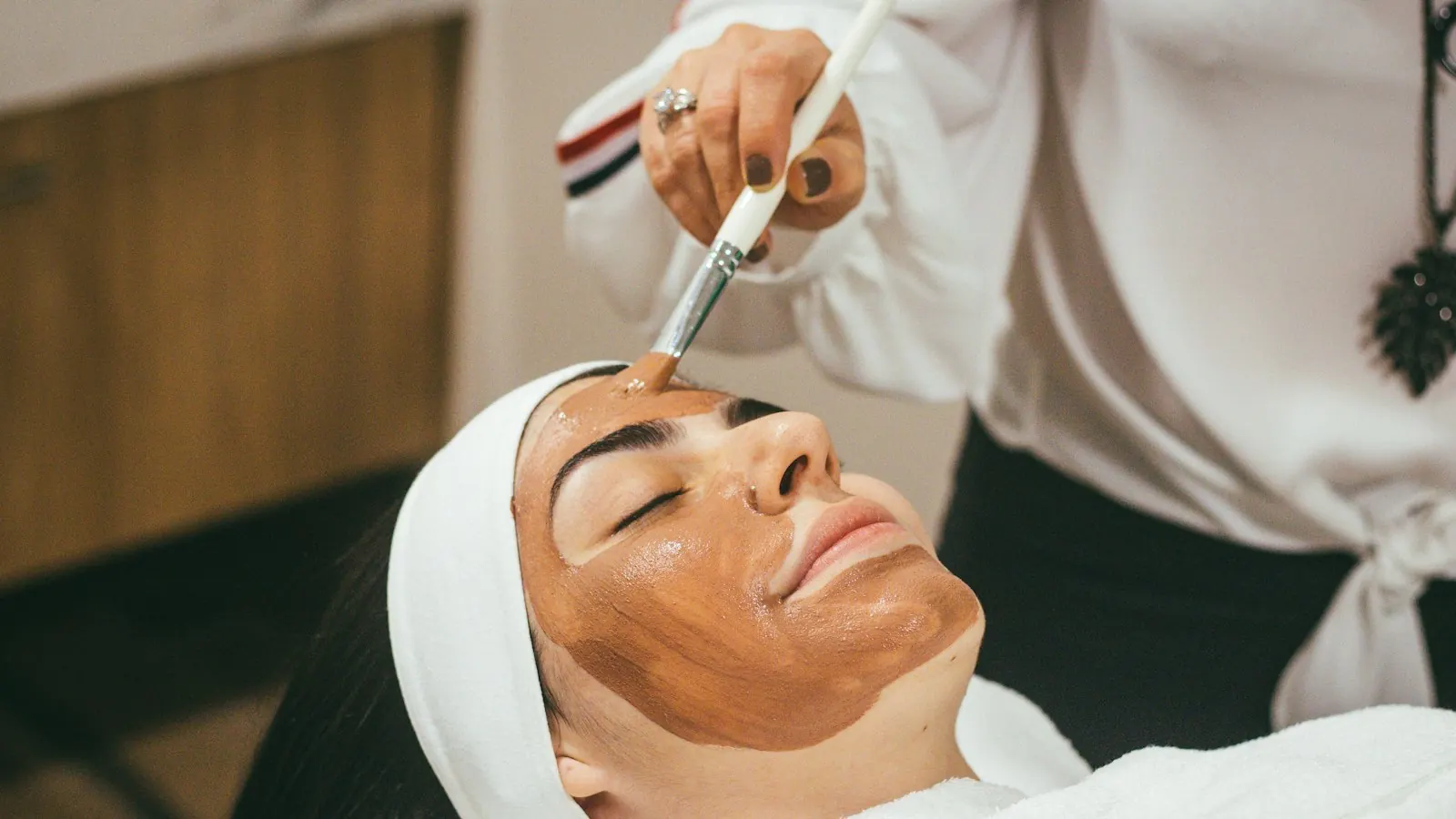
Peels are usually classified by how deeply they act in the skin. The deeper the peel, the longer the recovery and the more caution it needs:
Most clinic peels are superficial, and several sessions a few weeks apart may be needed to reach the desired result.
Different agents are used, each with properties suited to certain conditions:
Your doctor chooses the acid, its strength and how long it stays on the skin. Never try high-strength acids at home, as they can cause burns, pigmentation or scarring.
Good preparation reduces complications and improves results. Your practitioner may ask you to:
If you are planning for an occasion such as a wedding, start the series several months ahead and schedule the last session at least two weeks before the date, so peeling is complete and the skin has settled. During Ramadan, dryness may increase with less water during the day, so moisturise well if your sessions fall then.
After a superficial peel, mild redness and tightness are common, followed by light, flaky peeling for a few days. After a medium peel, redness and peeling are more noticeable and may last about a week or longer, with follow-up from your doctor.
During these days:
After a peel the skin is thinner and more sensitive to the sun, and unprotected exposure can cause new pigmentation that spoils the result. Use a broad-spectrum sunscreen with SPF 30 or higher, reapply when outdoors, and avoid strong midday sun during recovery, which matters greatly in our hot summers.
Olive and brown skin is more prone to pigmentation after inflammation, so it is best to start with a gentle superficial peel, prepare the skin well and increase strength gradually. Peels are usually postponed during pregnancy and breastfeeding, during and for a period after isotretinoin, and when there is active skin inflammation.
A superficial peel usually causes burning or stinging for a few minutes during the session, which settles quickly. A medium peel can be more uncomfortable, and the doctor takes suitable steps for your comfort.
It depends on your condition and the type of peel, but superficial peels often need a series of 3 to 6 sessions about 2 to 4 weeks apart, followed by maintenance sessions as needed.
After a superficial peel, most people return to work the same or next day with mild redness or flaking. A medium peel may need several days away from social occasions.
Usually yes, with the right acid and strength and good skin preparation, because the risk of pigmentation after a peel is higher. That is why a prior assessment by a professional is essential.
See a dermatologist before a peel if you have sensitive skin, eczema, rosacea, a history of raised scars or pigmentation after procedures, and after a session if you notice blisters, sores, severe pain, signs of infection or new dark patches. You can book a consultation at Medical Care Clinics in Dammam, where our dermatology team will assess your skin and choose a peel that suits it safely.
This article is general health education and does not replace a medical examination. Every case needs its own assessment by a doctor.
How many laser sessions will you need, and is it right for your skin? A practical guide to preparation, aftercare, side effects and when to wait.
Read articleBotox relaxes muscles while filler restores volume. Learn how they differ, how long each lasts and how to choose the right doctor.
Read articleAcne is treatable, but the right treatment differs between mild, moderate and severe acne. Learn the options and when a doctor is needed.
Read article