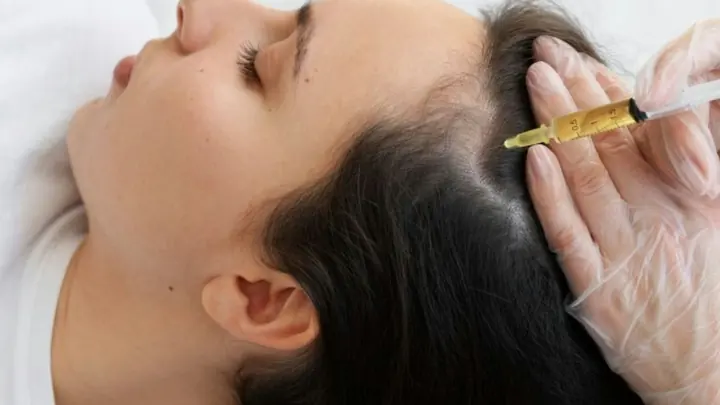
PRP for Hair and Skin: Does It Work, and Who Is It For?
Can platelet-rich plasma help hair loss or skin texture? An honest look at the evidence, who it does not suit, and what a session and aftercare involve.
Read article
After Botox injections most people go straight back to their day, with a few simple instructions for the first hours: do not rub or press the area, stay upright for a few hours, and leave strenuous exercise until the next day. The effect is not immediate; it starts within days and is complete in about two weeks. Understanding these stages saves worry and helps you judge your result at the right time.
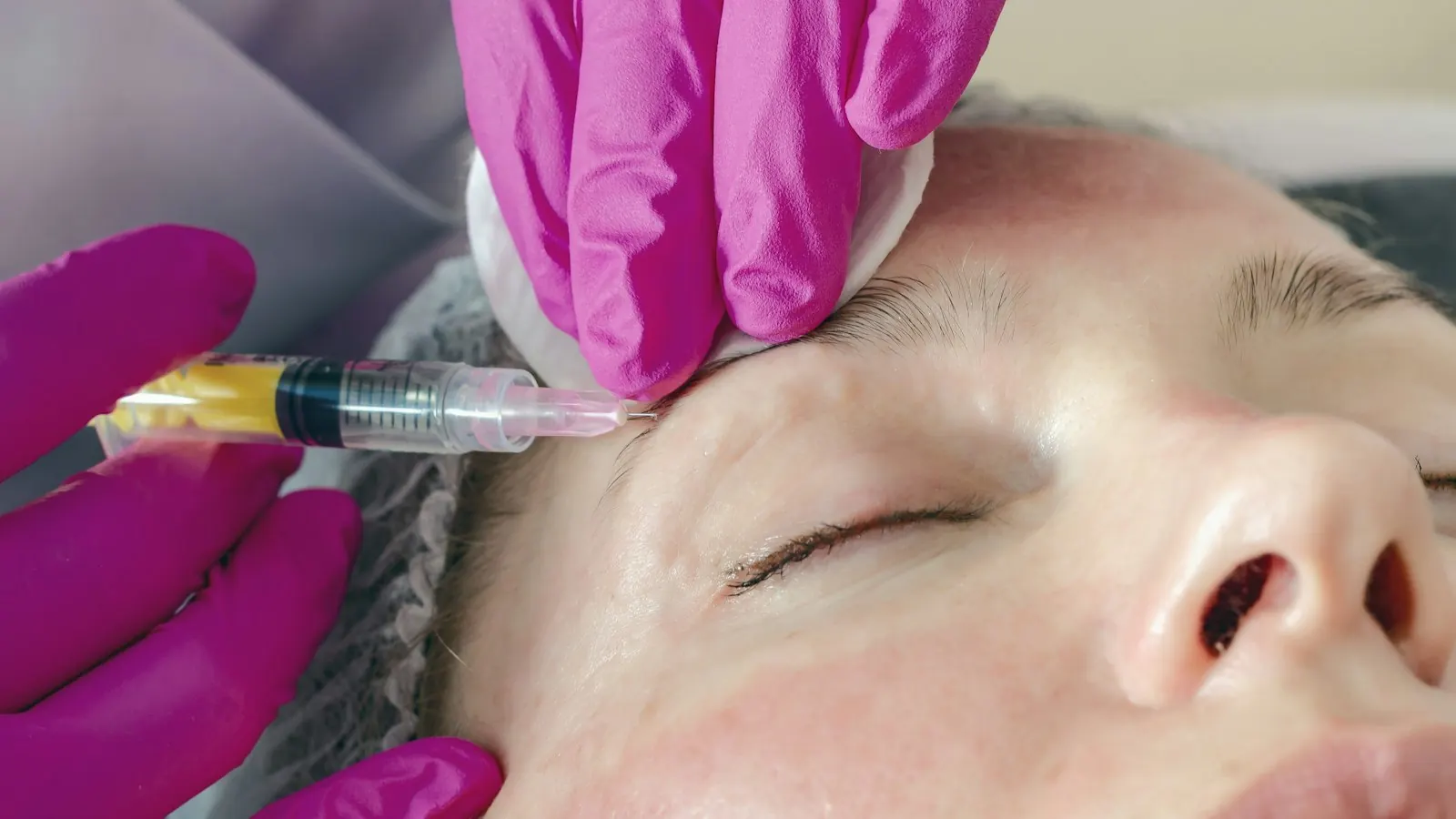
The aim of early aftercare is to keep the product in the intended muscles, so it does not spread to neighbouring ones, and to reduce bruising. Details vary slightly between doctors, so always follow your own doctor's advice. Common instructions are:
The effect usually begins after 2 to 5 days and is complete in about 10 to 14 days. So do not judge the result in the first few days; one side may seem to work faster than the other before they even out.
Many doctors arrange a follow-up visit after about two weeks to assess the result and make a small adjustment if needed. The effect usually lasts 3 to 6 months, then movement gradually returns; this varies with the person, the area and the amount used.
You may notice small red dots or slight bumps at the injection points that settle within an hour or two, and a small bruise that fades within days. Some people have a mild headache on the first day.
Occasionally a temporary droop of the eyelid or brow occurs, or the tail of the brow lifts more than expected. These are uncommon effects that improve with time, and your doctor can sometimes reduce them. To lower the risk of bruising, ask your doctor before treatment about supplements or medicines that increase bleeding, and never stop a prescribed medicine without advice.
There is a lot of inaccurate information about Botox, which makes some people afraid of it for no reason, or expect things it cannot deliver. The most common myths are:
Botox is not recommended during pregnancy or breastfeeding, or when there is inflammation or infection at the injection site. People with neuromuscular conditions, or who take certain medicines such as some antibiotics, need a specific assessment.
If you have an occasion such as a wedding or Eid, have your injections two to four weeks beforehand so the effect is complete and there is time for any adjustment.
Many doctors consider that usual, brief movements do not normally affect the result; what matters more is avoiding firm pressure, deliberate rubbing and lying down for long in the first hours. Ask your doctor about any specific precautions for the area treated.
Yes, you can wash it gently with water and a mild cleanser, without rubbing the injection sites firmly on the first day.
Flying is not usually a problem after injections, but it is best to leave time before important occasions for the effect to appear and for a follow-up visit if needed.
Usually after 3 to 6 months, when movement gradually returns. Repeating injections at very short intervals is not recommended, and your doctor will decide the right timing.
Contact your doctor if a drooping eyelid or brow persists or worsens, or if you develop severe pain, increasing swelling, or redness with warmth at the injection site. Go to the emergency department immediately if you have difficulty swallowing, breathing or speaking, general weakness, or blurred vision. If you have questions about your result or are considering Botox, you can book a consultation at Medical Care Clinics in Al-Shati Al-Gharbi, Dammam, close to Al-Khobar and Dhahran, where our dermatology and aesthetics team will assess your case and answer your questions.
This article is general health education and does not replace a medical examination. Every case needs its own assessment by a doctor.
Can platelet-rich plasma help hair loss or skin texture? An honest look at the evidence, who it does not suit, and what a session and aftercare involve.
Read articleWhy does beard hair need more sessions, and can laser help razor bumps on the neck? A guide for men on areas, sessions, preparation and side effects.
Read articleSummer humidity in the Eastern Province leaves skin shiny and sweaty, then air-conditioning dries it indoors. Here is a simple, light-layered routine that suits this changeable climate.
Read article