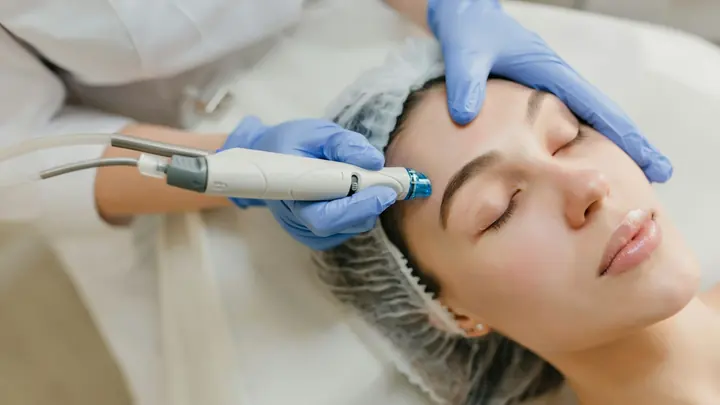
Laser Hair Removal: How It Works and How Many Sessions
How many laser sessions will you need, and is it right for your skin? A practical guide to preparation, aftercare, side effects and when to wait.
Read article
Acne scars can often be improved noticeably, but treatment depends on the type and depth of the scar, and complete removal is rare. The first step is telling a true scar, which is a change in skin texture, apart from flat dark or red marks that usually fade with time and good care. The best results usually come from combining more than one treatment over several sessions.

After inflamed spots heal, flat brown or red patches may remain. This is called post-inflammatory hyperpigmentation. These are not scars: the skin is smooth, with no dip or bump, and they fade gradually over months, especially with daily sunscreen, sometimes helped by brightening treatments chosen by your doctor.
A scar is a permanent change in skin texture caused by damage to collagen in the deeper layers during inflammation, leaving the skin sunken or raised. Scars do not disappear on their own, but they do improve with the right treatment.
Most acne scars are atrophic, meaning the skin looks sunken. Dermatologists divide them into types, and each responds better to certain treatments:
Your doctor chooses treatment based on scar type, depth and skin tone, and often combines several options:
Most of these treatments need several sessions spaced apart, and improvement appears gradually because the skin needs weeks to months to build new collagen. It is best to avoid treatments just before heavy sun exposure, such as a beach holiday, because the skin is more sensitive after a session.
The realistic goal is a clear improvement in how scars look and how the skin feels, not complete removal. The degree of improvement varies with scar type, depth and age, your skin, and how closely you follow the sessions and aftercare.
Some procedures cause redness, swelling or peeling for a few days. In brown and olive skin, common in our region, the risk of pigmentation after procedures is higher, so settings and skin preparation need experience, and your doctor may prepare the skin for several weeks before treatment.
The best scar treatment is prevention, and there is little point treating scars while acne is still active. That is why doctors usually bring breakouts under control first.
If your spots tend to leave marks quickly, or close relatives have obvious acne scars, that is a sign to treat early rather than wait for spots to clear on their own. Timely treatment can save you more sessions and a longer journey of scar treatment later.
In most cases they can be improved noticeably, but complete removal is rare. After an examination, your doctor can tell you what to expect in your particular case.
Creams can improve dark marks and surface texture, but they are usually not enough to lift sunken scars, which need procedures that stimulate collagen in the deeper layers.
It depends on the treatment and the scar type, but many people need 3 to 6 sessions spaced at intervals set by the doctor, and some need more.
Some procedures are usually postponed during this treatment and for a period afterwards set by your doctor. Always tell your doctor about every medicine you use before any procedure.
See a dermatologist if you have sunken or raised scars that bother you, dark marks that have not faded after several months despite sunscreen, acne that is still active and leaving new marks, or raised scars that are growing or itchy. You can book a consultation at Medical Care Clinics in Dammam, where our dermatology team will examine your scars and suggest a treatment plan that suits your skin and expectations.
This article is general health education and does not replace a medical examination. Every case needs its own assessment by a doctor.
How many laser sessions will you need, and is it right for your skin? A practical guide to preparation, aftercare, side effects and when to wait.
Read articleBotox relaxes muscles while filler restores volume. Learn how they differ, how long each lasts and how to choose the right doctor.
Read articleAcne is treatable, but the right treatment differs between mild, moderate and severe acne. Learn the options and when a doctor is needed.
Read article