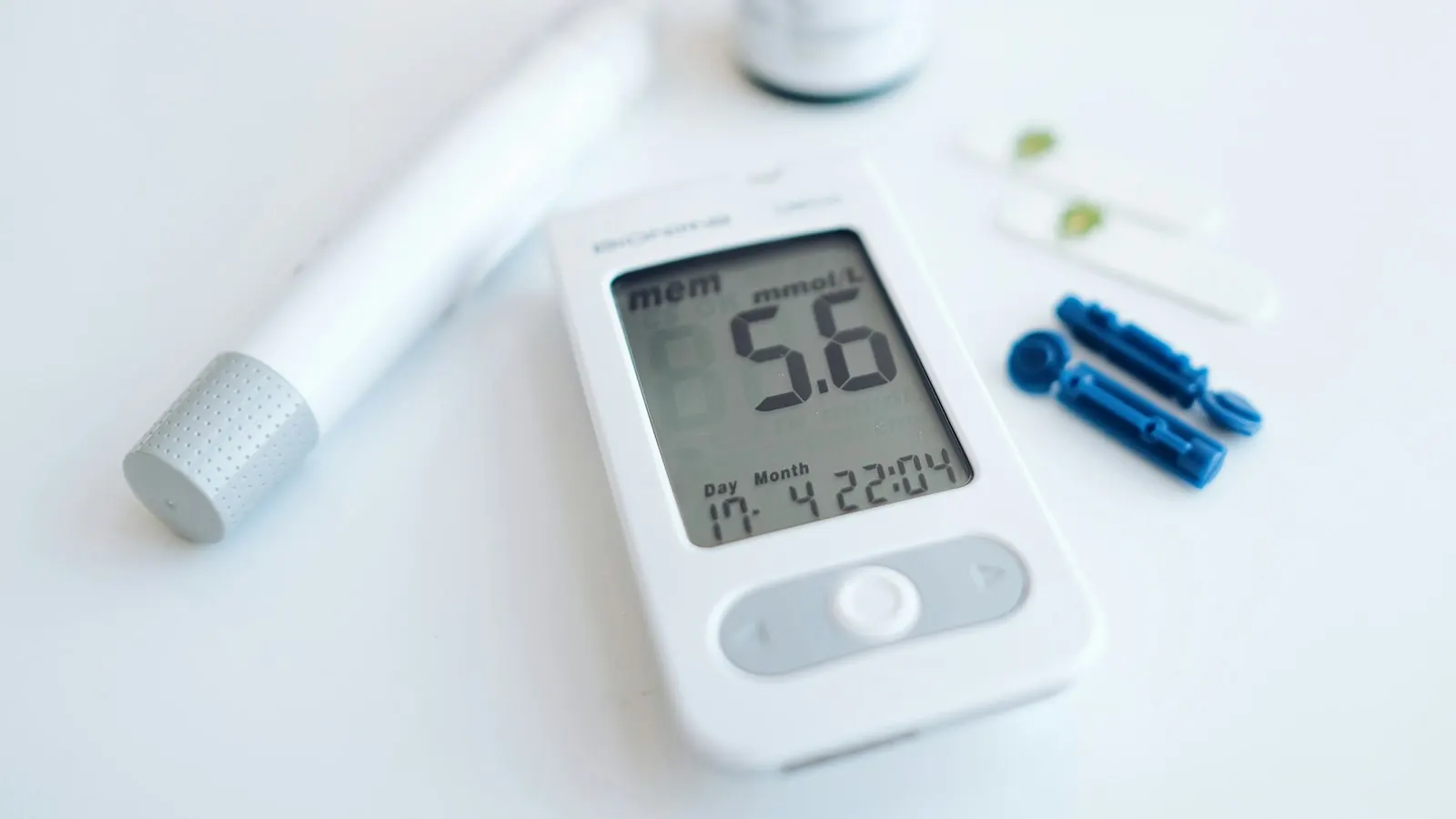
Diabetes and gum health affect each other in both directions: poorly controlled blood sugar raises the risk of gum and periodontal disease and slows healing, and severe gum disease can in turn make blood sugar harder to control. The good news is that daily oral care and regular check-ups protect your teeth, and may also help blood sugar control in some patients.
4 min read · Last updated
Photo: Unsplash
Why does diabetes affect the mouth and gums?
When blood sugar stays high for long periods, the body's defences against bacteria weaken and the small blood vessels in the gums work less well, so the gums become more prone to inflammation and slower to heal. Sugar levels in saliva may also rise, feeding the bacteria that cause decay.
Diabetes is common in Saudi Arabia, which is why dentists ask every patient about it: many people do not connect problems in their mouth with their blood sugar.
What mouth problems are most common with diabetes?
Not everyone with diabetes develops these problems, and the risk falls considerably with good sugar control and care:
Gum inflammation: redness and bleeding when brushing, which can progress to periodontitis, bone loss and loose teeth.
Dry mouth: less saliva means more decay and bad breath, and it can feel worse after long hours in air-conditioning.
Fungal infections: white patches or redness and burning in the mouth, especially with dentures.
Slower healing after extractions or gum surgery.
Changes in taste or a burning feeling on the tongue in some patients.
How does gum disease affect blood sugar?
Periodontitis is not just a local problem; it is a chronic inflammation that can raise inflammatory markers in the body and increase insulin resistance, making blood sugar harder to control.
Studies suggest that treating gum disease with deep cleaning and follow-up may lead to a modest improvement in HbA1c in some patients. This does not replace diabetes medicines or diet, but it is a useful part of an overall health plan.
What should I tell my dentist, and how do I prepare?
Telling your dentist about diabetes helps them choose the right timing and treatment for you. Keep these points in mind:
Your type of diabetes, the medicines or insulin you use and your latest HbA1c result if you have one.
Eat and take your medicines as usual before the appointment unless your doctor says otherwise, and do not come without eating unless this has been arranged.
Bring a quick source of sugar such as juice or glucose tablets, and tell the dentist straight away if you feel dizzy, sweaty or shaky.
If your sugar is very high before a surgical procedure, the dentist may postpone it or coordinate with your doctor.
Dental implants are usually possible for people with well-controlled diabetes, after careful assessment.
Diabetes and fasting in Ramadan: what about my teeth?
Whether to fast is a decision for a person with diabetes to make with their doctor, as fasting can be risky in some cases. If you fast, you may notice more dry mouth and bad breath during the day, so drink plenty of water between iftar and suhoor and brush after iftar, before bed and after suhoor.
It is best to schedule dental treatment, especially longer or surgical procedures, after iftar so you can eat and take your medicines on time and reduce the risk of low blood sugar during the visit. Do not put off treating severe pain or swelling because you are fasting.
Frequently asked questions
Can a dentist detect diabetes?
A dentist may notice signs that raise suspicion, such as severe or recurring gum disease out of proportion to your oral care, dry mouth or repeated abscesses. They will then advise you to see a doctor for a blood sugar test, as diagnosis is made by blood tests, not by examining the mouth.
Does an extraction heal more slowly with diabetes?
It may heal a little more slowly if blood sugar is poorly controlled, and much less so when it is well controlled. Follow the aftercare advice, and see your dentist if pain or swelling increases or pus appears.
How often should someone with diabetes see the dentist?
Your dentist decides based on your gum health; a visit every six months may be enough, while someone with periodontitis may need follow-up every 3 to 4 months.
When to see a doctor
See your dentist if your gums bleed when brushing, look red and swollen or are pulling back from the teeth, if a tooth feels loose, or if you have persistent bad breath, troublesome dry mouth, white patches or sores that do not heal. Seek urgent care for facial swelling, fever or severe pain, as infection can affect blood sugar. Bring a list of your medicines and your latest test results. You can book an appointment at Medical Care Clinics in Al-Shati Al-Gharbi, Dammam, close to Al-Khobar and Dhahran, where our dental team will assess your gum health and set a follow-up plan that suits you.
A crown is a cap that covers the whole tooth to protect it and restore its shape. Learn how zirconia, E.max and porcelain-fused-to-metal differ, and where each fits in the mouth.
If your teeth look longer than before or have become sensitive to cold, your gums may be receding. Learn the causes, the treatments and how to stop recession progressing.
Teeth can move at any age as long as the gums and bone are healthy. Learn what differs in adult orthodontics, the checks needed before starting, and how treatment fits into daily life.